How VR Software Makes the Pattern of Moon Phases Visible in Primary Science
Moon phases have always been one of the hardest topics in primary science — too slow, too distant, too abstract. VR software compresses an entire lunar cycle into a single 40-minute lesson, letting students see and manipulate the phases firsthand.
In primary science classrooms, the Moon Phases unit is a classic trouble spot. The reason is easy to see: the Moon is too slow, too distant, and too abstract. A complete lunar cycle takes nearly thirty days, the Moon's motion around Earth cannot be watched directly, and young students rarely manage to translate a flat textbook diagram into a three-dimensional mental picture. Too often, the lesson ends with students memorizing phase names such as crescent or half moon without understanding why the Moon changes shape at all.
VR software offers a way out of this dilemma. With a Primary Science VR learning device, a whole month of lunar phases can be squeezed into a single forty-minute science lesson.
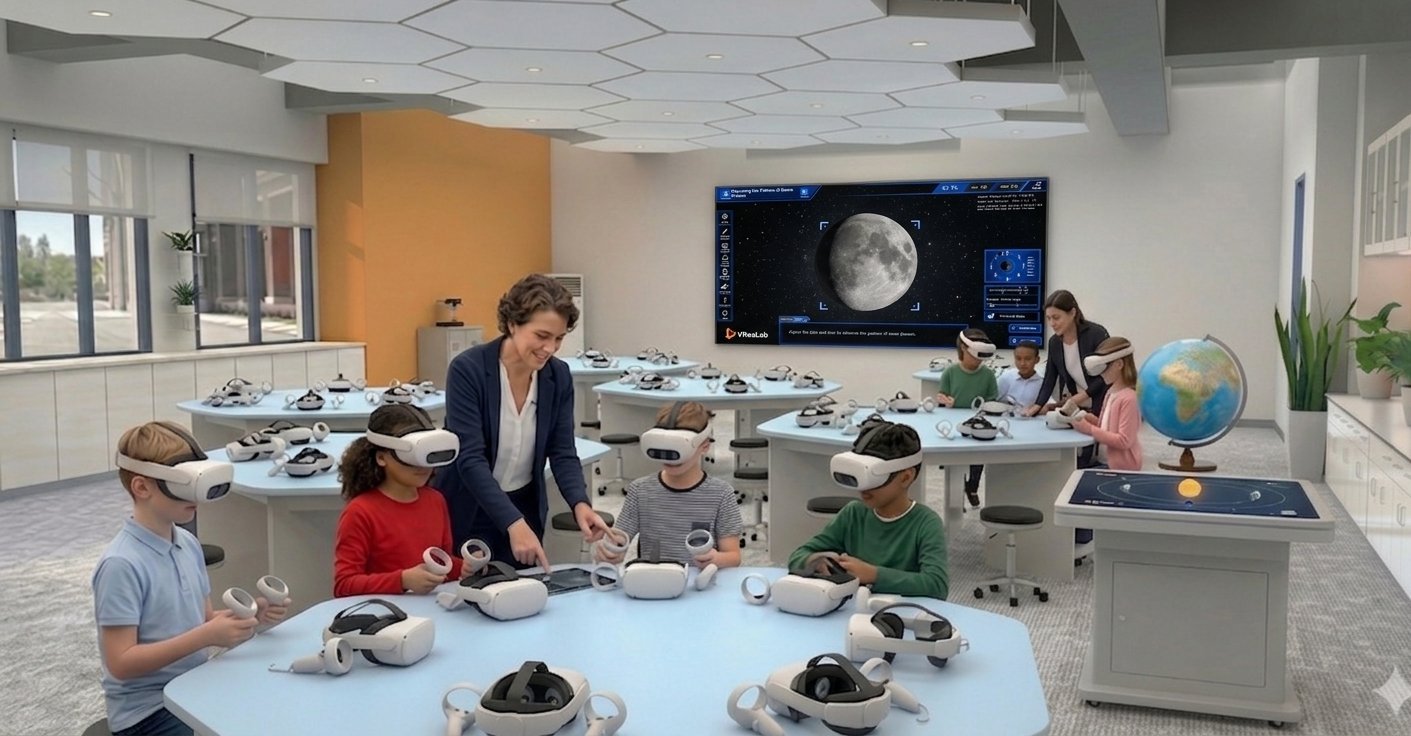
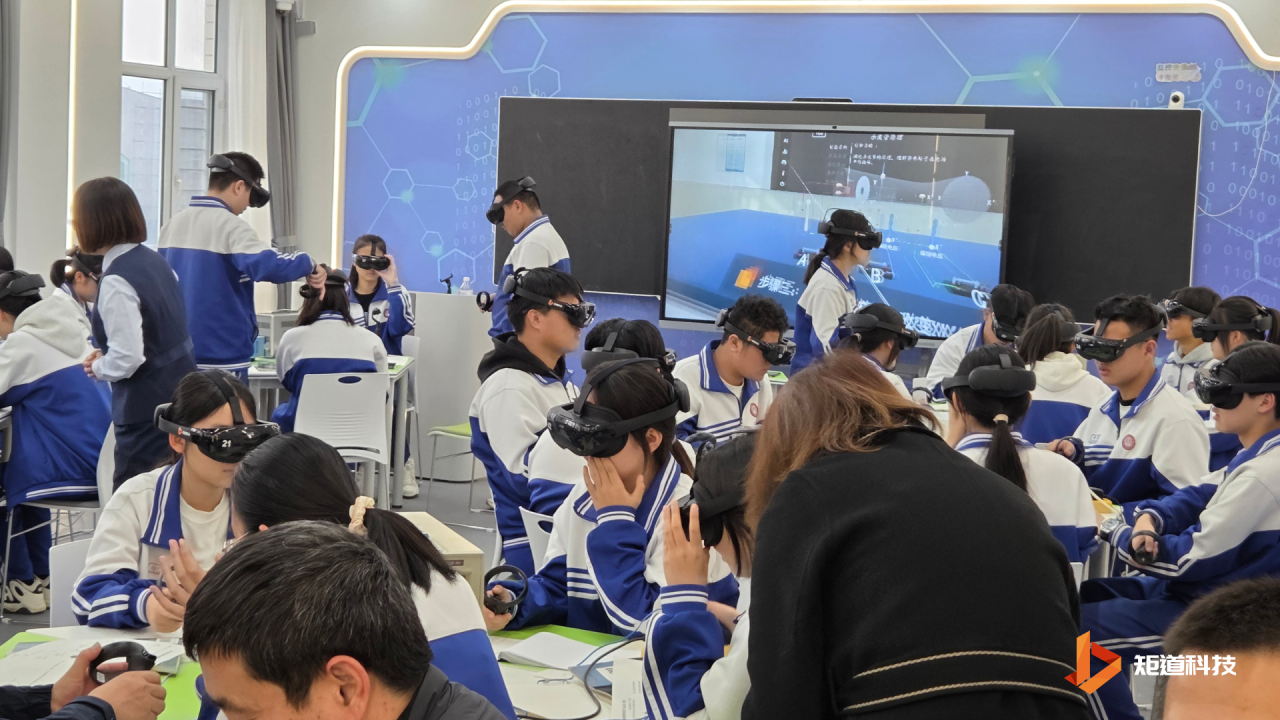
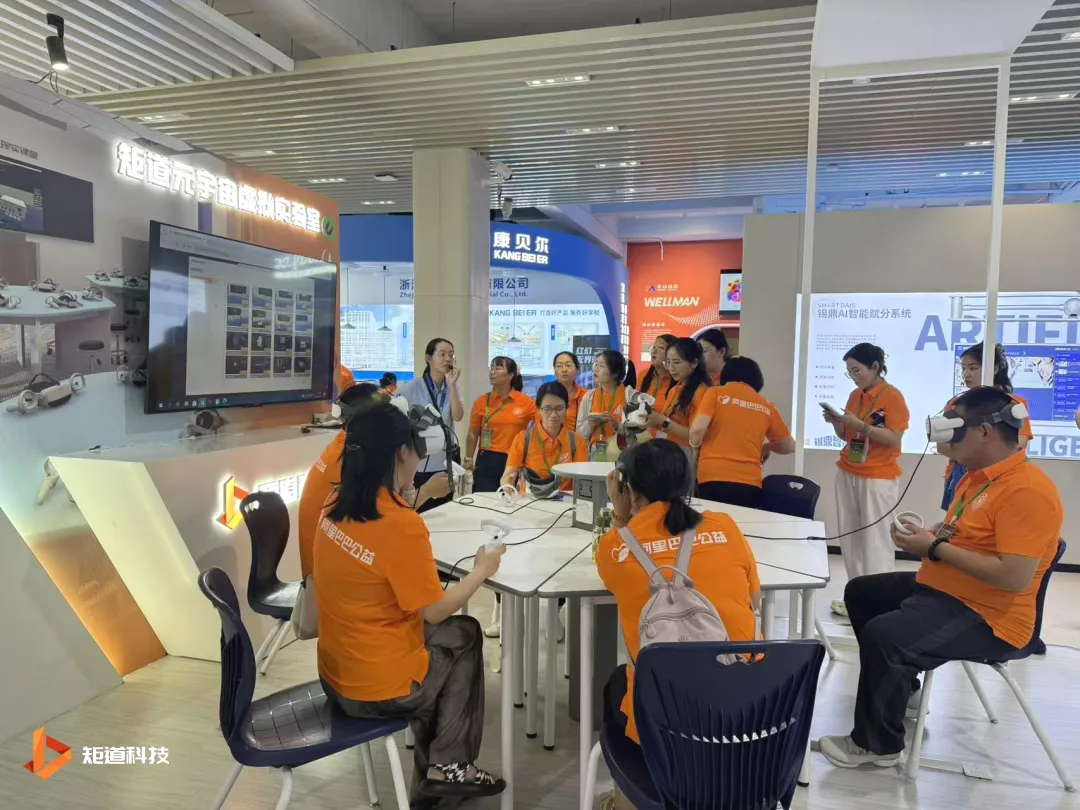
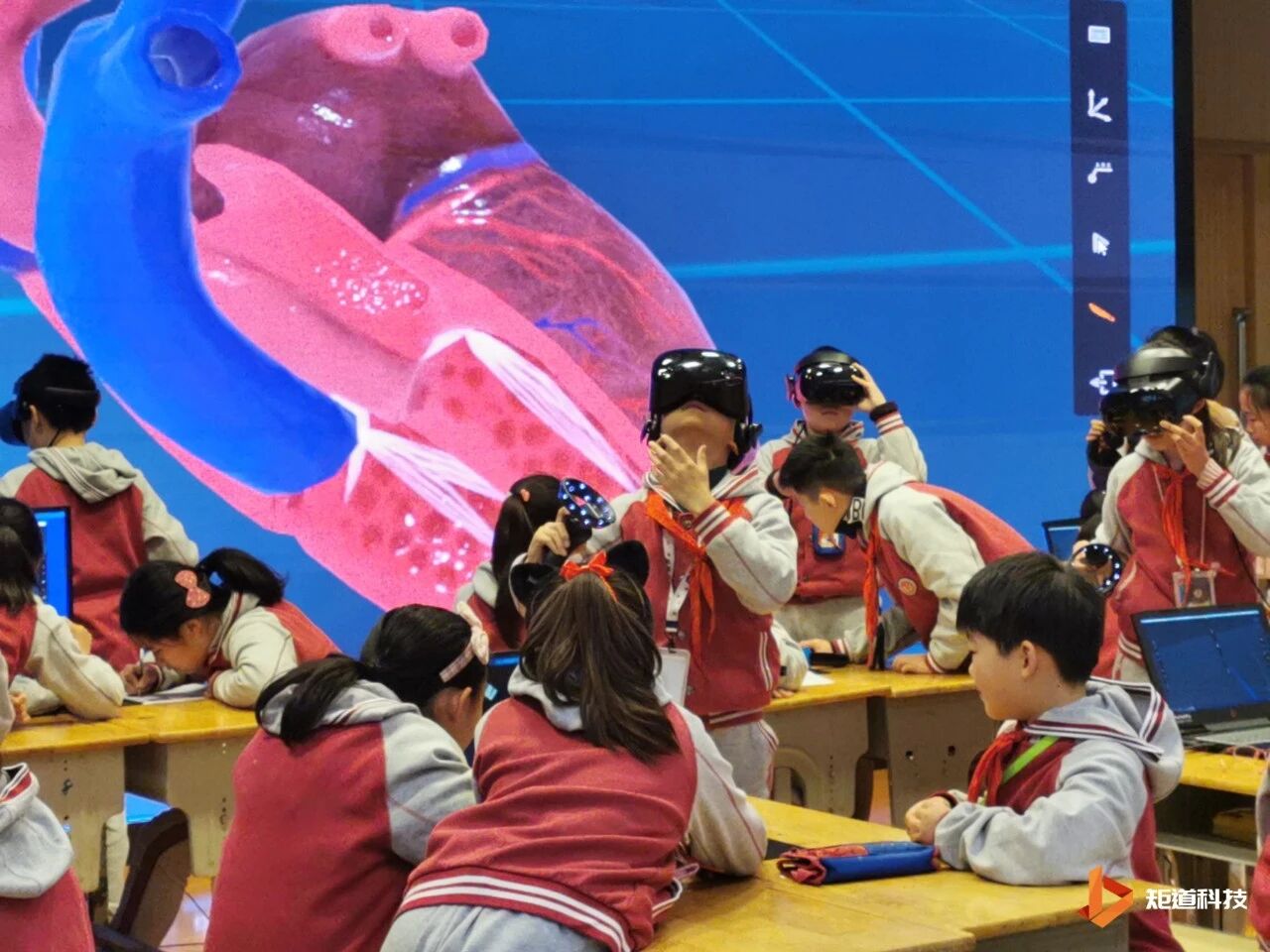
Figure 1. A Primary Science VR classroom running the Moon Phases module.
The Principle Behind the Phases: Three Facts
Before students can read a moon-phase diagram, they need three basic facts. First, the Moon does not emit light on its own; the moonlight we see is reflected sunlight. Second, the Moon is constantly orbiting Earth, so its position changes every single day. Third, because the relative positions of the Sun, Earth, and Moon keep shifting, the portion of the Moon that we see lit up keeps changing as well. That changing lit portion is exactly what we call the phases.
In other words, the Moon does not really change shape. Our viewing angle changes. Textbooks state this in one sentence, but imagination rarely follows. This is precisely where an interactive science experiments environment earns its place in the curriculum.
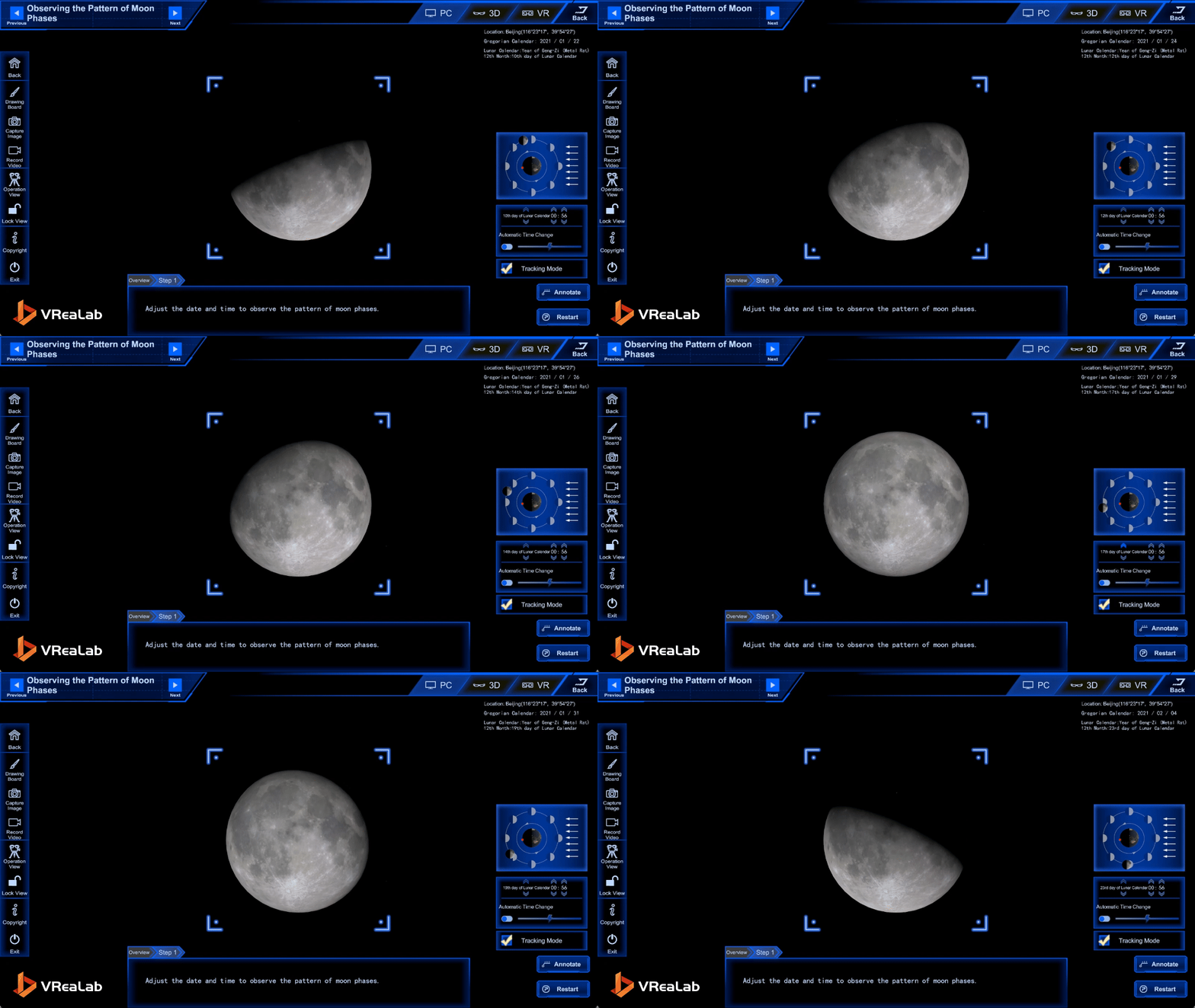
A Month in One Lesson: A Journey Along the Time Axis
Inside the VR moon module, students face a time axis they can drag forward and backward with their hands. Push it to day 20 of the lunar calendar and a gibbous moon appears: most of the disc is lit, and the boundary between light and dark, the terminator line, stands out clearly.
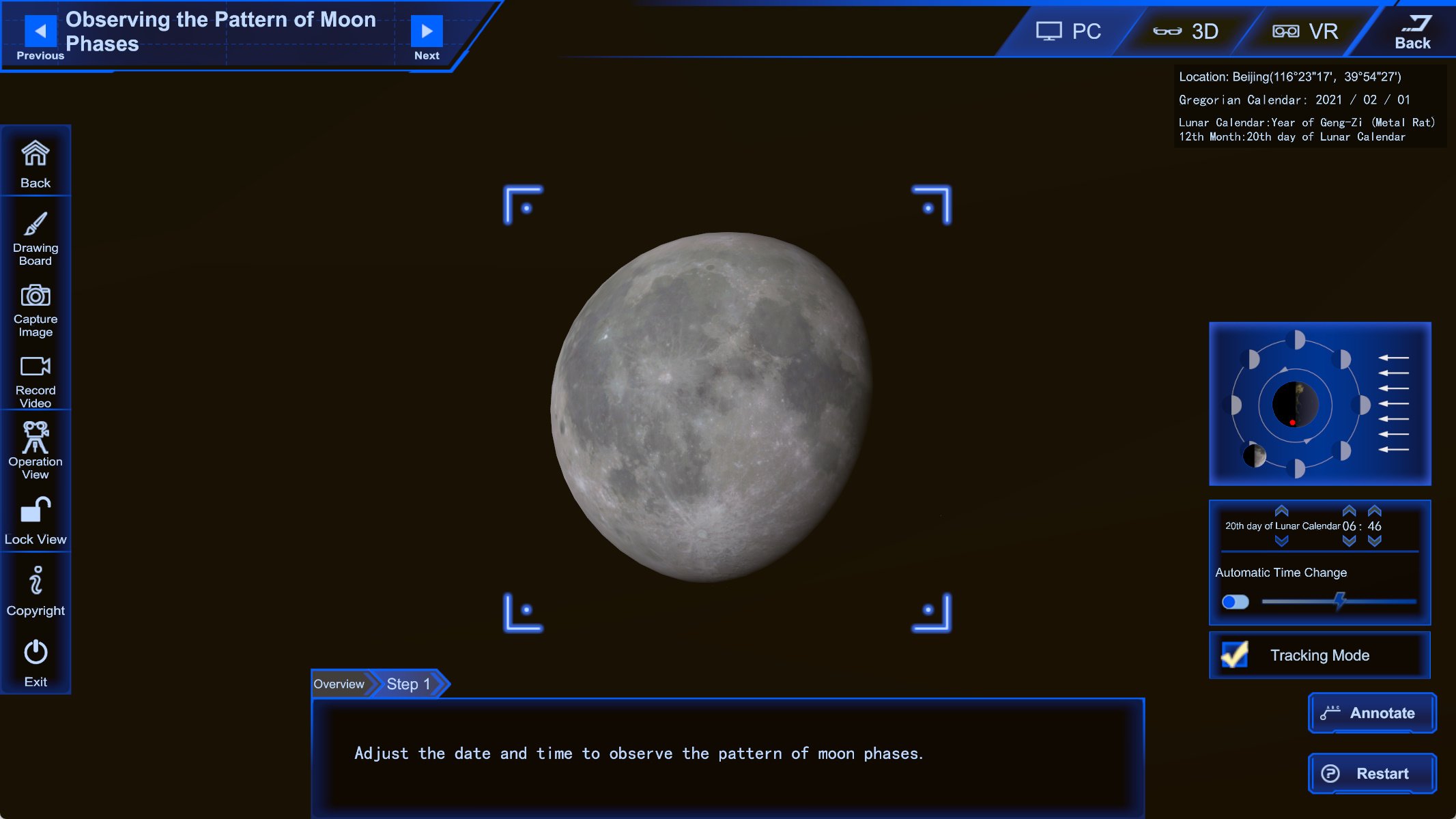
Figure 2. Day 20 of the lunar calendar: a gibbous moon with a clearly visible terminator line.
Drag the time axis to day 23 and the Moon settles into a clean half disc. At this moment the Sun, Earth, and Moon form a right angle, which is exactly the geometric condition for the last quarter. The VR software draws the Sun-Earth-Moon relationship beside the lunar disc, turning an invisible spatial arrangement into a readable diagram.
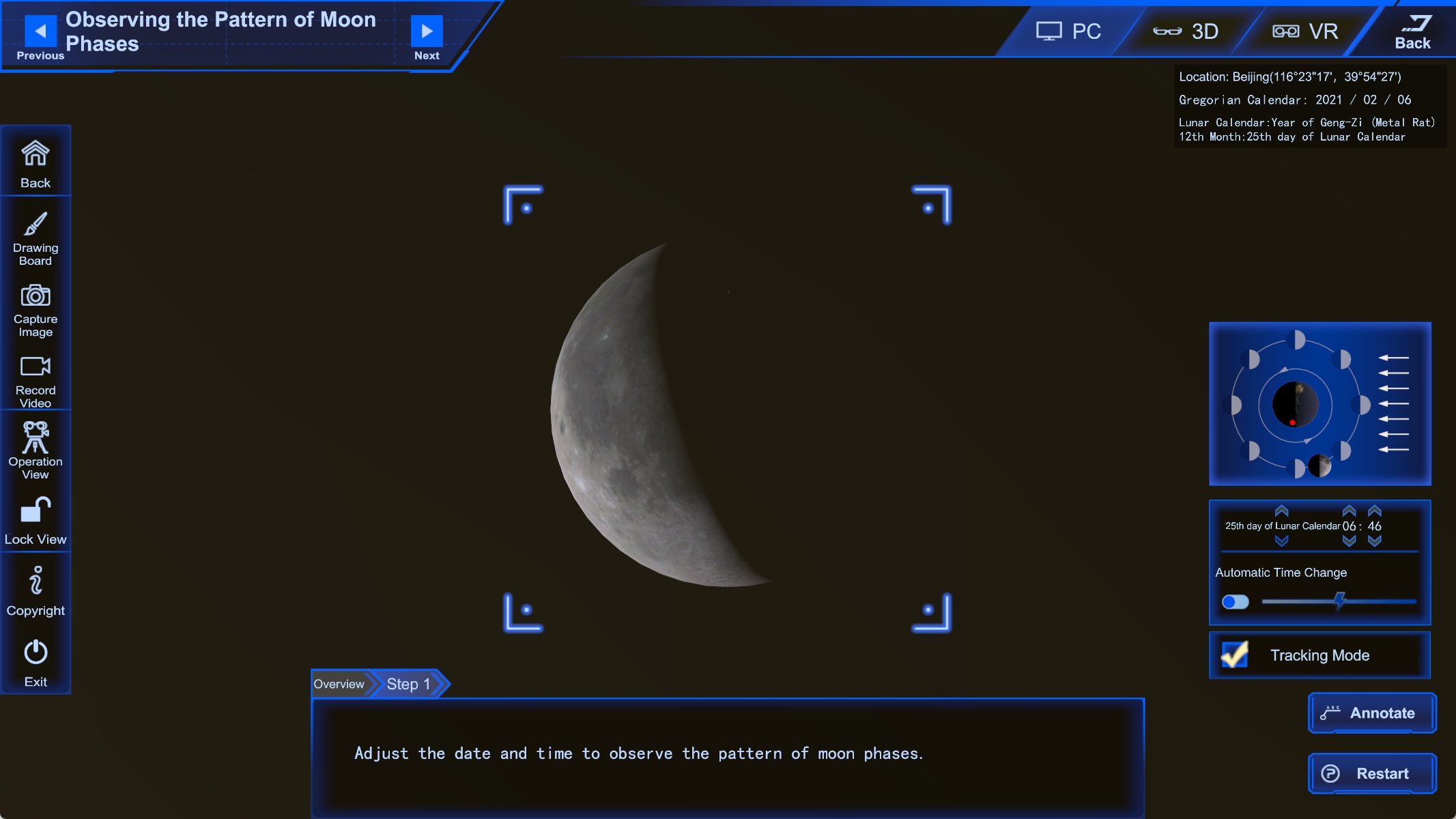
Figure 3. Day 23: tracking mode draws the Sun-Earth-Moon geometry alongside the lunar disc.
Students can also switch to a closer viewpoint and study the half-lit surface in detail. In the real world, seeing the last quarter means getting up before dawn; in VR, it is available whenever a question arises.
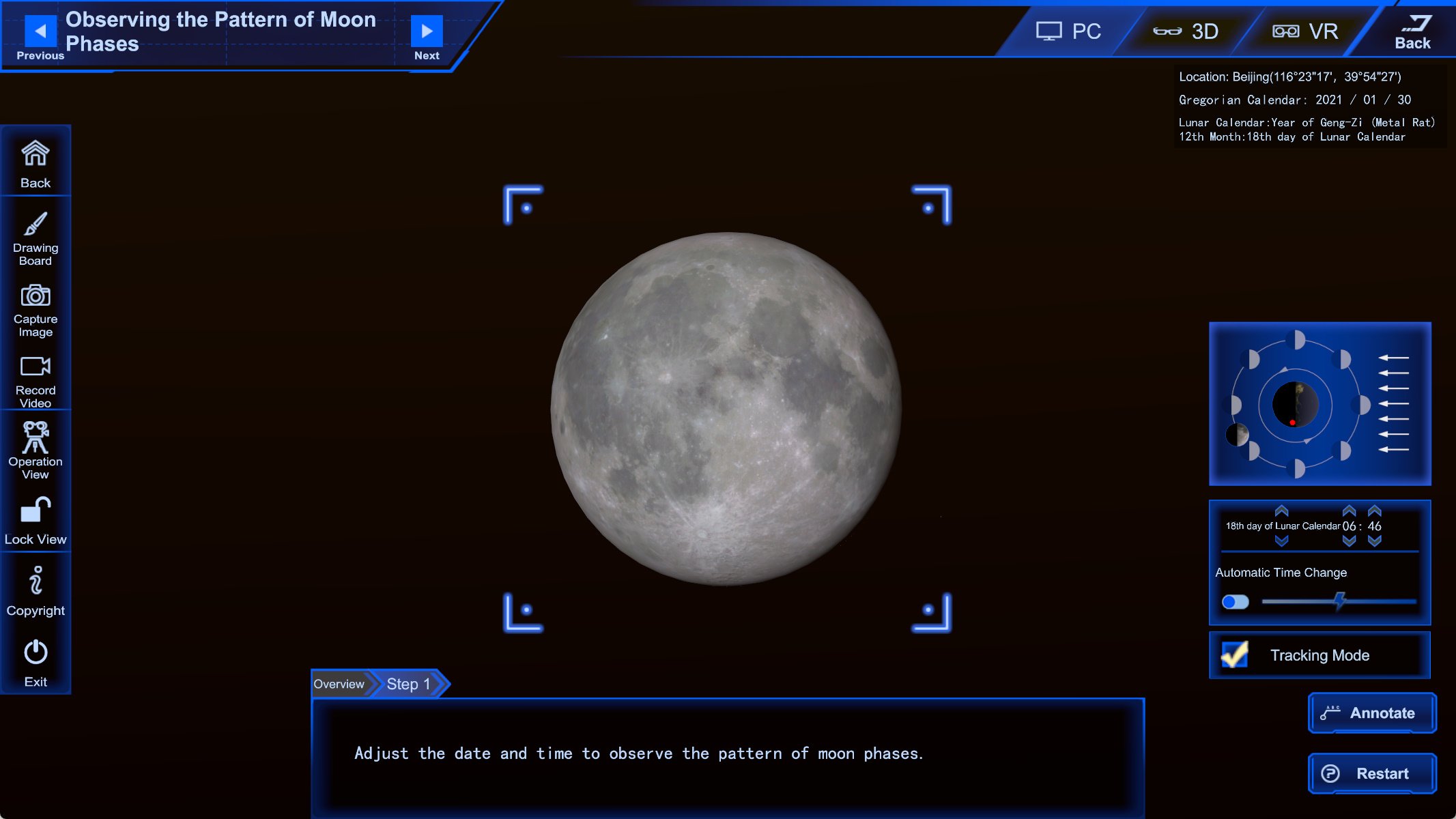
Figure 4. Day 23: a close view of the half-lit lunar surface.
Move the axis onward to day 25, and the lit area narrows into a slim crescent. At this stage many students begin to notice the pattern by themselves: the later the date, the smaller the lit portion. That is a genuine scientific discovery, one they make through comparison rather than receive as a rule.
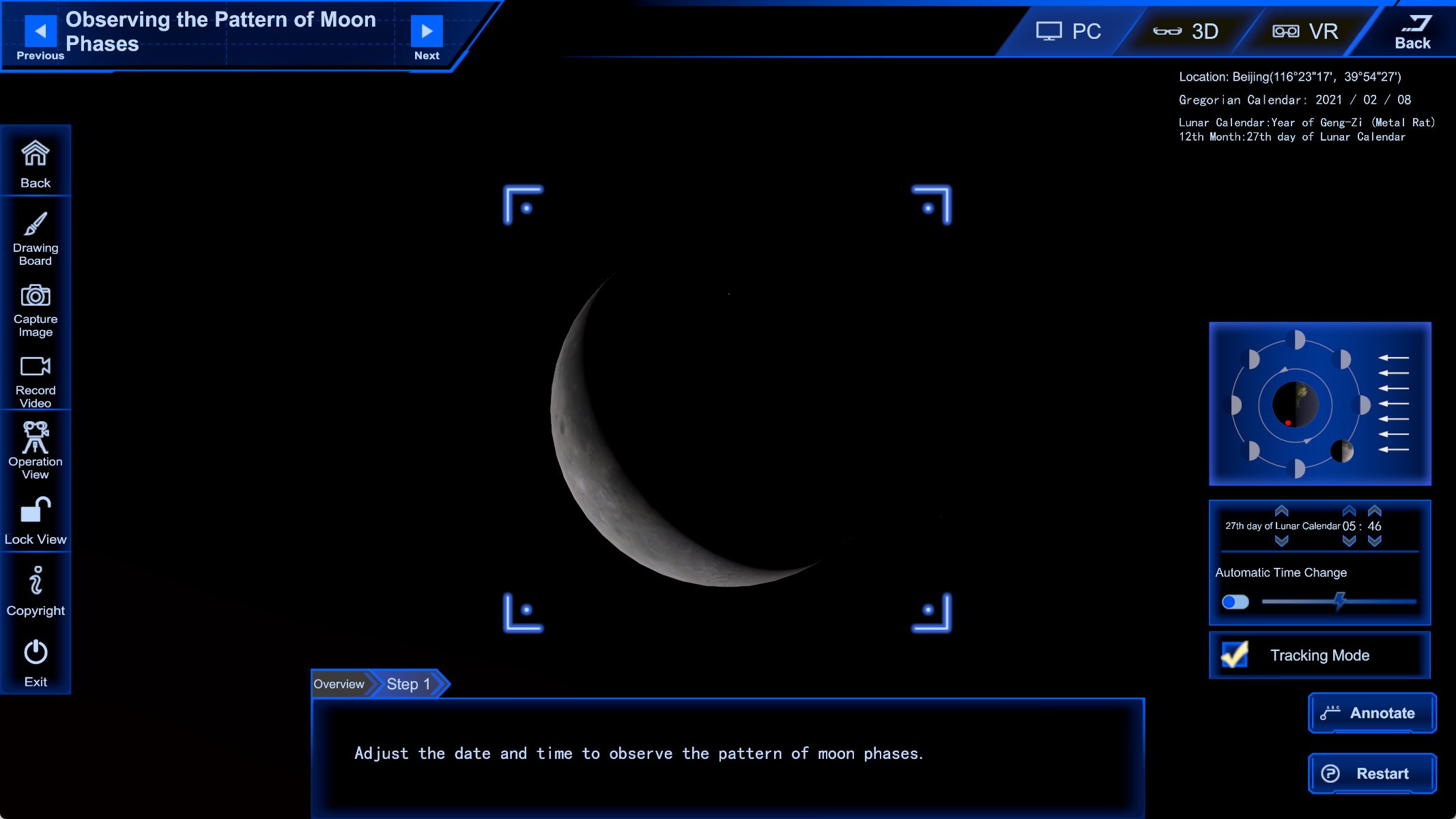
Figure 5. Day 25: a slimmer crescent invites students to compare the shrinking lit area.
By day 26 only a thin curved sliver remains. Students can lean in and watch how the terminator arc closes as the bright band narrows, building a feel for how the geometry of the Moon's orbit controls what we see.
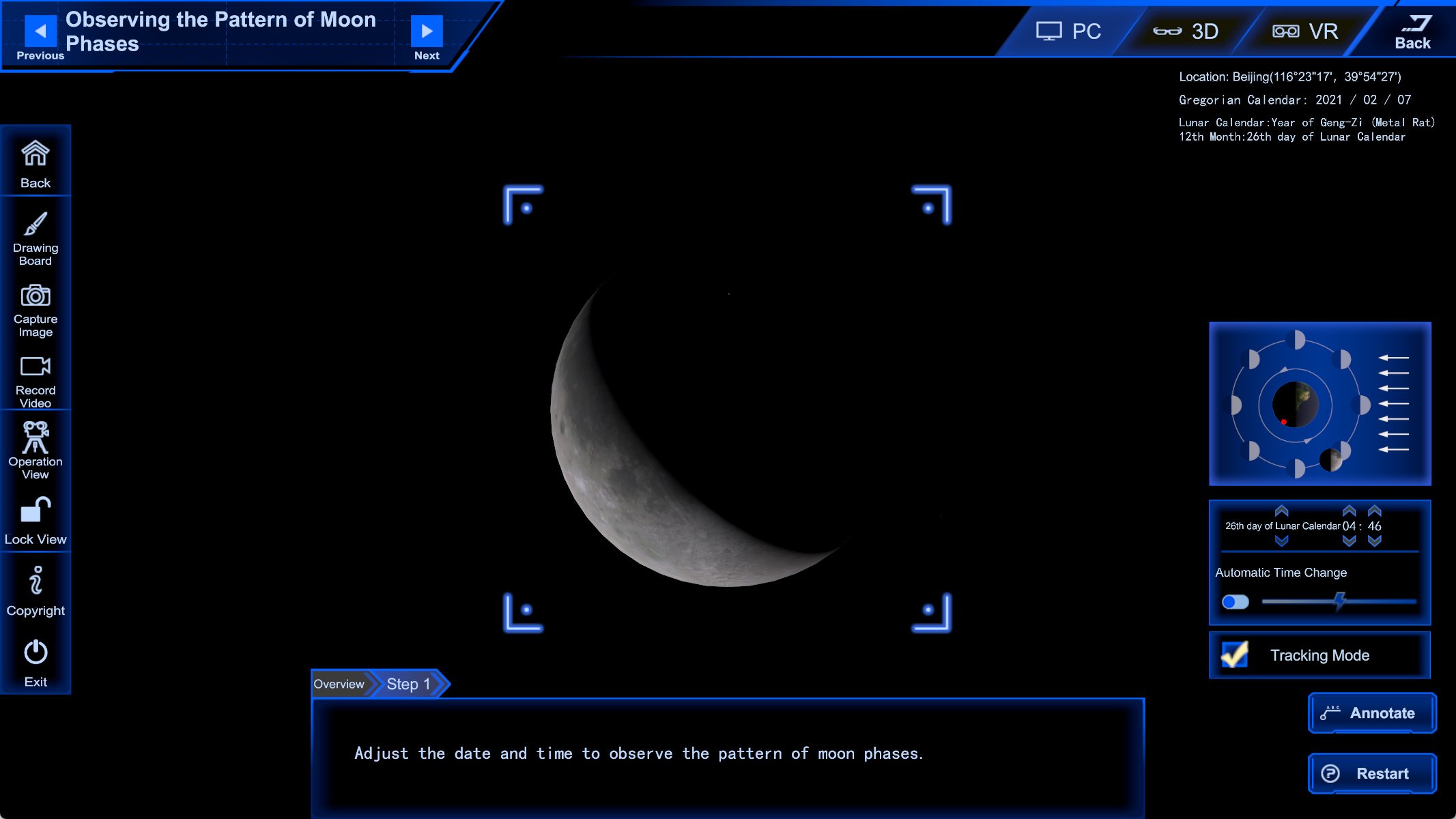
Figure 6. Day 26: a thin waning crescent near the end of the cycle.
Day 27 brings the cycle almost to a close: a faint sliver of light against the dark. One more step and the Moon disappears completely at the new moon, only to start the sequence all over again. Within a few minutes, students have witnessed the closing stage of a full lunar cycle. This continuous change is something no static poster can show.
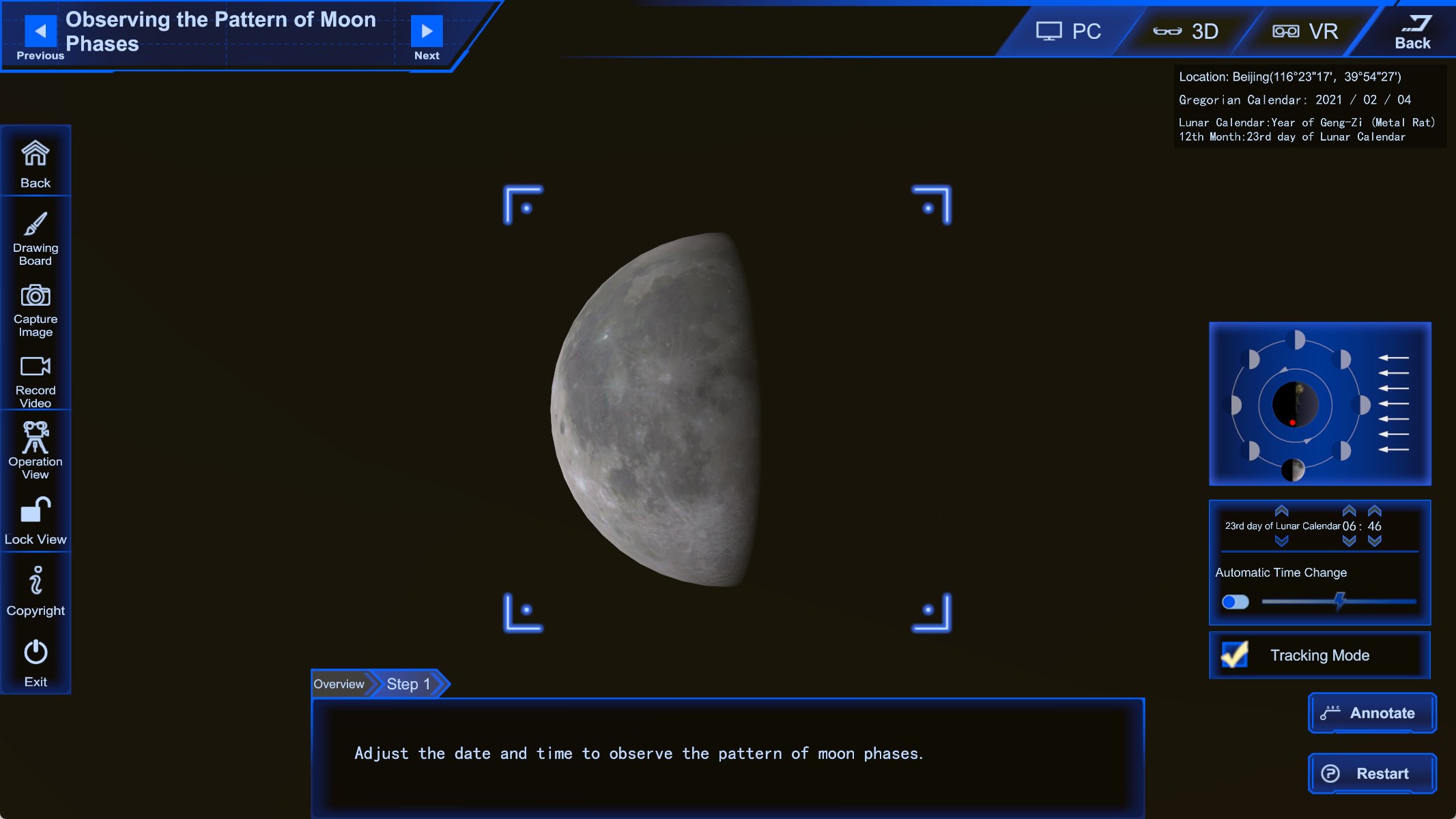
Figure 7. Day 27: a barely visible sliver marks the boundary state before the new moon.
From Seeing to Understanding: Why VR Breaks the Bottleneck
Traditional moon-phase teaching stalls at the stage of spatial imagination. VR removes the bottleneck in three ways. First, it offers free viewpoints: students can look up from Earth or float in space to check the whole Sun-Earth-Moon layout, switching between the observer's view and the global view to verify that the phase matches the geometry. Second, it compresses time: a month becomes minutes, and any date can be paused for careful study. Third, it presents a continuous process: instead of eight isolated snapshots in a textbook, students watch a smooth sequence in which the pattern reveals itself.
Conclusion: Making the Principle Visible
The goal of moon-phase teaching is not to memorize names but to understand the causal link between the Moon's orbit and what we see from Earth, and to begin building spatial thinking that will serve students across all of science. VR turns that invisible causal chain into a direct experience that every child can see, operate, and summarize in their own words. When a student drags the time axis and watches the Moon thin out and fill again, astronomy stops feeling distant. STEM education of this kind, powered by virtual labs, makes the principle of the phases something students understand because they have seen it happen with their own eyes.