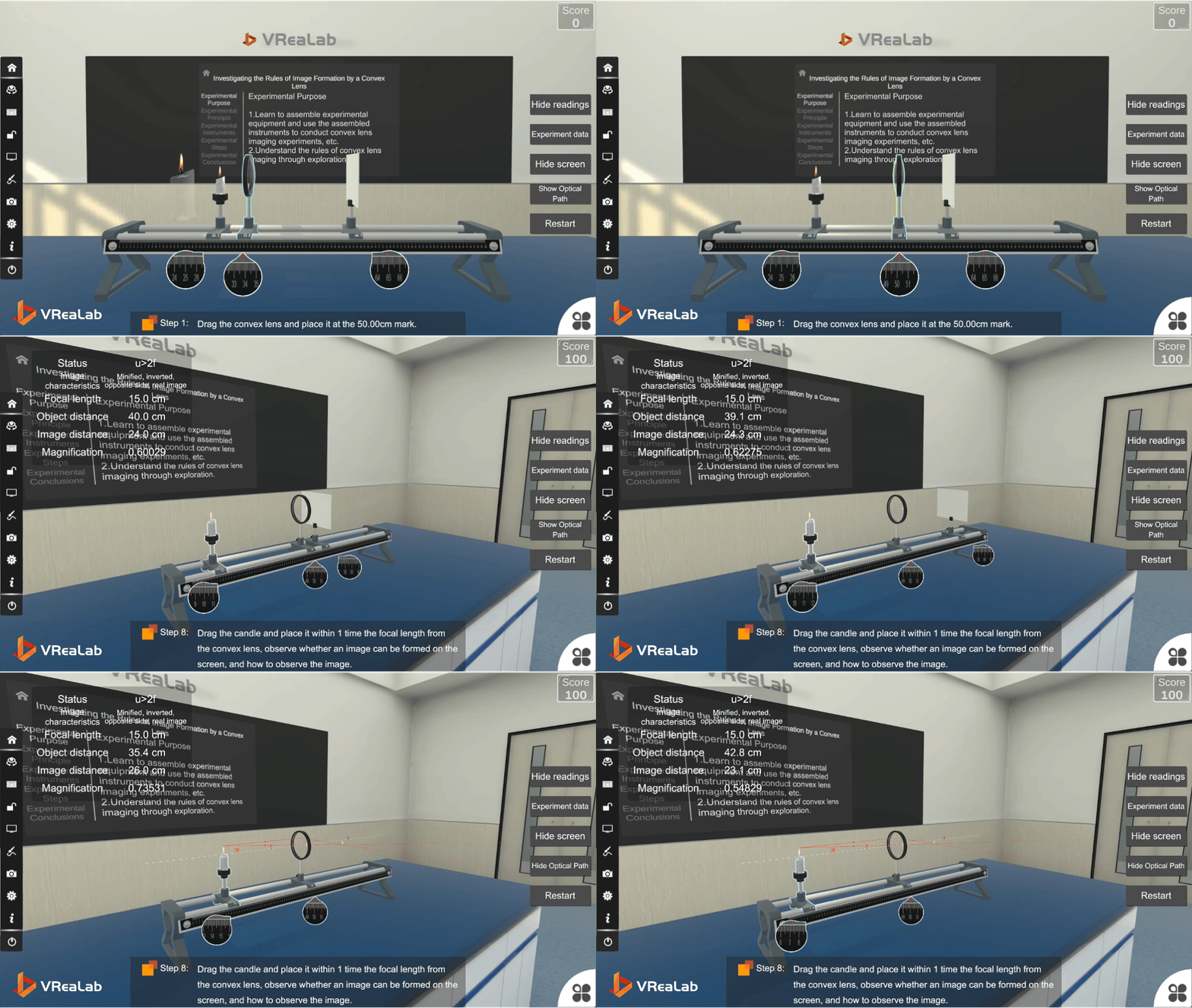
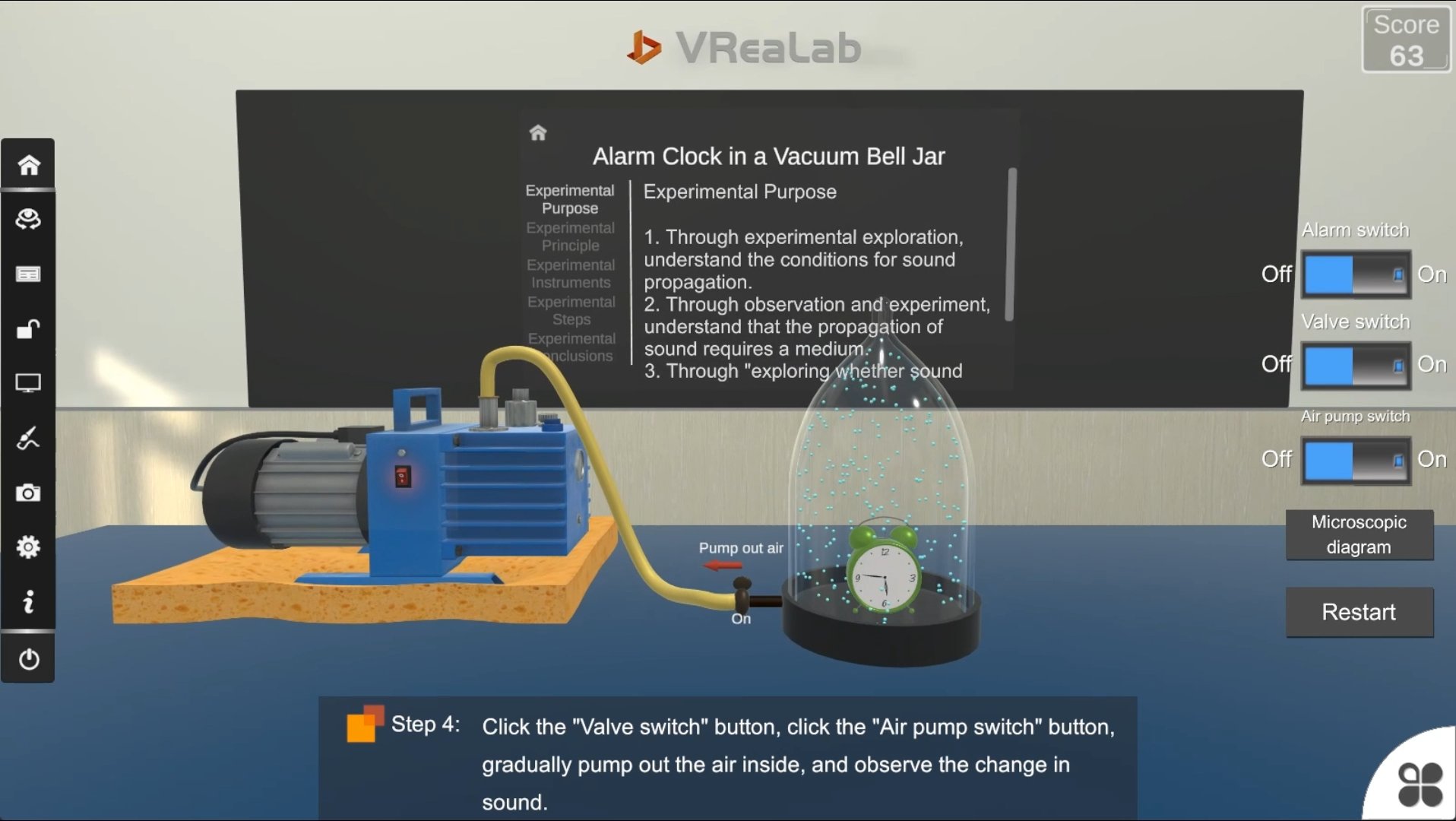
AI + Virtual Simulation: Powering High-Quality Classroom Instruction
Public lessons and teaching competitions reveal a common challenge — how to make difficult concepts clear and students engaged. A VR Science Lab with AI-powered virtual simulation transforms lectures into interactive, immersive STEM Education experiences that win classroom acclaim.
In a public demonstration class, the teacher delivers with passion but students don't engage. In a teaching competition, the key concepts remain unclear in the final minutes — these are tense moments every new teacher has experienced. Explaining difficult concepts thoroughly and controlling classroom pacing within limited time is both a challenge and an opportunity for growth.
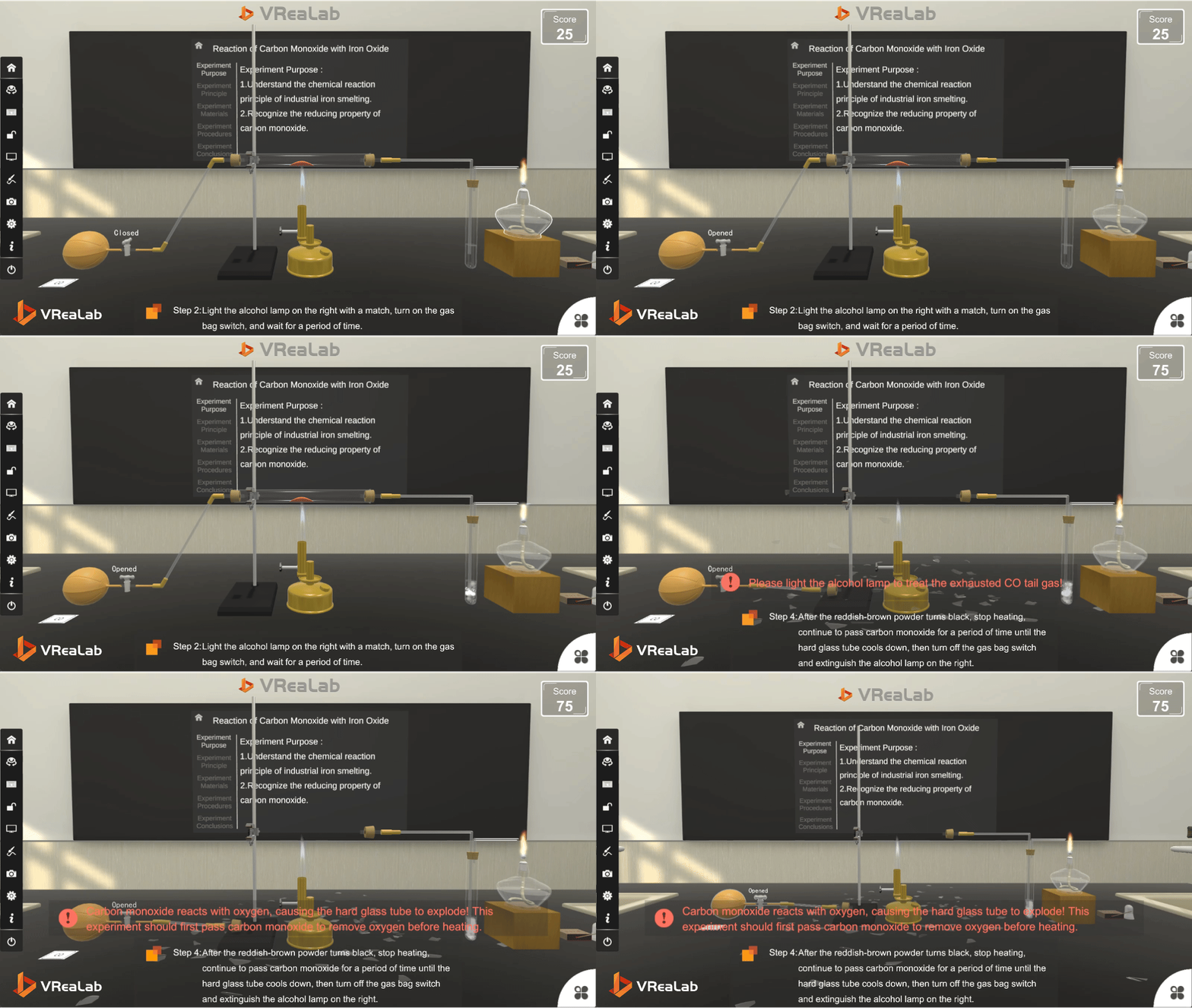
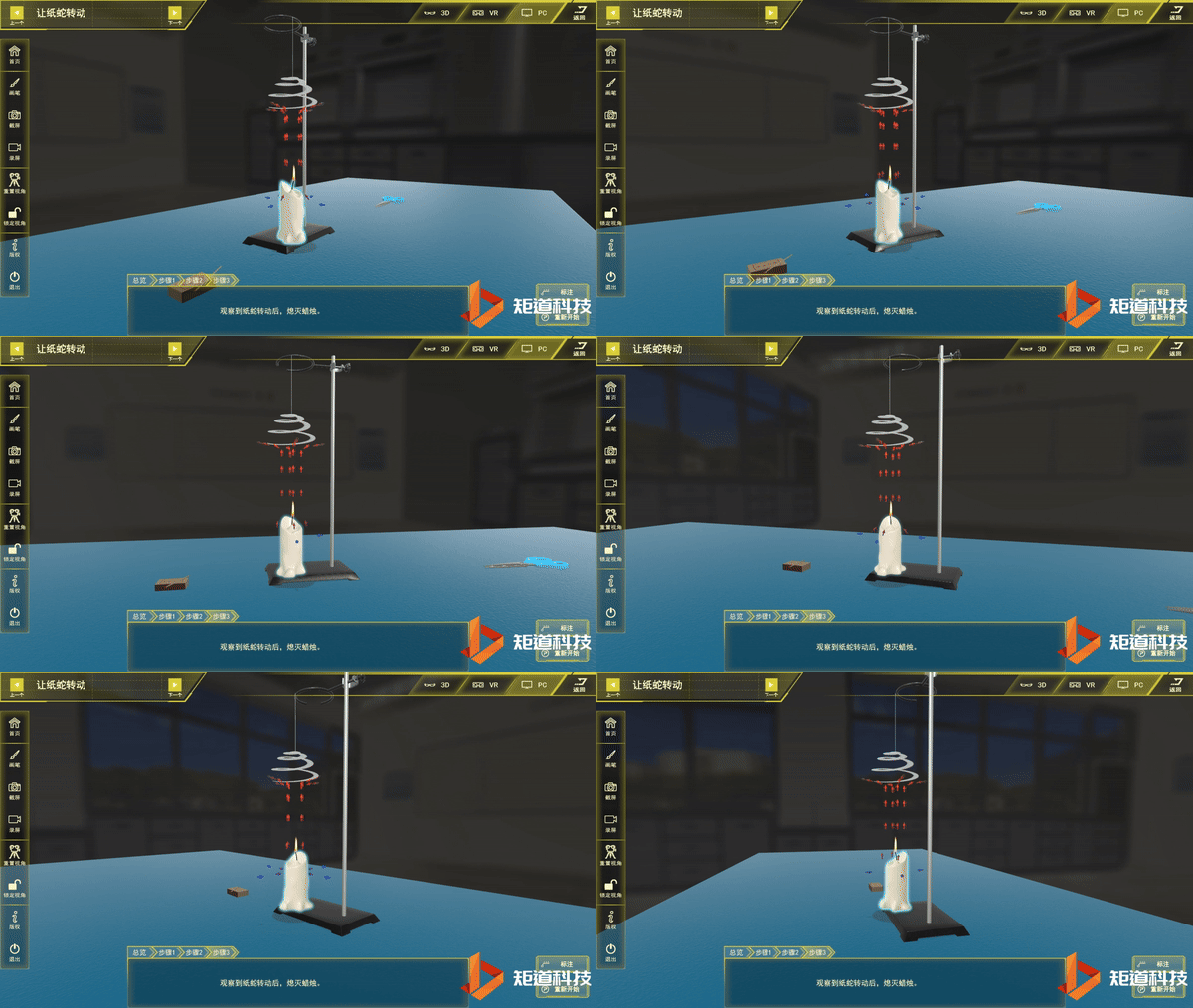
Faced with this challenge, one direction teachers are exploring is technology. In recent years, as the integration of technology and education advances, some teachers have begun bringing AI + virtual simulation digital courses into their classrooms. In teaching competitions, classroom attempts built on AI + virtual simulation digital courses frequently receive positive reviews — and a VR Science Lab is at the center of this transformation.
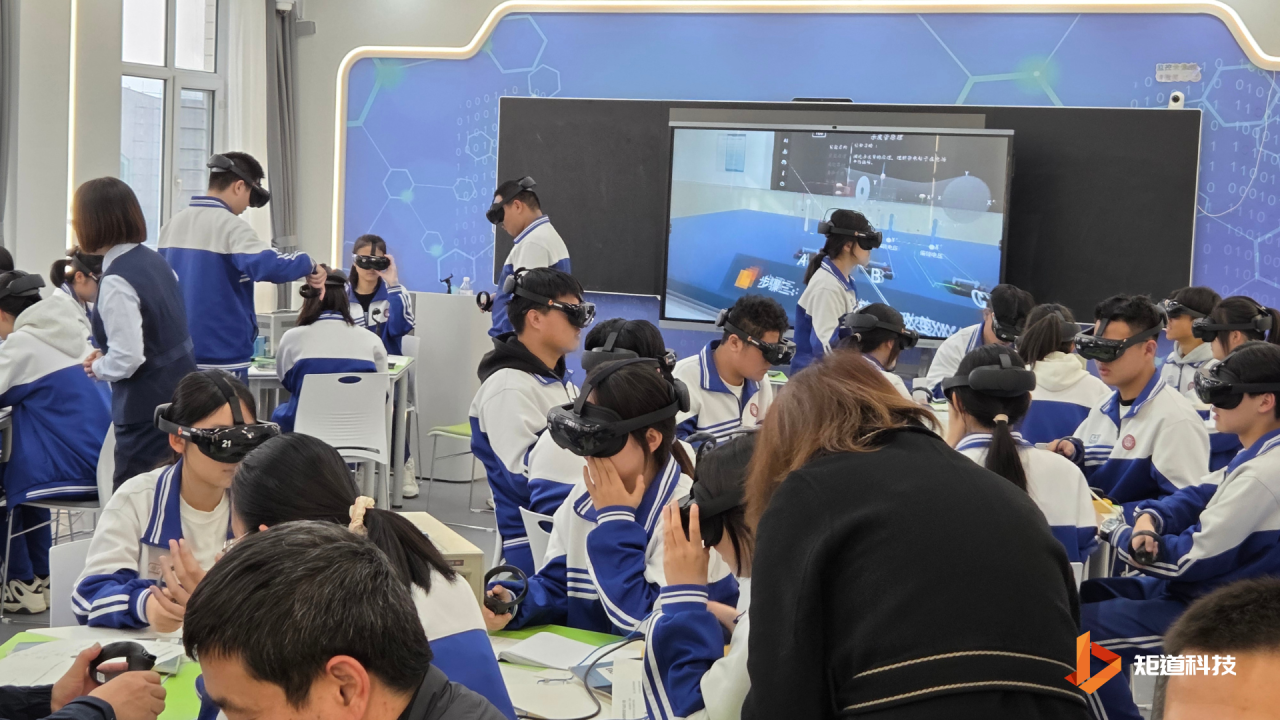
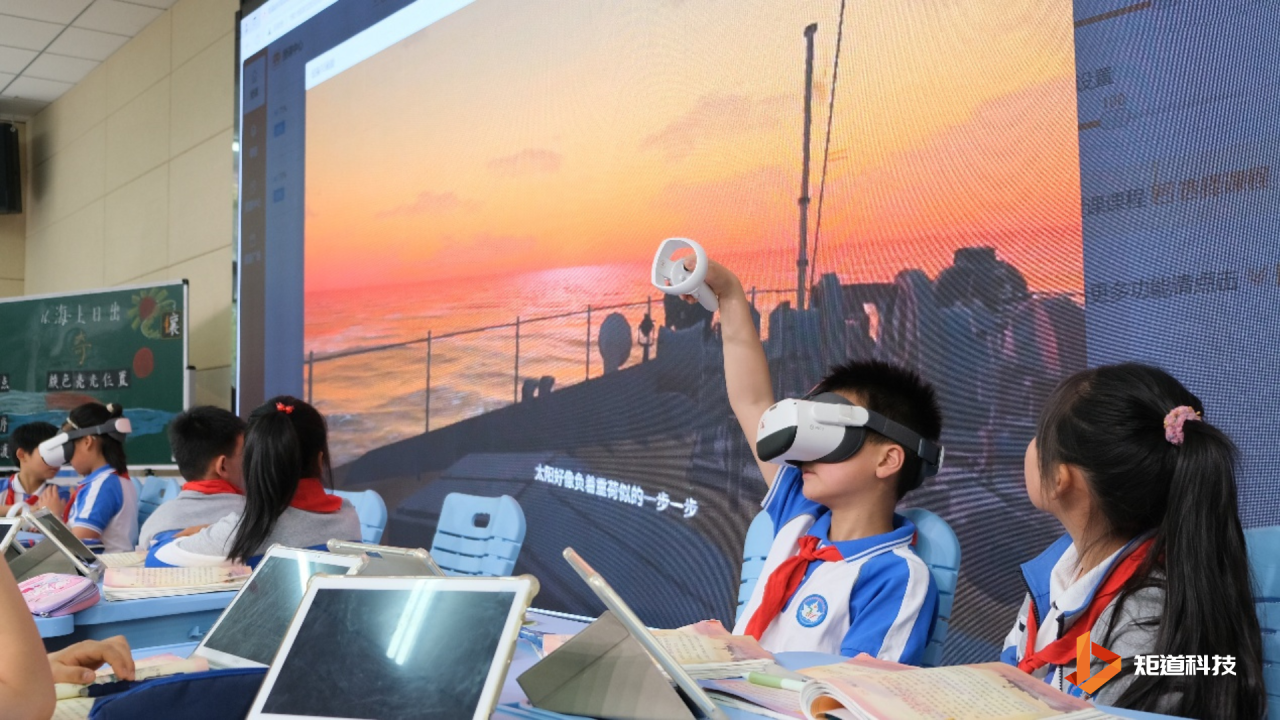
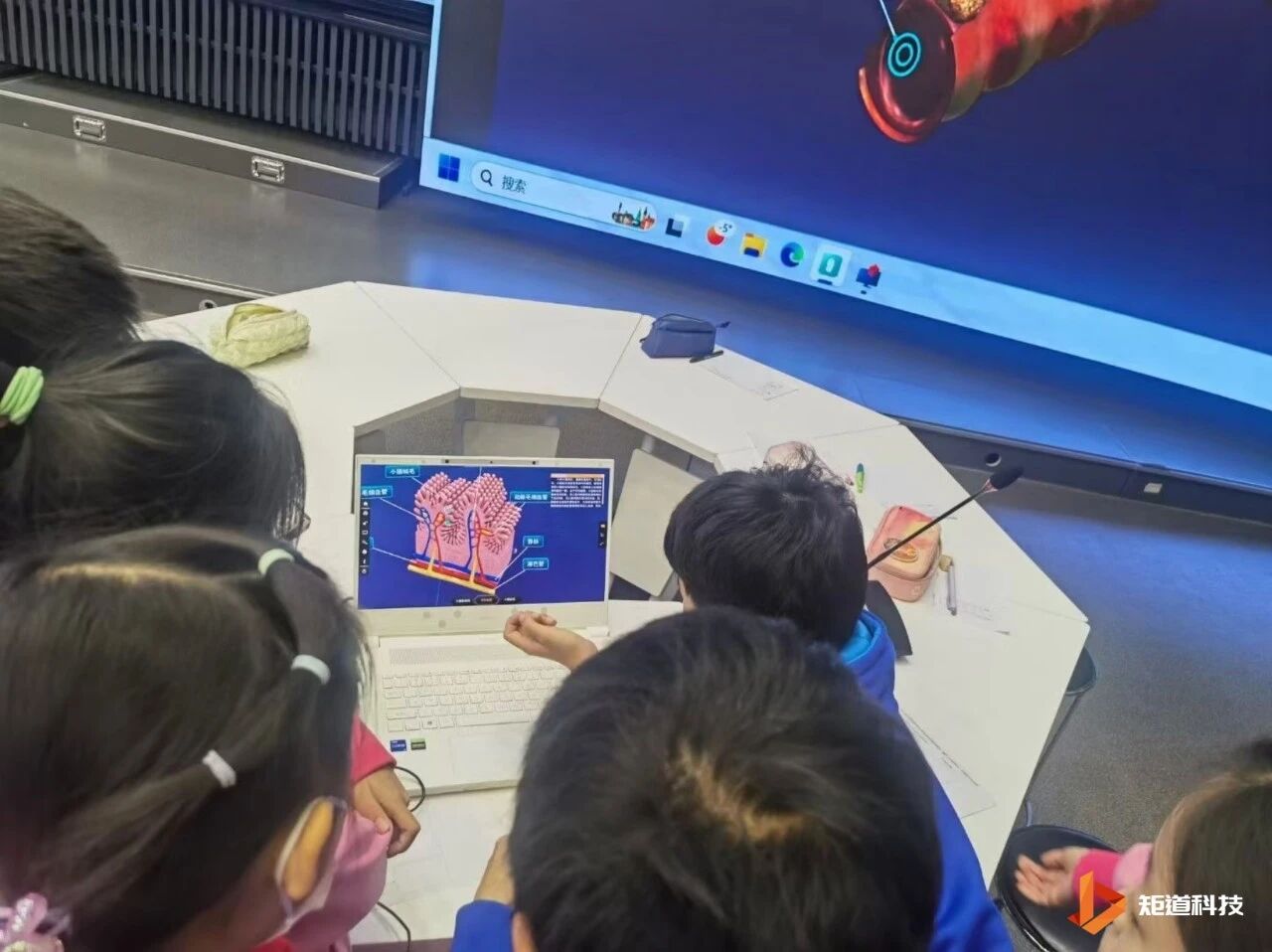
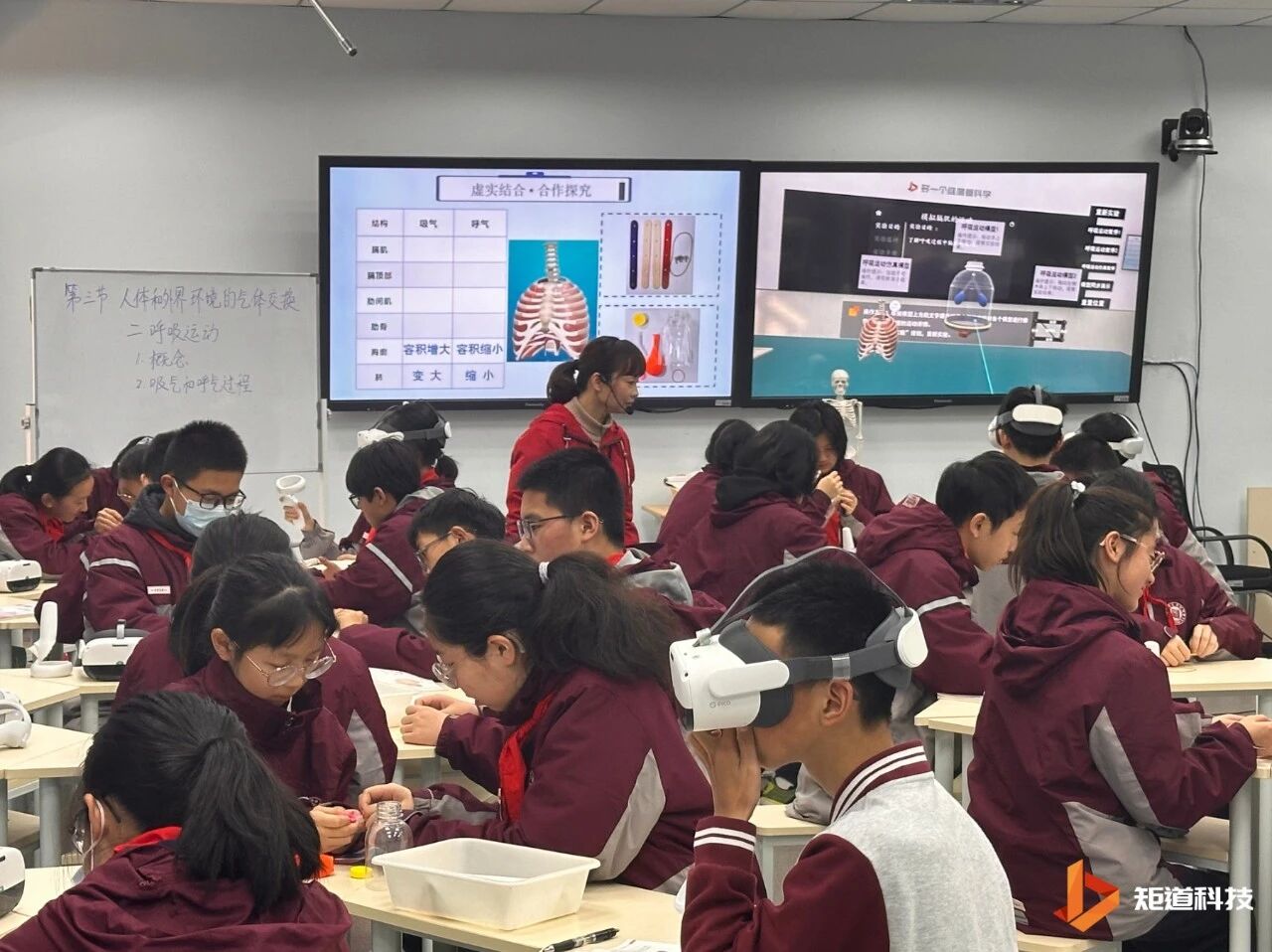
What is taught in class, how it is taught, and what kind of teacher-student interaction is provided directly determine whether students can engage with the lesson. AI + virtual simulation digital courses align with new curriculum standard knowledge points and build interactive 3D simulation scenes, helping teachers visually present processes that are difficult to explain through language and flat diagrams. Students see the phenomenon first, then understand the principle — their attention is more easily engaged, and enhanced sensory experience also helps deepen understanding and memory of abstract concepts.
This is the essence of modern STEM Education: learning begins with observation, grows through interaction, and solidifies through hands-on experience.
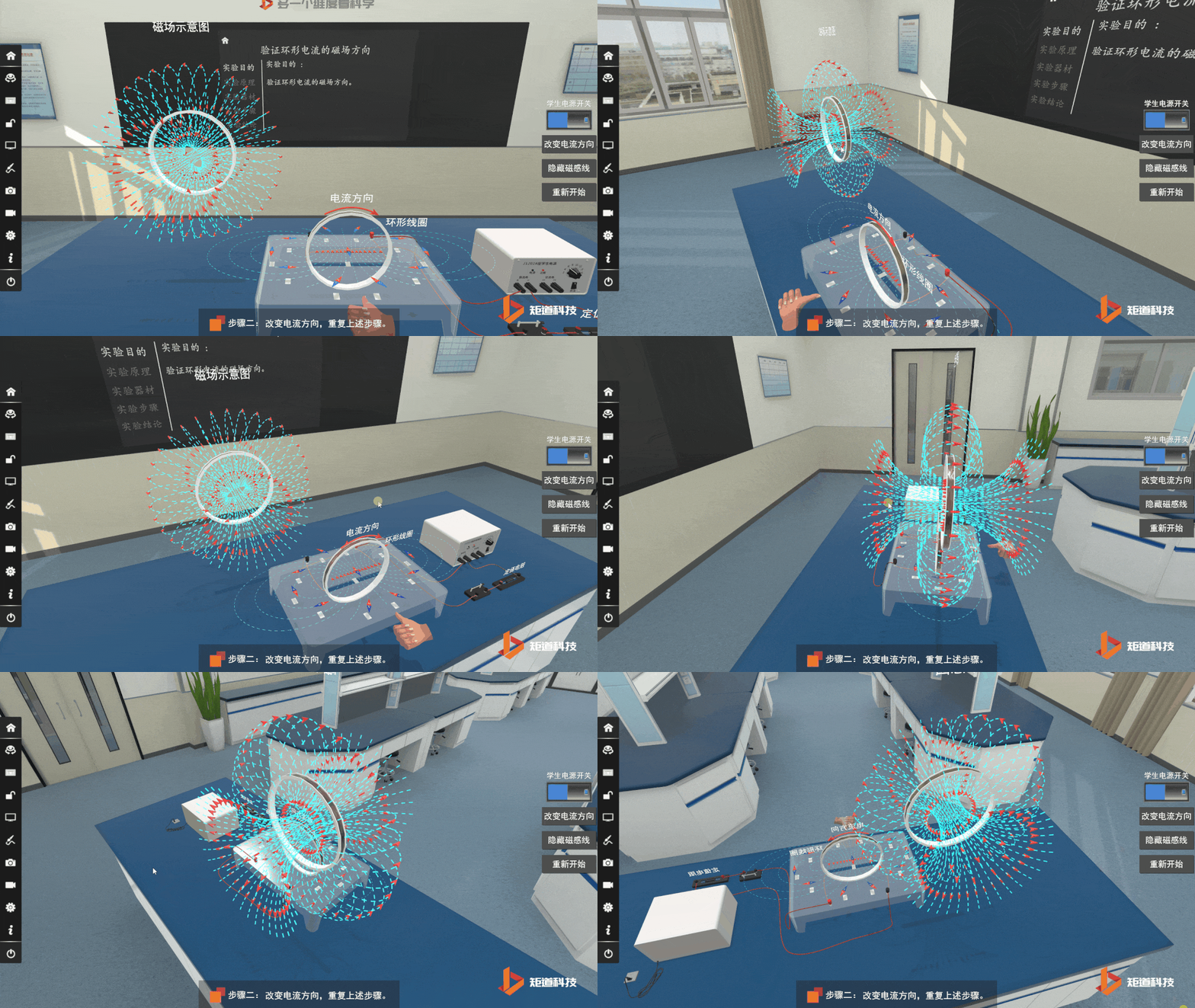
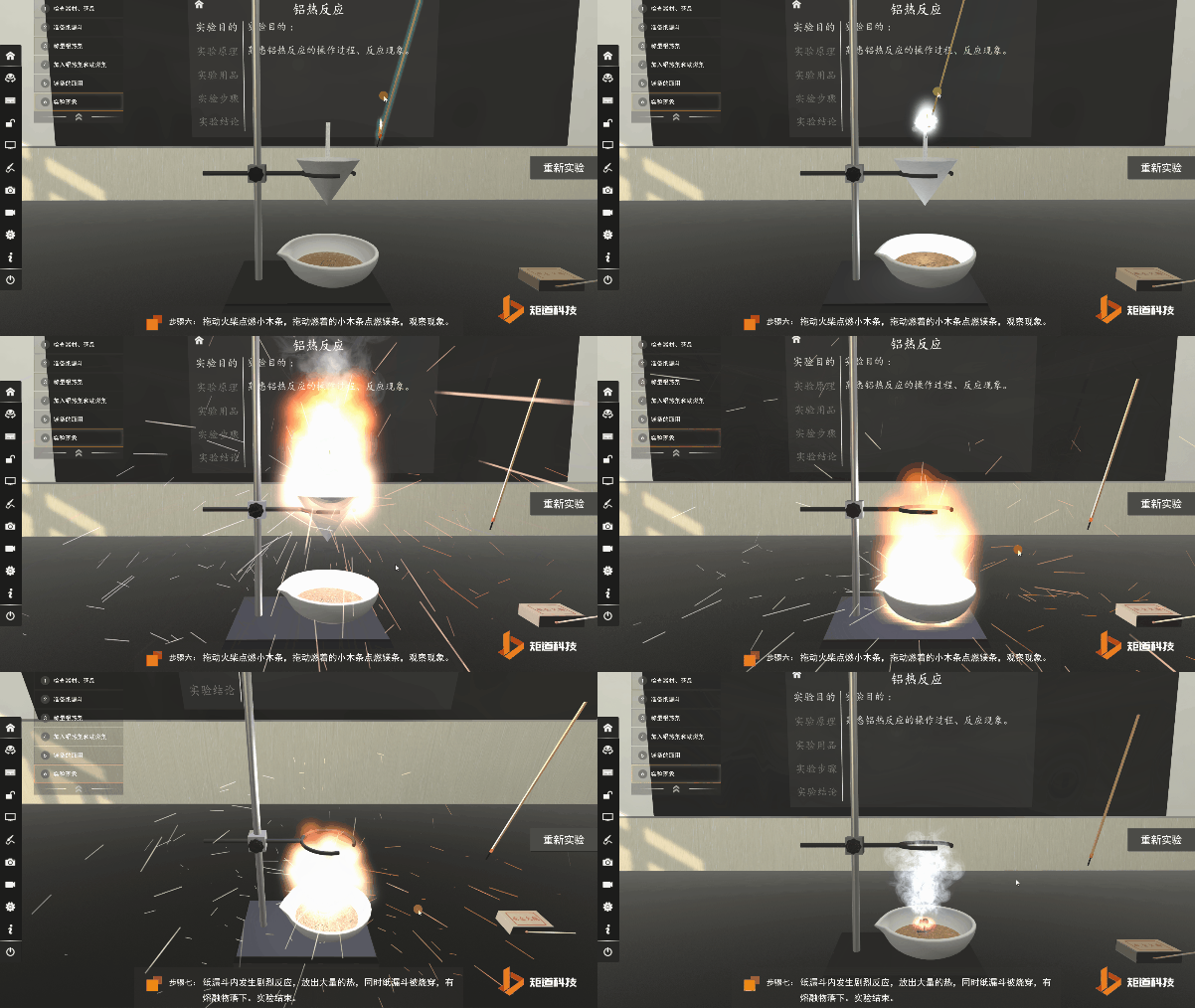
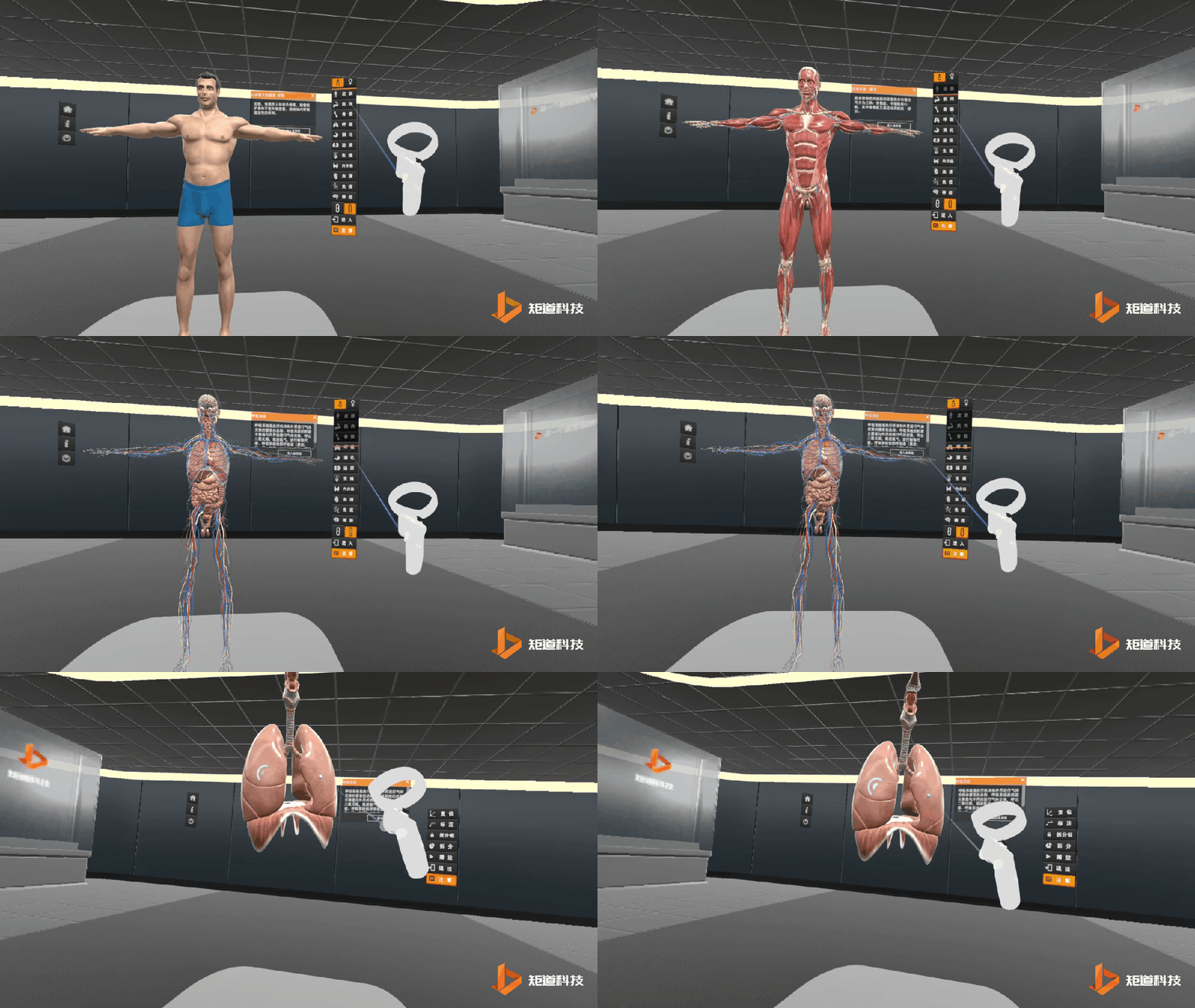
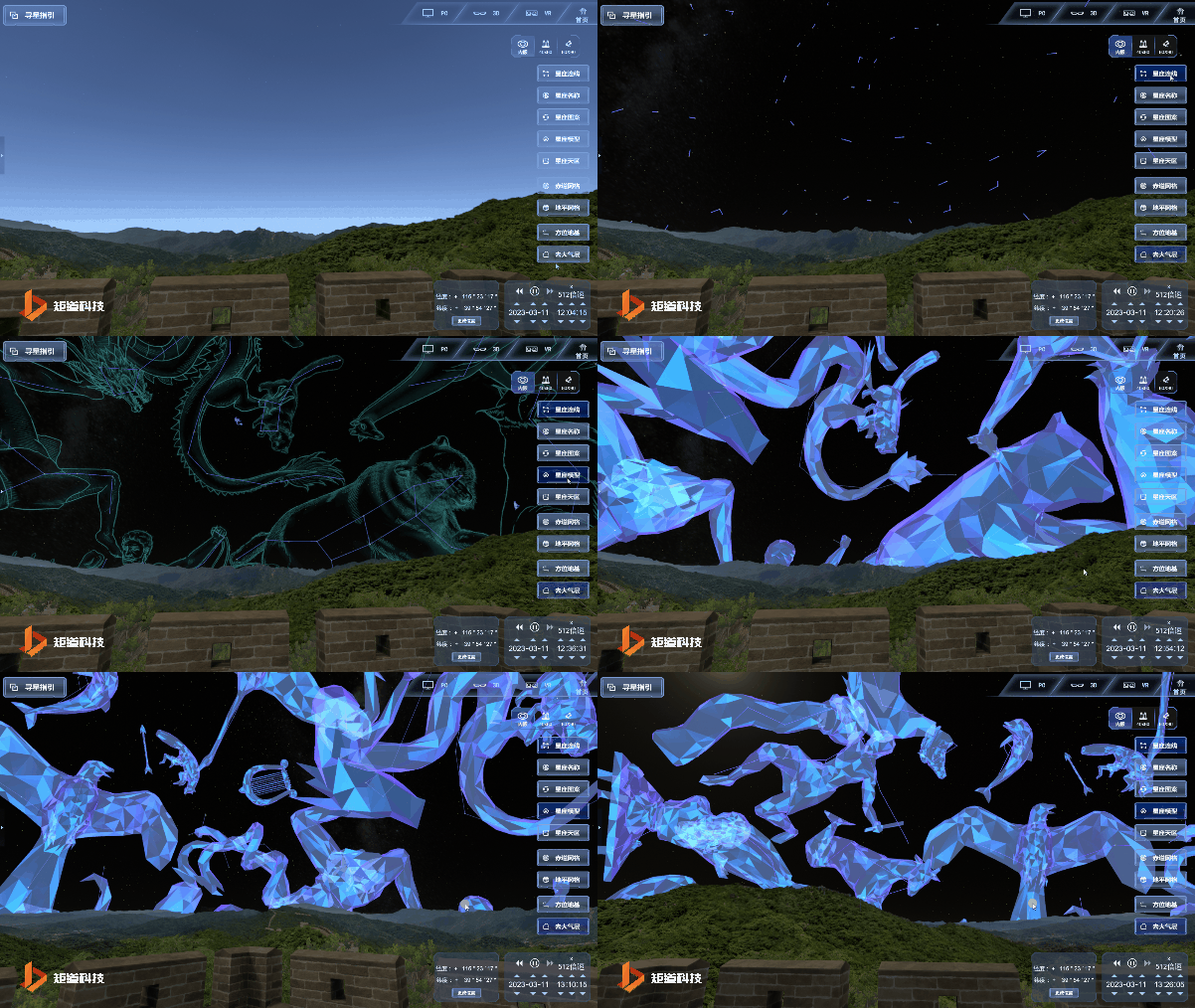
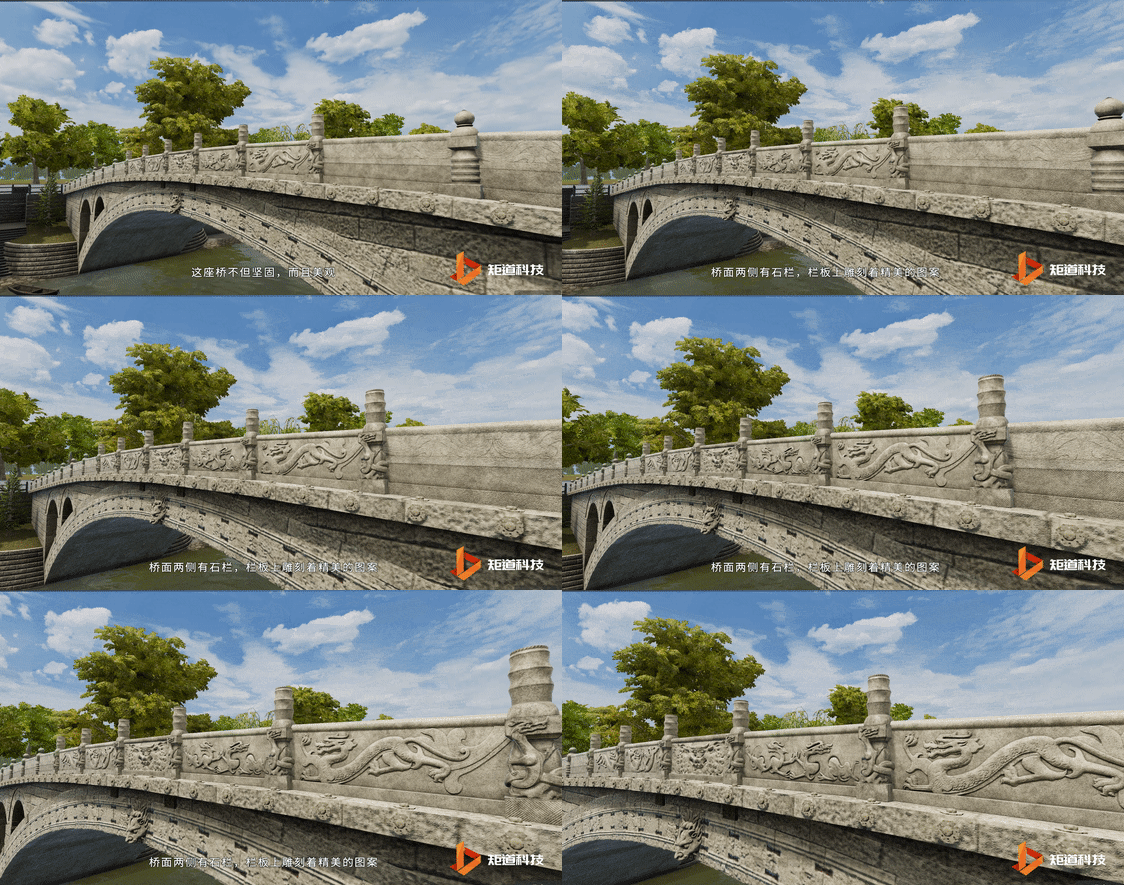
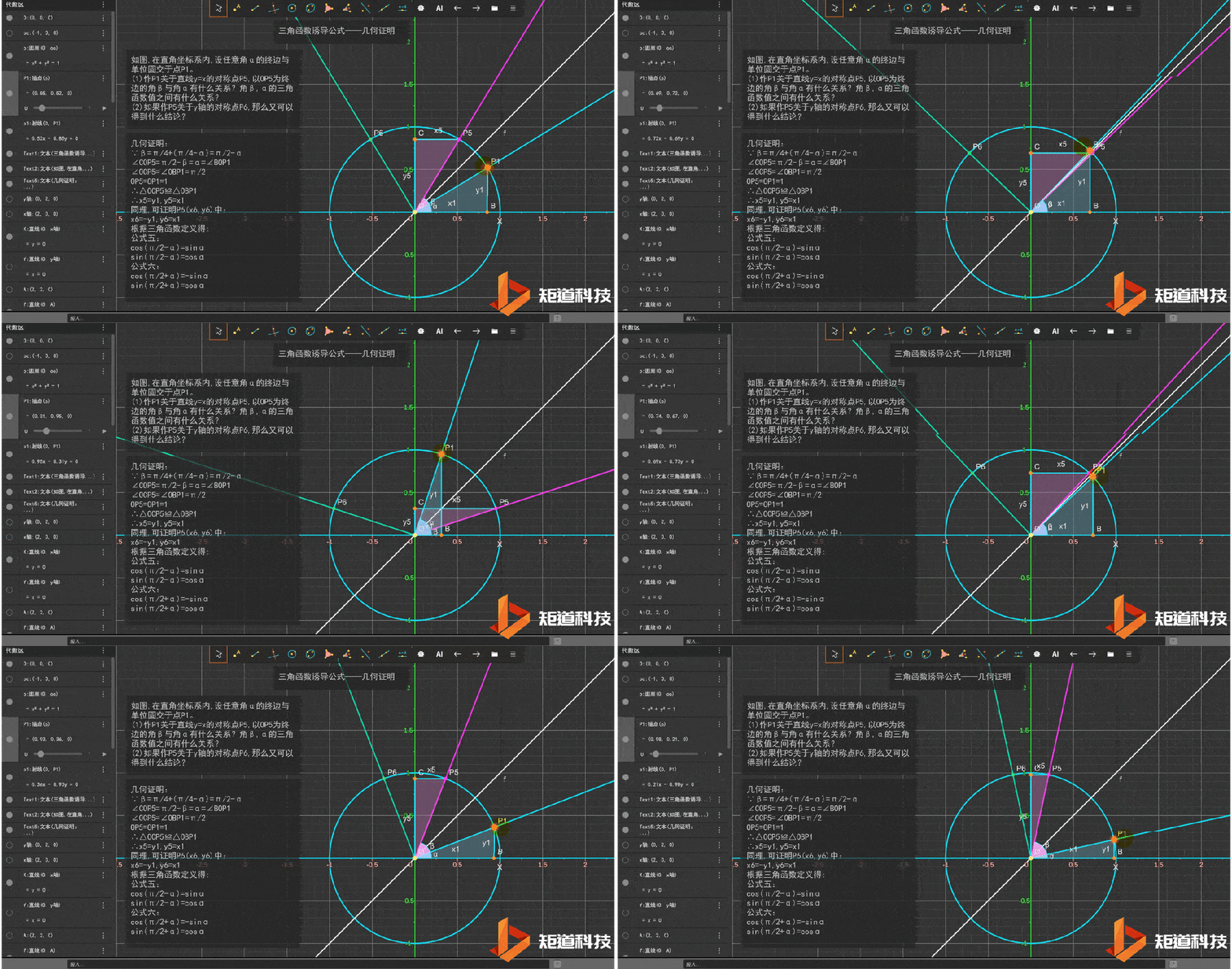
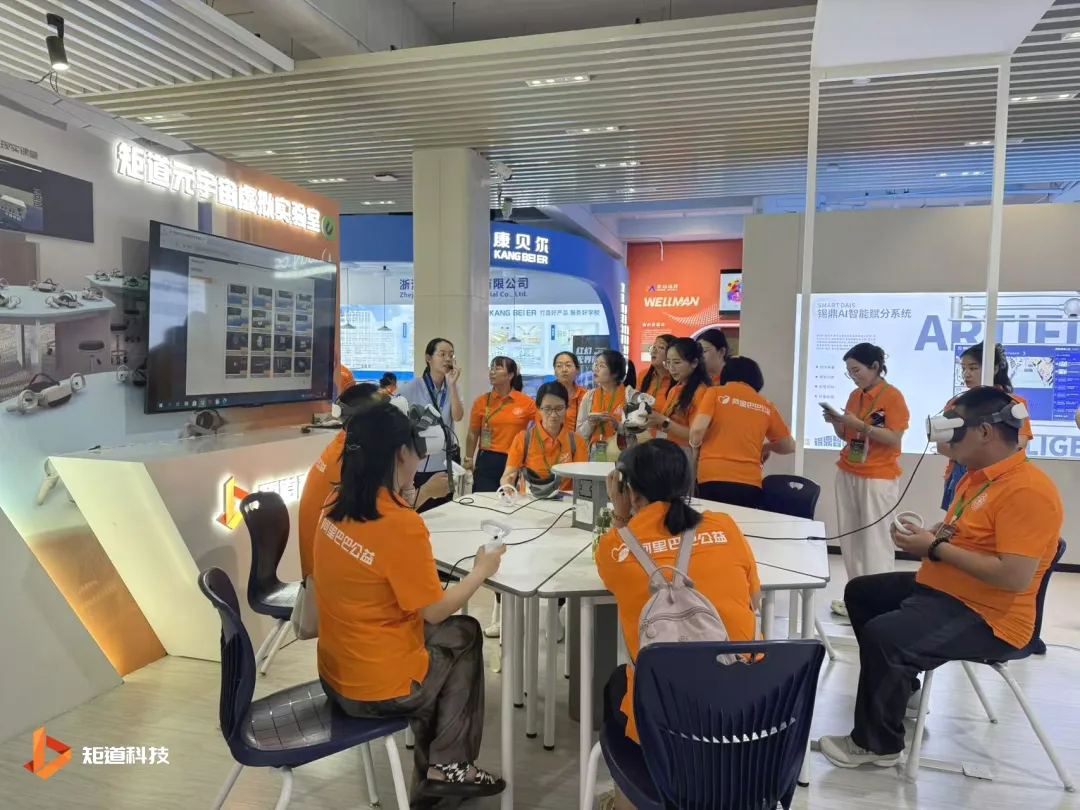
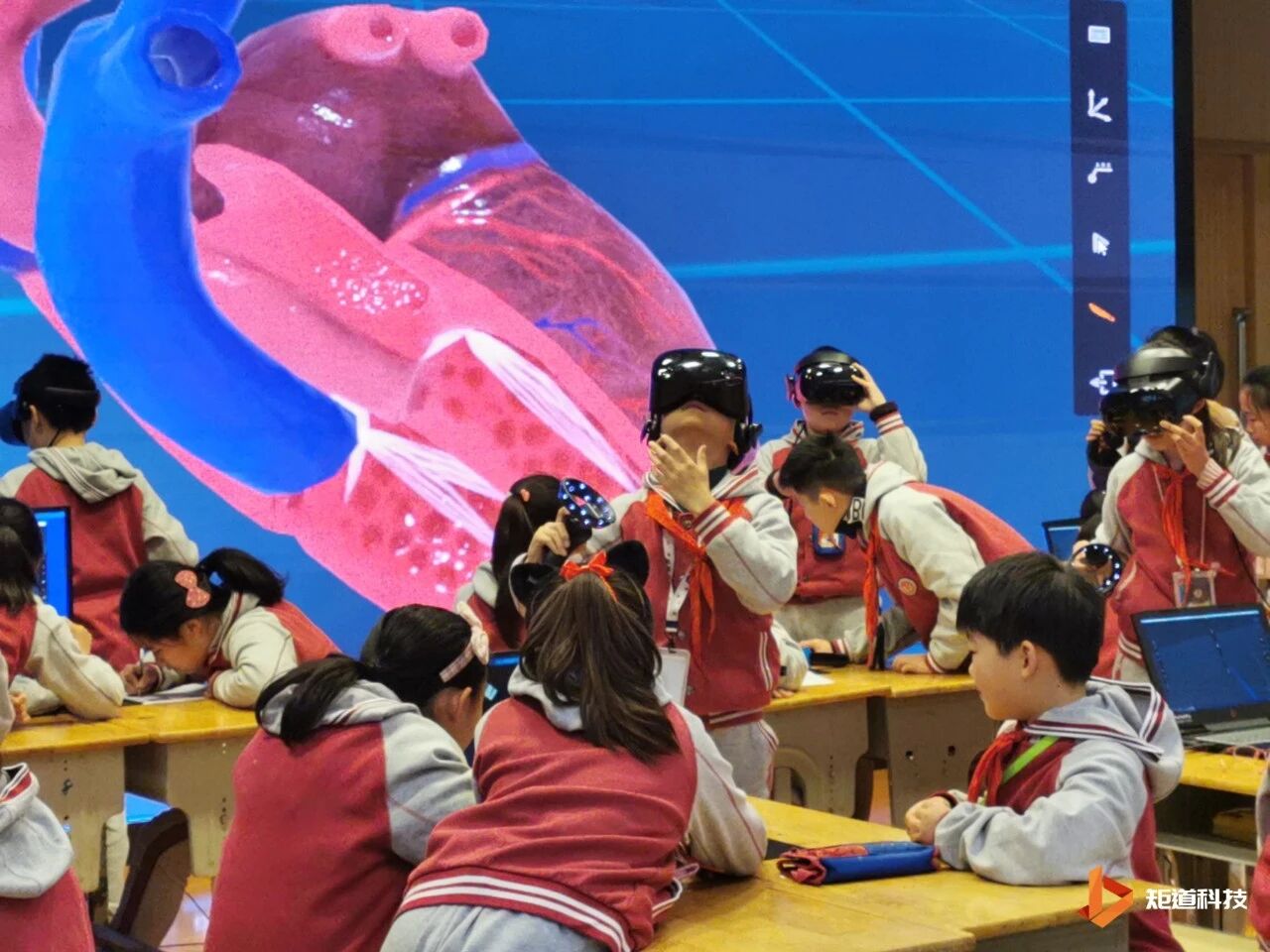
During interactive sessions, teachers can guide students into virtual scenarios with questions, letting them explore independently in the immersive classroom to develop practical, observational, and thinking skills. Alternatively, teachers can lead students through corresponding virtual simulation experiment steps in the virtual environment. Students can also work in groups to operate experiments, discuss and summarize phenomena, then present their findings to the class.
Multiple interaction methods are woven throughout, with virtual simulation experiments and immersive classroom activities alternating. The classroom shifts from "teacher talks, students listen" to students "learning by doing" in a dynamic VR Classroom environment.
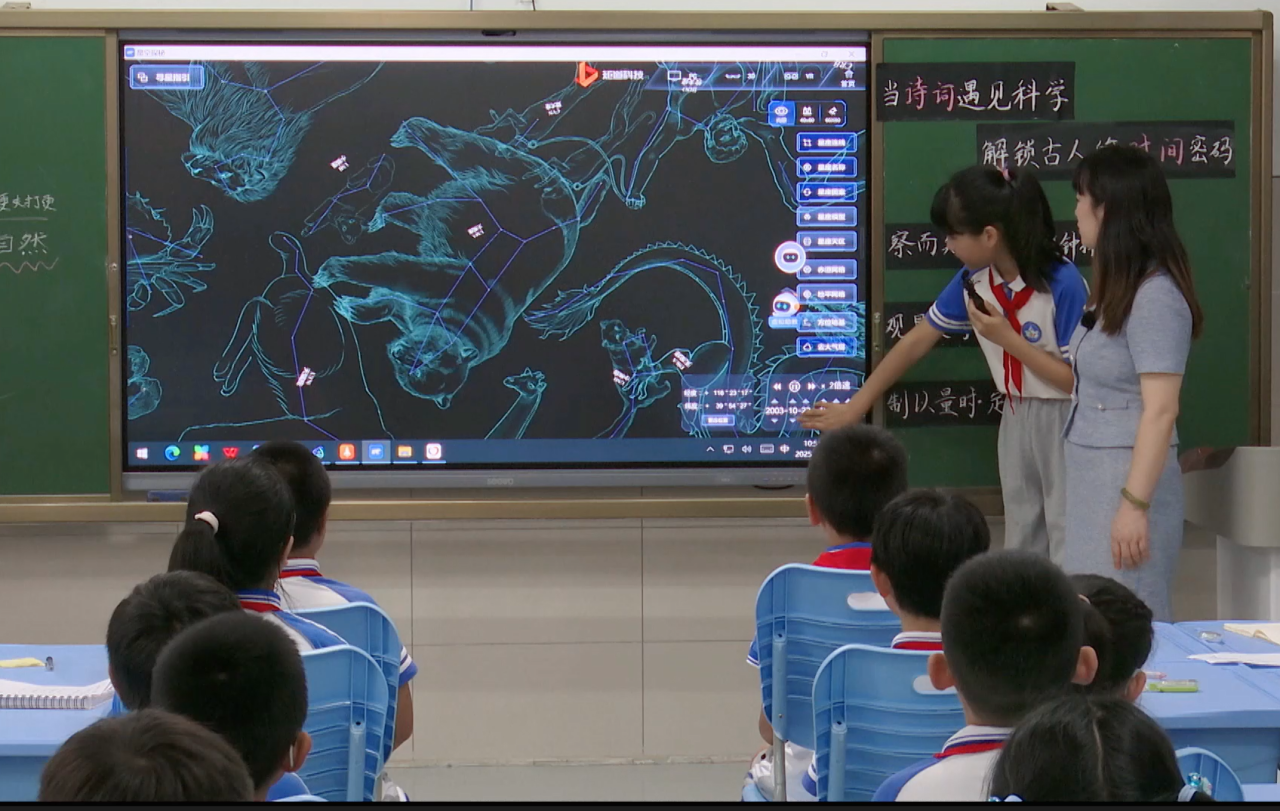
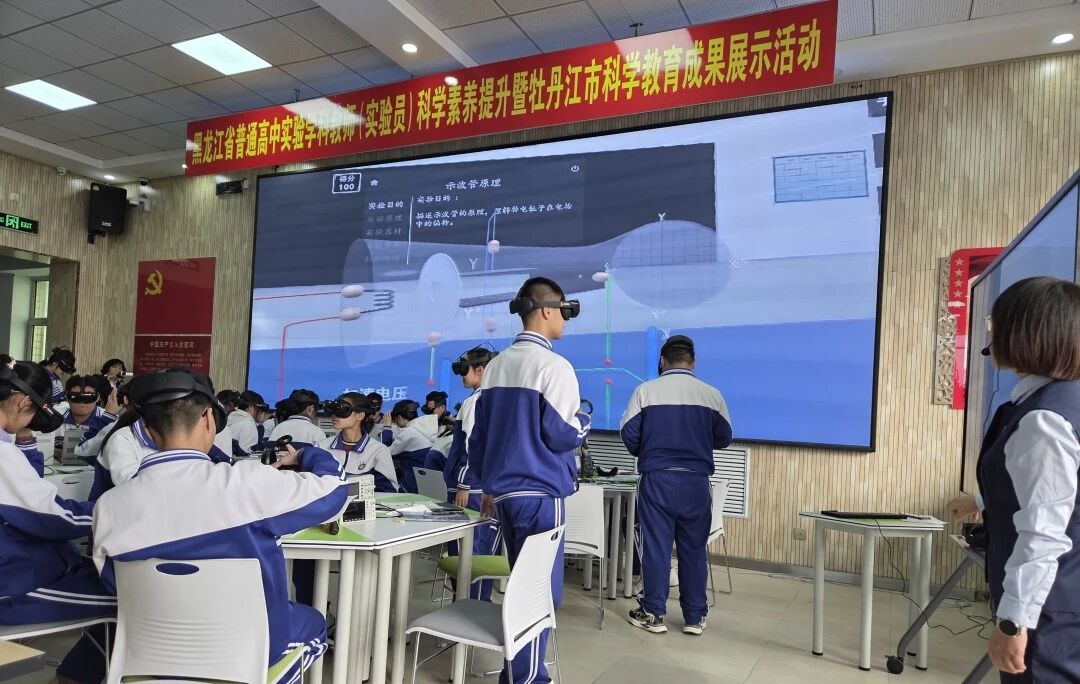
For students, the most intuitive change is that abstract knowledge becomes visible and tangible, lowering the threshold for understanding. Students can follow along and are willing to speak up, their confidence and enthusiasm for answering questions increases, and the classroom atmosphere becomes more lively.
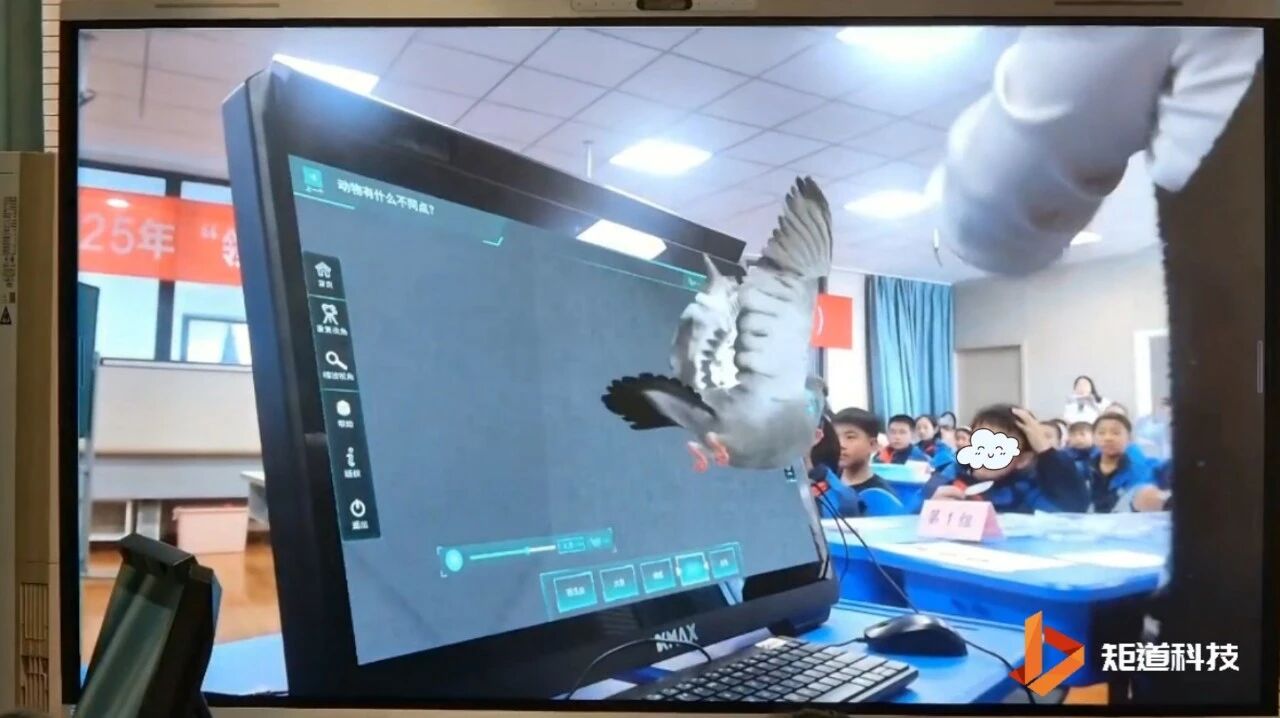
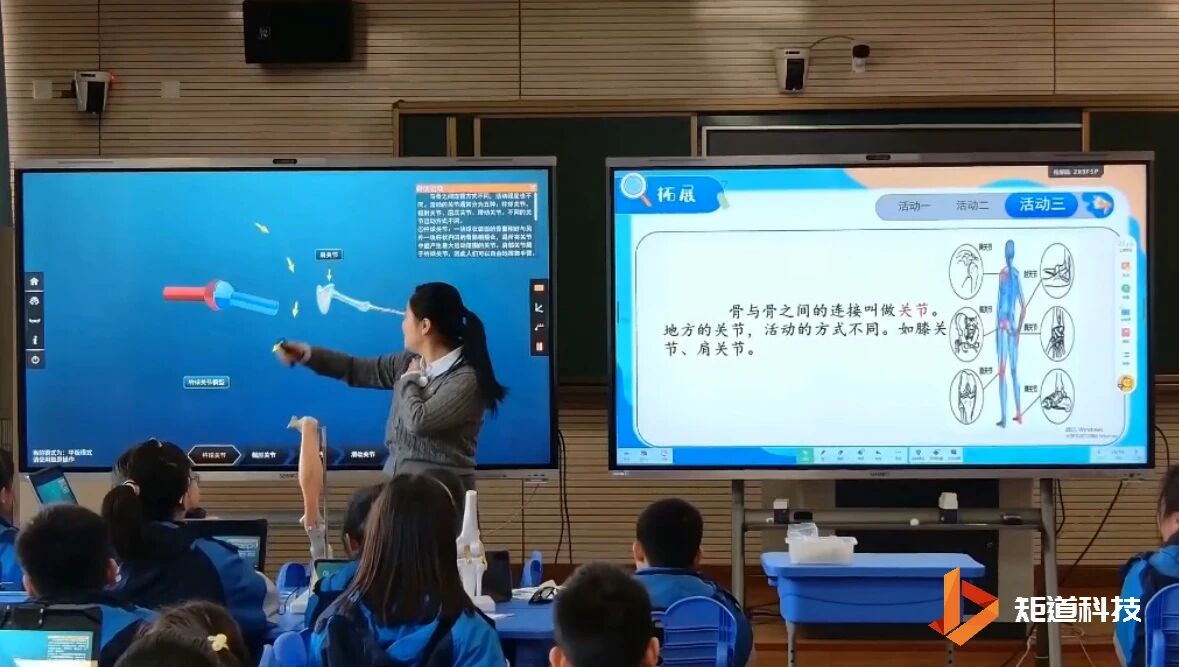
For teachers, AI + virtual simulation digital courses balance subject depth and breadth, leaving more creative space for instructional design. Teachers can use them to present key and difficult concepts in context, design more interactive course content based on their own teaching characteristics, and integrate digital literacy into concrete classroom practice.
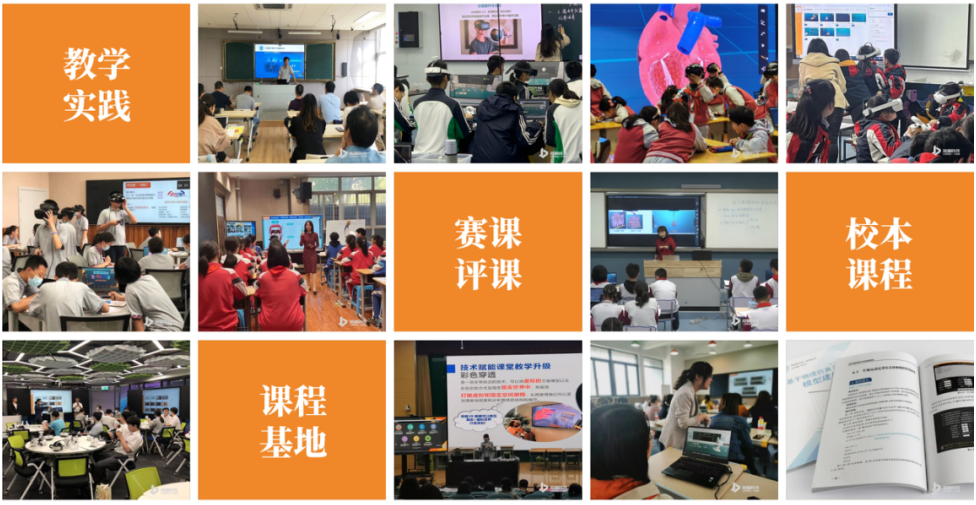
For teachers who are worrying about public lessons, teaching competitions, or lesson evaluations — why not try the new path of AI + virtual simulation empowered teaching?