VReaLab Biology Micro World

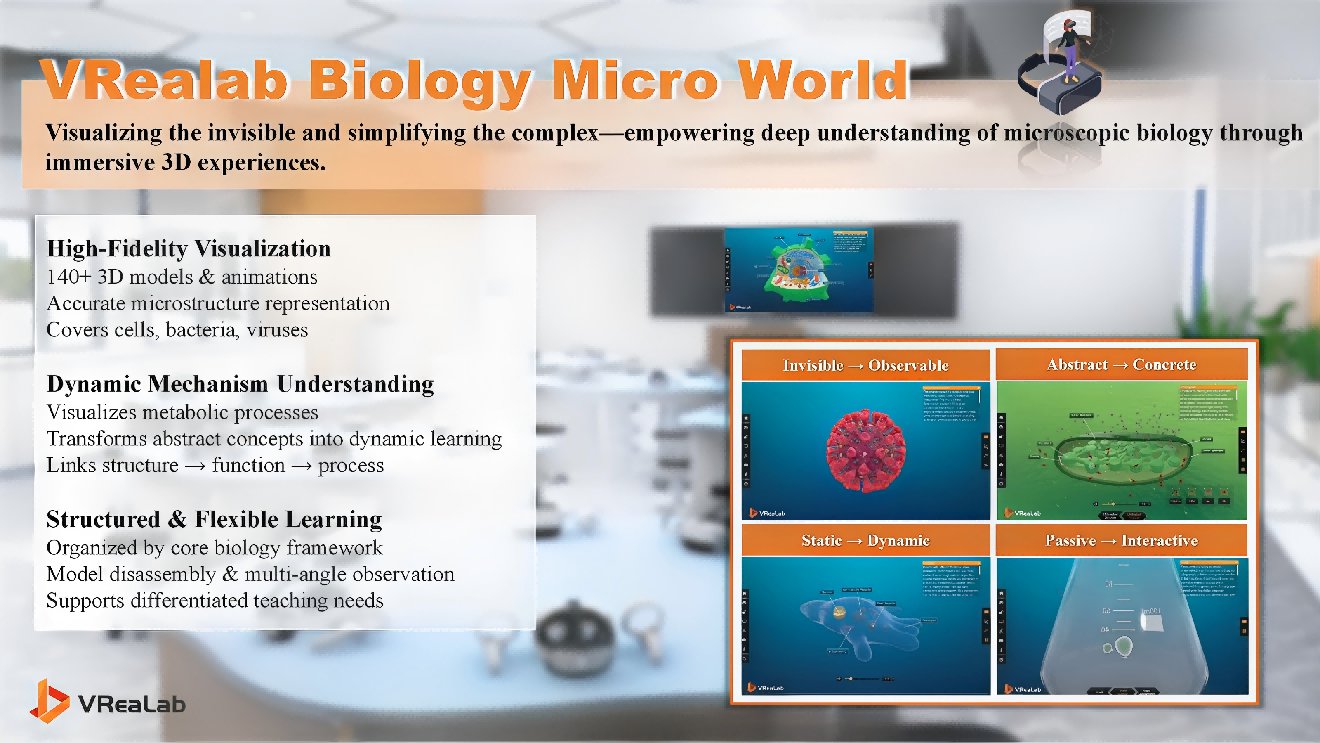
Visualizing the invisible and simplifying the complex, empowering deep understanding of microscopic biology through immersive VR/3D experiences.

Compatible hardware:
Windows PCPICO Neo3 EnterprisePICO 4 Ultra Enterprise
Free Trial

What VR/3D Changes in Biology Micro World Learning

VR/3D makes biology visible, accessible, hands-on, and relevant for every young learner.

  • Comprehensive Microscopic Coverage

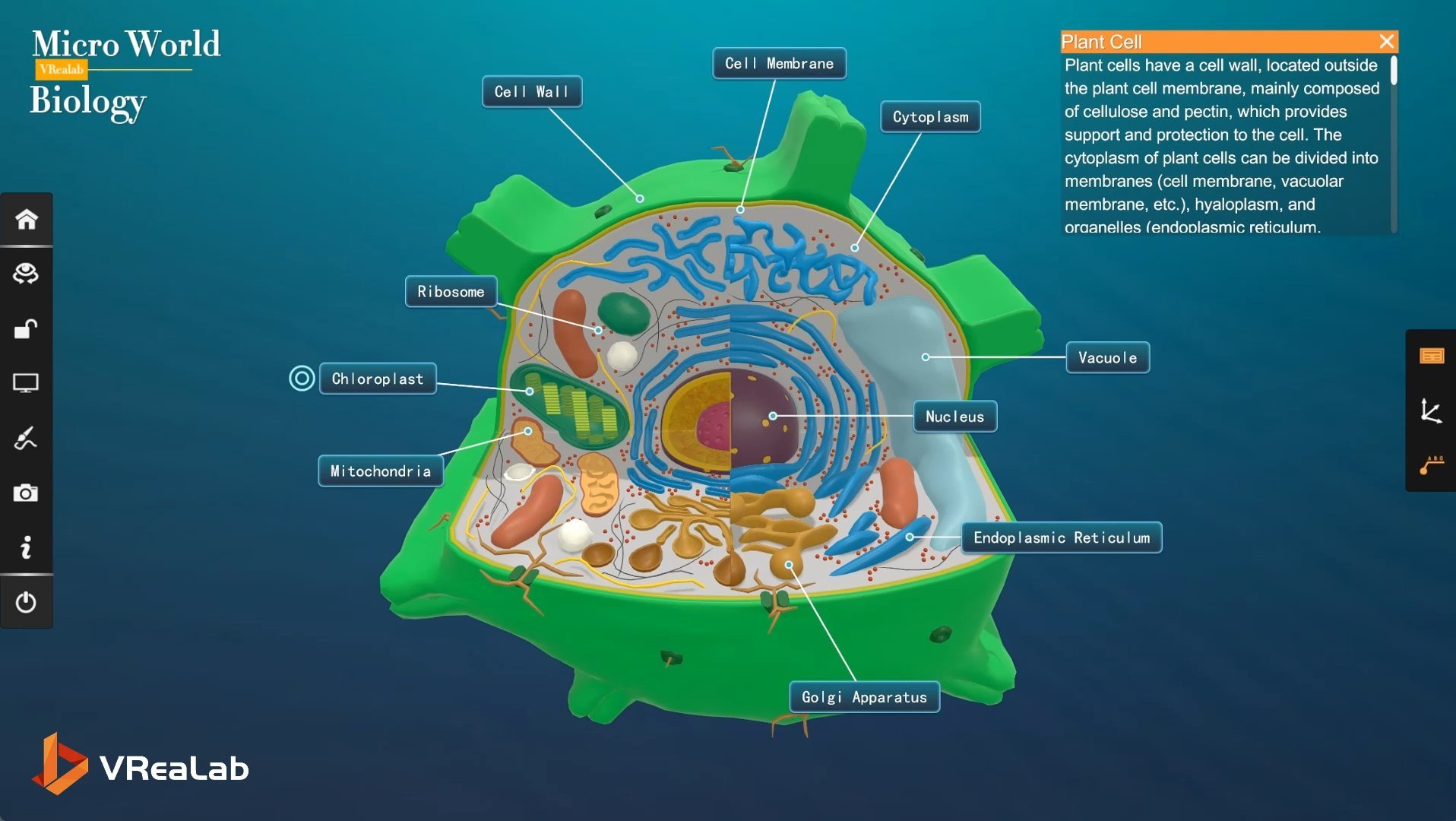
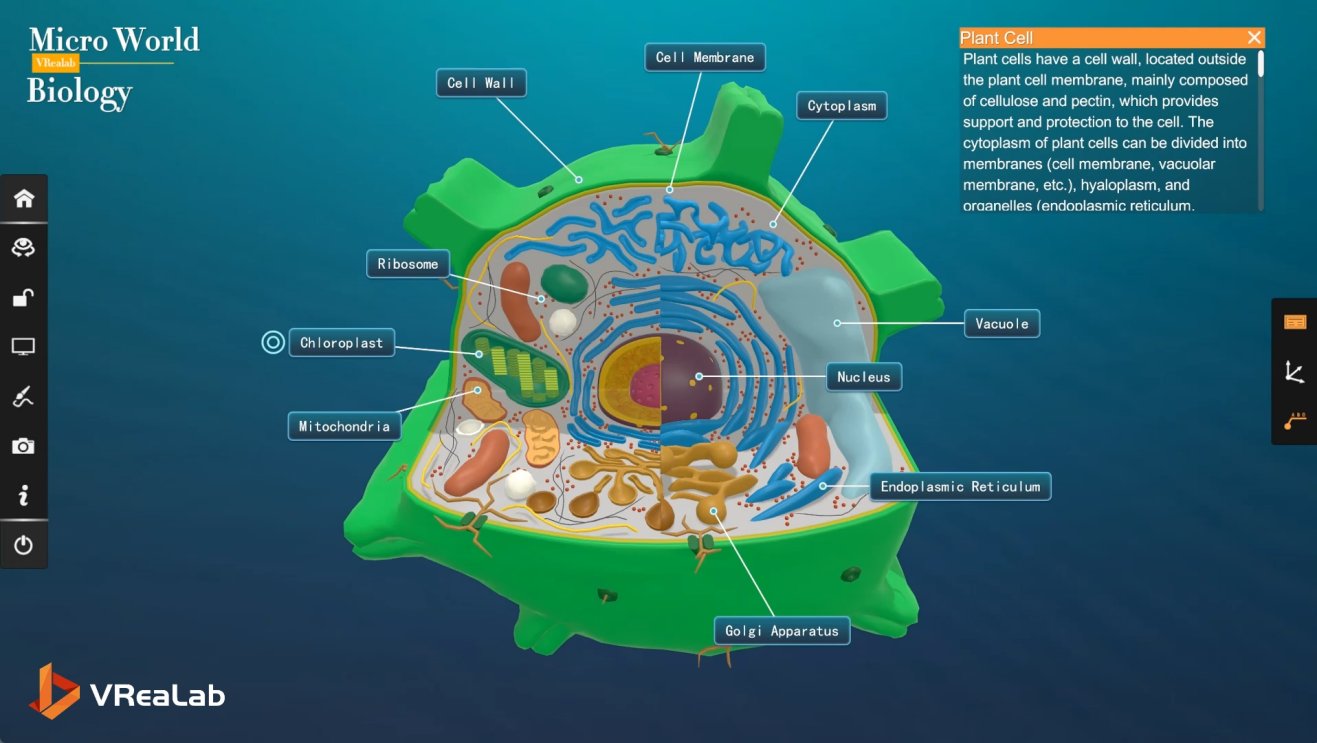
    Covers core microscopic biology, including cells, bacteria, viruses, and biomolecular structures.

  • Dynamic Biological Processes

    Presents cellular activities and metabolic processes through real-time 3D visualization and animation.

  • Multi-Scale & Multi-Angle Exploration

    Supports structural decomposition, zooming, and multi-perspective observation for in-depth understanding.

  • Interactive Learning Tools

    Provides immersive interaction, labeling, and manipulation functions to support inquiry-based exploration.

VReaLab Biology Micro World — Three Themes

Digital curriculum spanning microorganisms, molecules and cells, and genetics and evolution.

Microorganisms

Visualize the microscopic structures and key functions of microorganisms that are difficult to observe directly, including fungi, bacteria, algae, protozoa, mycoplasma, chlamydia, and rickettsia.

Novel Coronavirus

A nanoscale 3D exploration of the coronavirus (like spike proteins and RNA) to understand how viral infection works.

Key Advantage: By visually interacting with the virus, students gain a deeper understanding of how spike proteins bind to human cell receptors, demystifying the mechanisms of viral infection.
Molecules and Cells

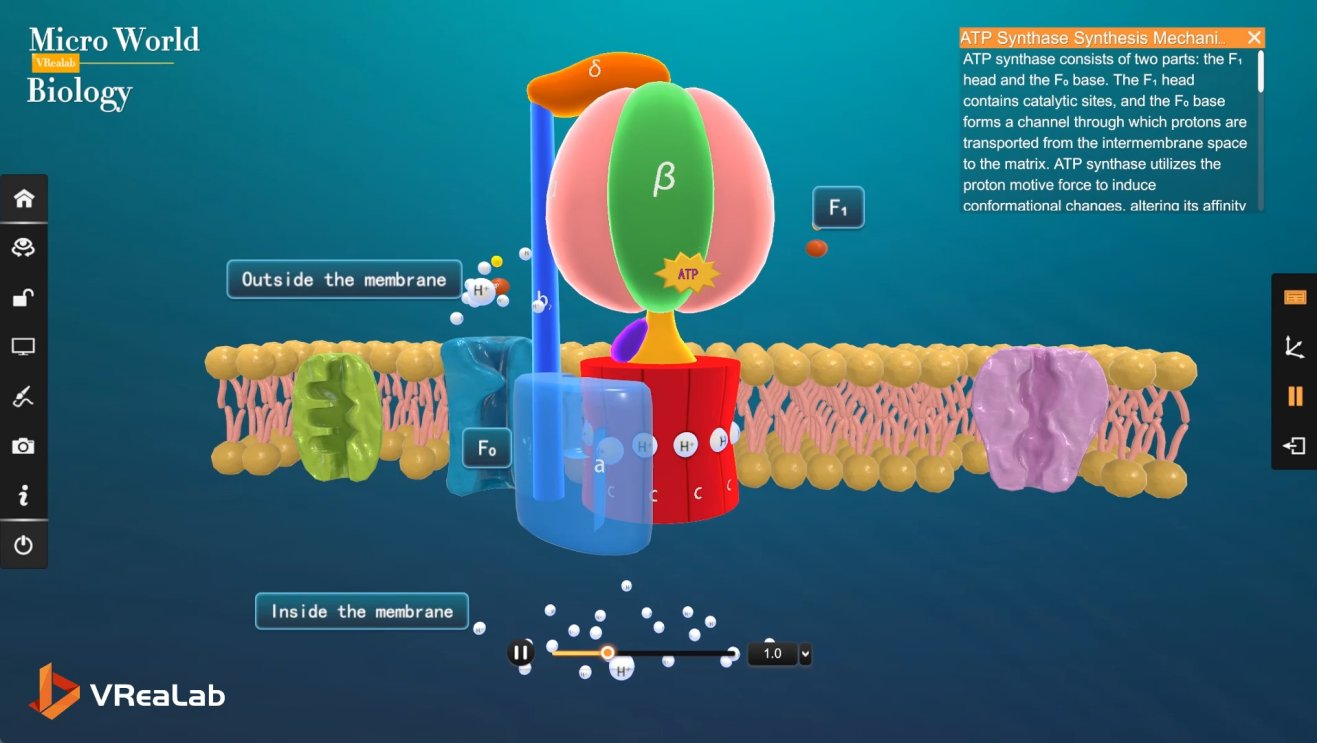
Explore cell structures, molecular components, material transport, energy use, and cell life processes through clear and interactive visualizations.

Chloroplast

An inside look at a plant cell's "power factory," visualizing thylakoids and the molecular flow of photosynthesis.

Key Advantage: Turns complex biochemical pathways into a dynamic visual factory, helping students grasp how light energy is converted into chemical energy to sustain life on Earth.

Genetics and Evolution

Understand the cellular and molecular basis of genetics, including chromosome behavior, gamete formation, DNA structure, and RNA structure.

Chromosome

A zooming journey from the macro-chromosome down to the nucleosomes and the DNA double helix to grasp genetic packaging.

Key Advantage: Bridges the gap between macro-structures and molecular biology, allowing students to visualize how nearly two meters of DNA can be perfectly folded into a single microscopic cell nucleus.

Redefining Biology Education

Transforming Passive Biology Lessons into Active 3D Explorations

Transforming Passive Biology Lessons into Active 3D Explorations

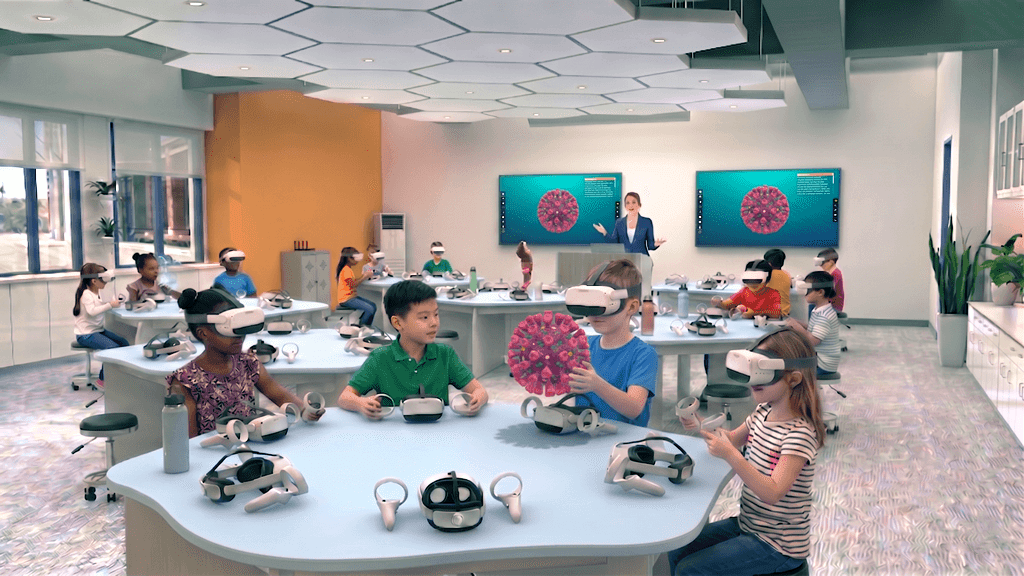
Exploring Virus Types and Structures in VR

Using immersive VR visualization to help students explore different types of viruses and understand their microscopic structures. Through interactive 3D models, students can observe viral components and structural features in a clear, vivid, and engaging way, helping students build a clear understanding of virus classification, structural diversity, and the relationship between viral structure and function.

Reimagining Biology Education through Immersive Visualization and Interdisciplinary Exploration

Reimagining Biology Education through Immersive Visualization and Interdisciplinary Exploration

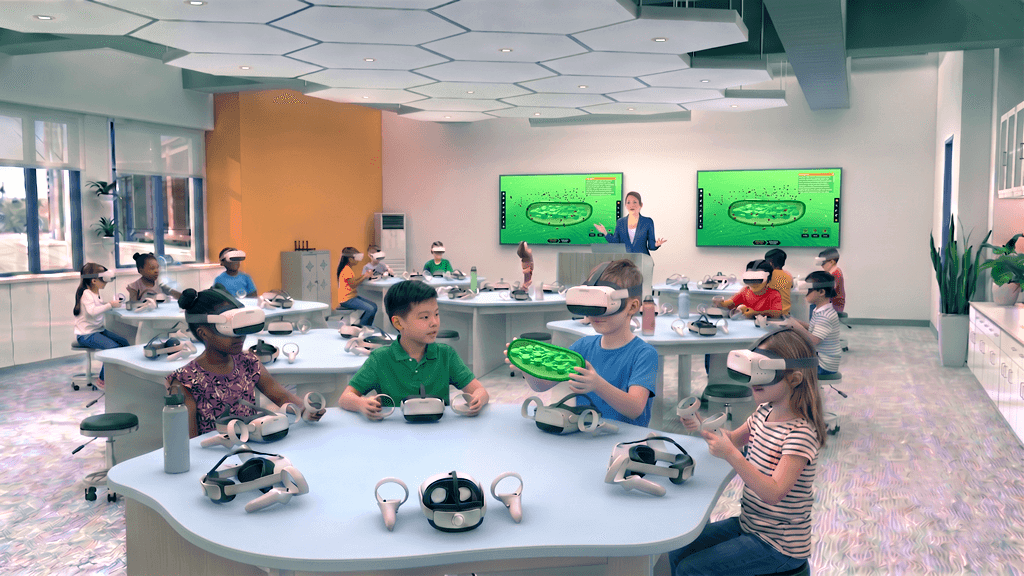
Active Transport in Cells: An Interdisciplinary VR Course

This interdisciplinary course explores the mechanism of active transport in cells through biology, chemistry, physics, and health-related perspectives. Using interactive visualizations and inquiry-based activities, students learn how cell membranes use energy to move substances against a concentration gradient, helping students develop a deeper understanding of cell metabolism, energy use, and the relationship between structure and function.

Related News

View all news