Reaction of Iron Wire with Oxygen: Safer Learning in a VR Chemistry Lab
The iron wire combustion experiment is a classic in junior high chemistry — and a classic safety concern. A VR Chemistry Lab moves the reaction into a safe, repeatable virtual lab simulation where every student can see the sparks and understand the science.
In junior high chemistry, the reaction of iron wire with oxygen is a classic demonstration. It is also a classic source of frustration. Real glassware, open flames, and molten sparks create safety concerns, while the actual burning moment lasts only seconds and is hard for every student to see clearly. Textbook diagrams show the result, but they cannot show the process. A VR Chemistry Lab solves these problems by moving the experiment into an immersive, repeatable virtual lab simulation where students can observe, compare, and understand the reaction without risk.
Safety First: Remove the Hazard Without Losing the Science
A live demonstration of this reaction needs an alcohol lamp, glowing iron wire, flying sparks, and a gas jar filled with pure oxygen. Any one of these elements can create anxiety in a crowded junior high classroom. In the virtual lab simulation, all of those hazards stay on the screen. Students light the alcohol lamp, heat the coiled iron wire, and watch the wire glow red hot. They can stand as close as they want, rotate the scene, and repeat the step as many times as necessary. Nothing breaks, nothing burns, and nothing distracts the class from the chemistry. Teachers can therefore focus on explanation instead of crowd control.
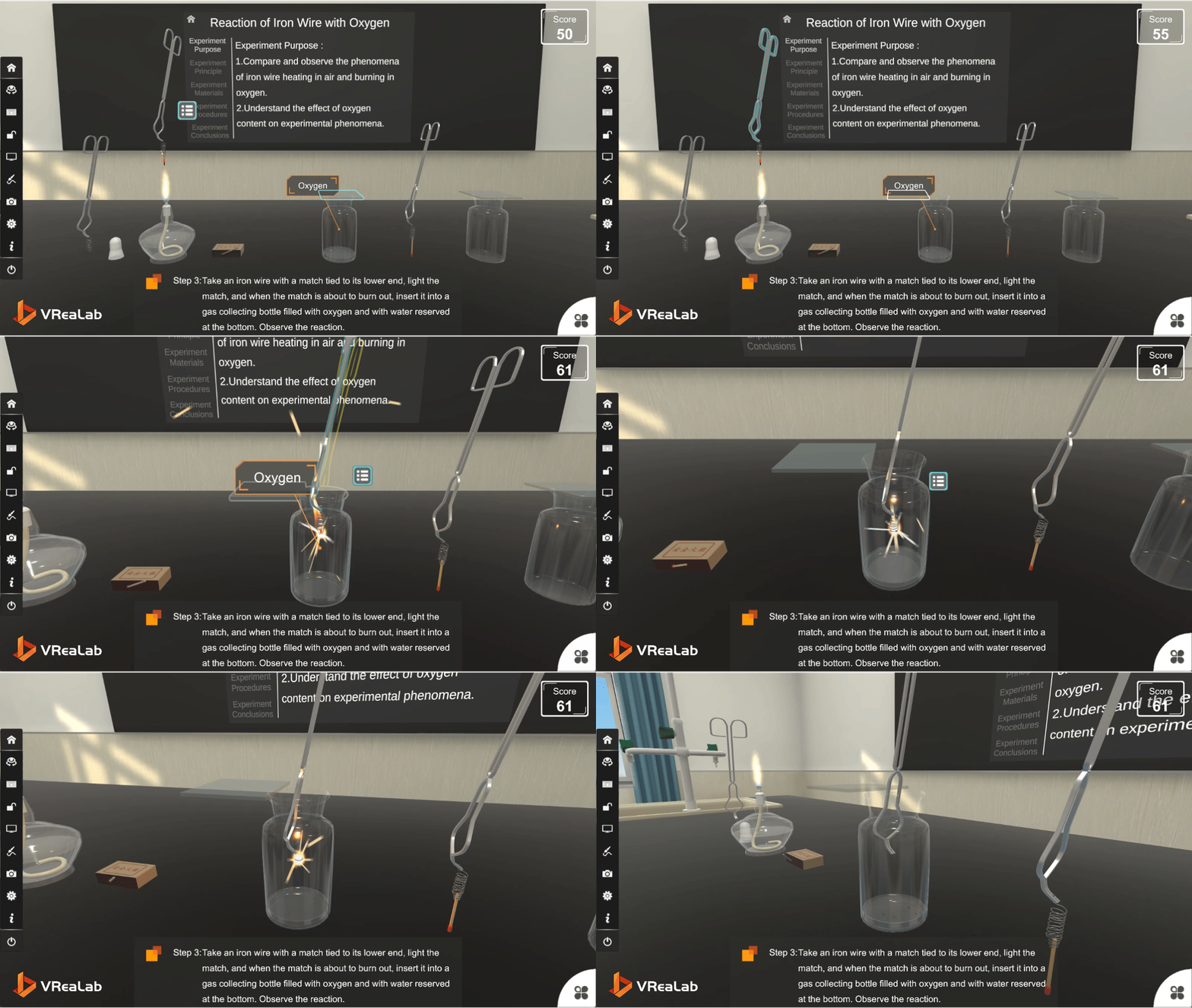
Figure 1. VR lab experiment: Reaction of Iron Wire with Oxygen
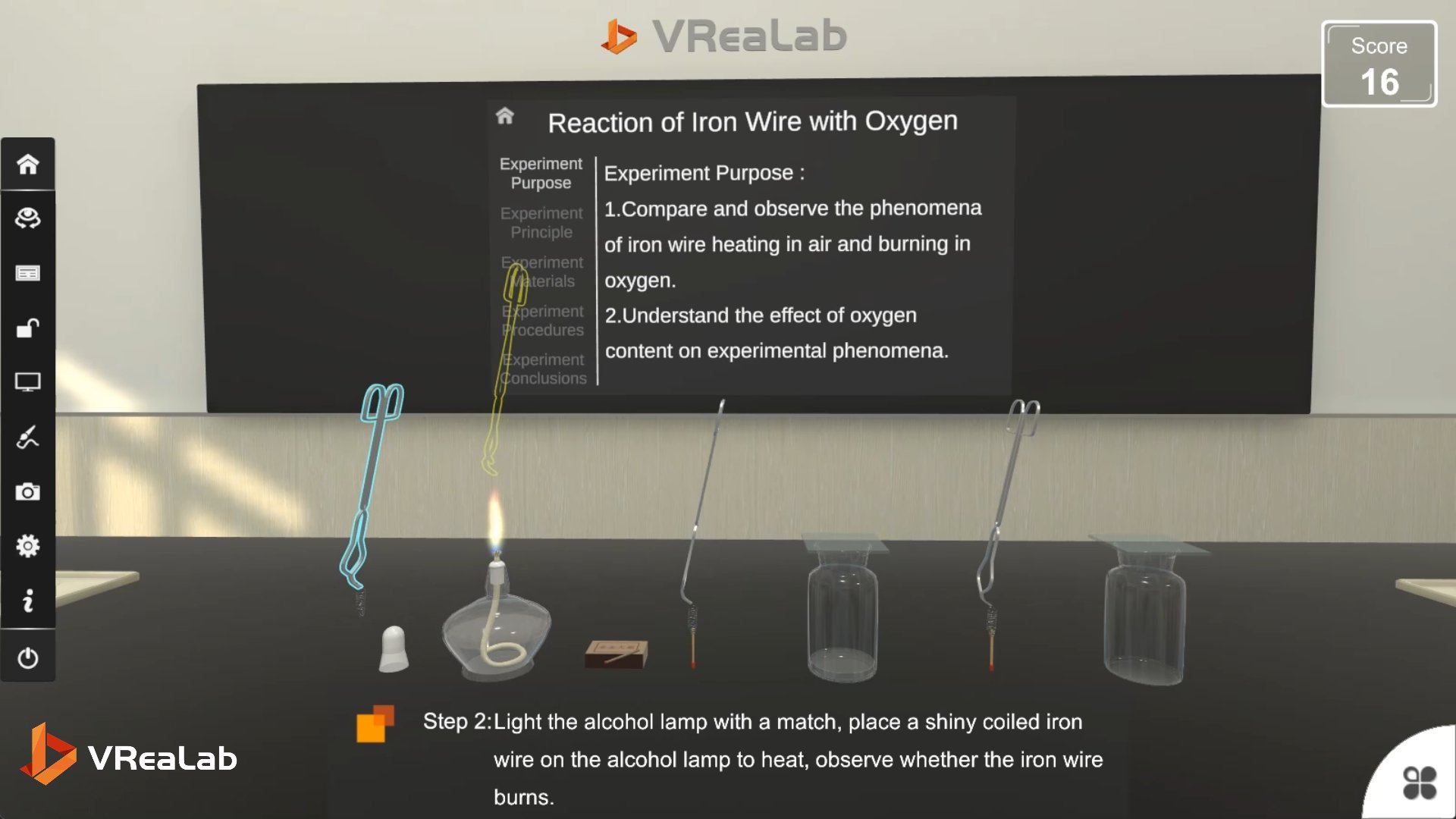
Figure 2. Lighting the alcohol lamp and heating the shiny coiled iron wire in the VR Chemistry Lab.
Phenomenon Comparison: Air vs. Oxygen
The core learning goal is to compare two conditions. In air, the heated iron wire glows but does not burn dramatically because the oxygen concentration is only about twenty-one percent. The reaction is slow and the visual effect is modest. In pure oxygen, the same wire sparks violently and burns with brilliant light because far more oxygen molecules are available to react with the hot iron surface.
In a VR Chemistry Lab, students perform both trials back to back. They see the slow oxidation in air, then transfer the wire into the oxygen jar and watch the rapid combustion. The contrast is immediate, vivid, and impossible to miss. This side-by-side comparison helps students move beyond memorizing definitions to actually understanding why oxygen matters.
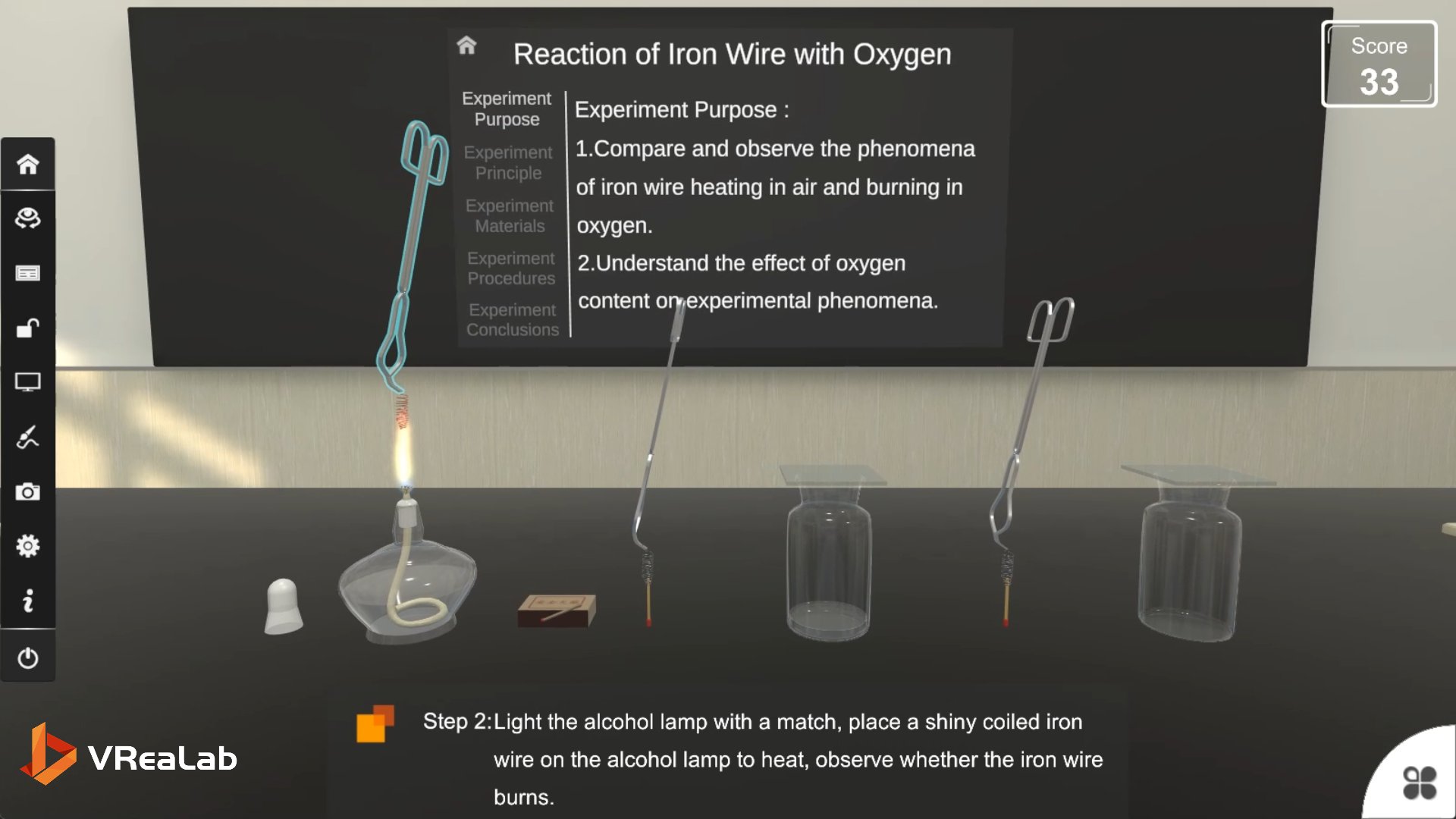
Figure 3. Iron wire heated in air — slow oxidation, no dramatic spark.
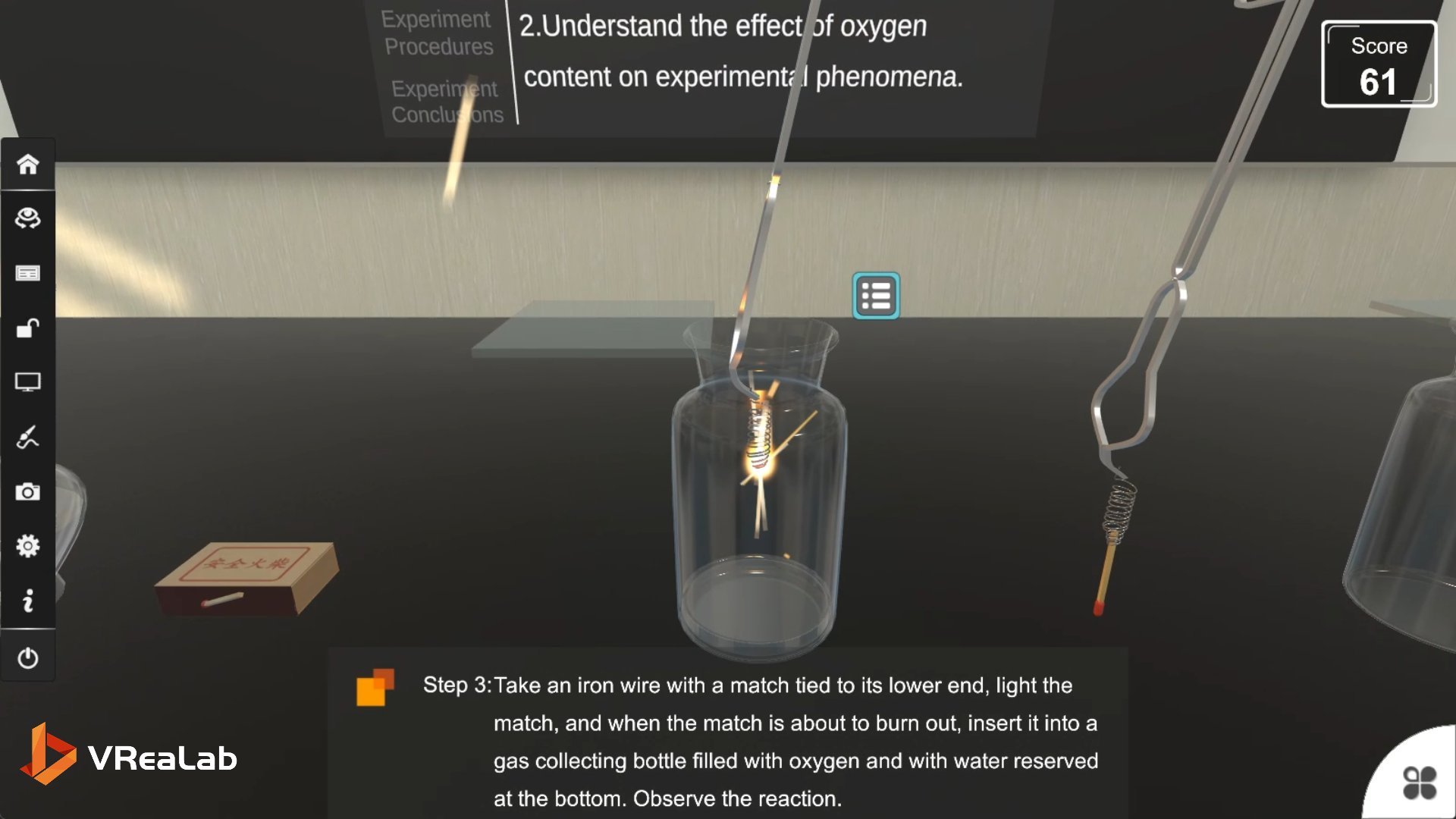
Figure 4. Iron wire burning in pure oxygen — vigorous combustion with bright sparks.
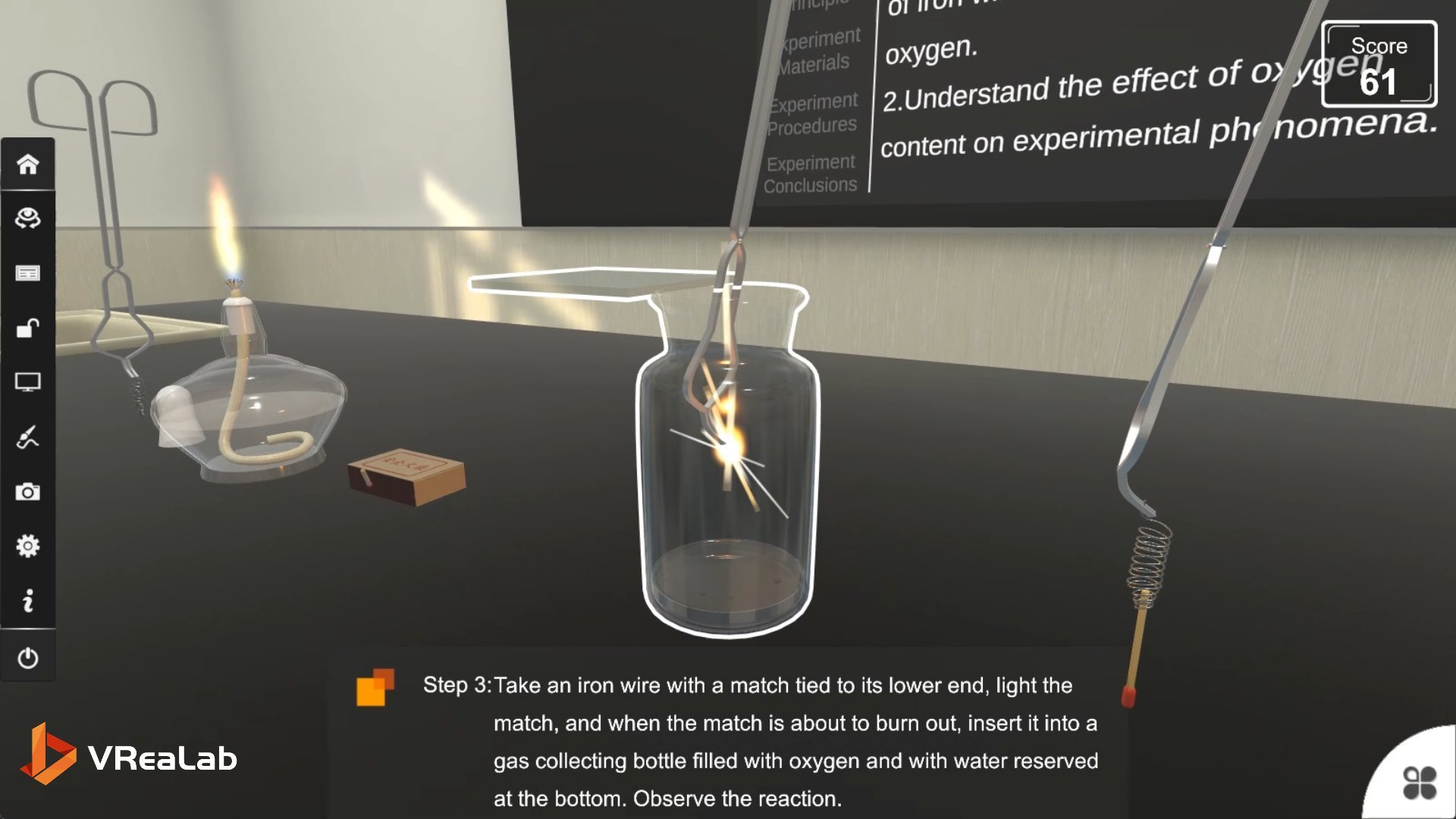
Figure 5. Close-up of the intense sparks produced when iron burns in pure oxygen inside the virtual lab simulation.
Understanding Variables Through Guided Exploration
The virtual lab simulation also lets teachers introduce a controlled variable: water at the bottom of the gas jar. In one trial the bottle contains water; in another it does not. Students observe how the water absorbs heat, protects the glass, and prevents cracking. This turns a simple observation into a real inquiry activity.
Instead of simply watching a demonstration, students ask why one bottle survives and the other cracks. They learn not only that oxygen intensifies combustion, but also why laboratory protocols matter. This kind of guided exploration builds scientific thinking skills that transfer far beyond a single experiment.
Formative Assessment Built In
Another advantage of a VR Chemistry Lab is the integrated scoreboard. Students earn points for completing each step correctly, which gives the teacher an instant view of who followed the procedure and who missed a detail. The experiment becomes both a learning experience and a low-stakes assessment, without any extra grading burden. Teachers can use the scores to decide whether the class is ready to move on or whether another cycle of practice is needed. In this way, the virtual lab simulation supports responsive teaching as well as safe experimentation.
Conclusion
Using a virtual lab simulation for the reaction of iron wire with oxygen keeps the scientific content intact while removing the practical barriers of danger, visibility, and repeatability. Every student can witness the dramatic oxygen burn, compare it with air heating, and understand the role of experimental controls. They can repeat the procedure until they are confident, and they can observe details that would be too fast or too dangerous to study in person. In junior high chemistry teaching, that is a clear advantage that supports both deeper understanding and safer classrooms.