How VR Classrooms Are Bridging the Education Gap in Rural Schools
At Alibaba's rural teacher training program, school principals discovered how VR courses and virtual labs can bring high-quality science education to under-resourced rural schools — closing the urban-rural gap one digital classroom at a time.
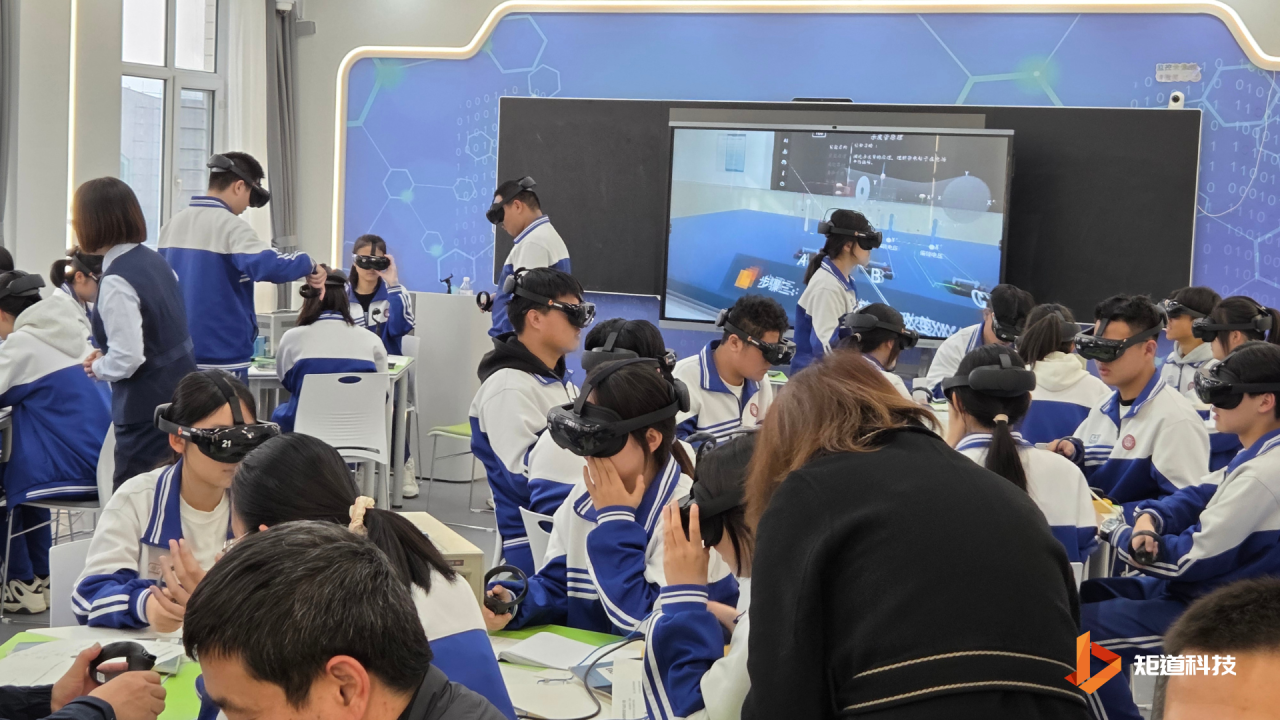
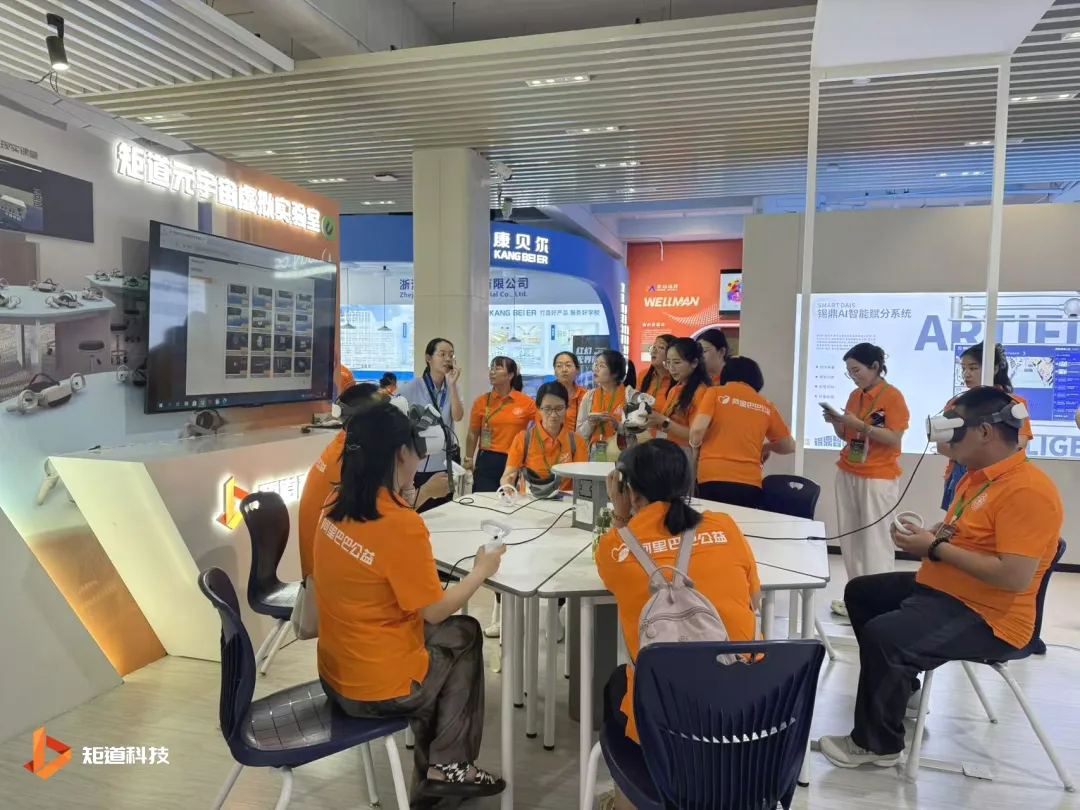
At Alibaba's rural teacher summer training program, principals and administrators from rural schools across multiple regions turned their attention to the practical potential of JuDao's virtual reality classroom solution. For a village school with limited equipment and stretched teaching staff, these solutions address some of the most realistic challenges in daily school operations.
Rural Schools' Greatest Shortcoming: Resources
In reality, the tightest constraint for rural schools is never student enrollment — it's resources. A decent set of laboratory equipment can cost tens of thousands of yuan. Full-time science and chemistry teachers are already in short supply, and many lessons can only be "talked through" rather than "done through." Students rely entirely on imagination to grasp the microscopic structures and natural phenomena in their textbooks.
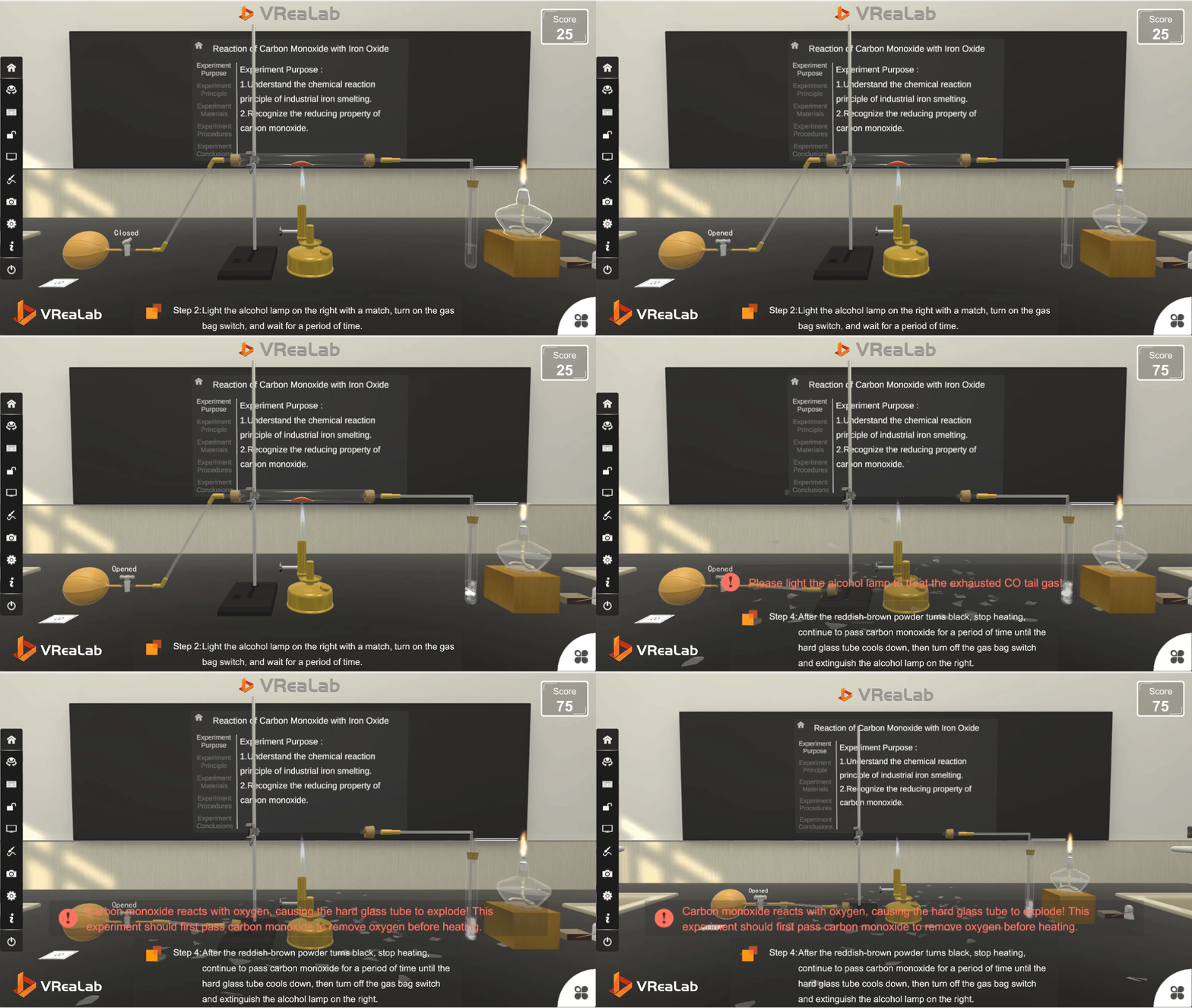
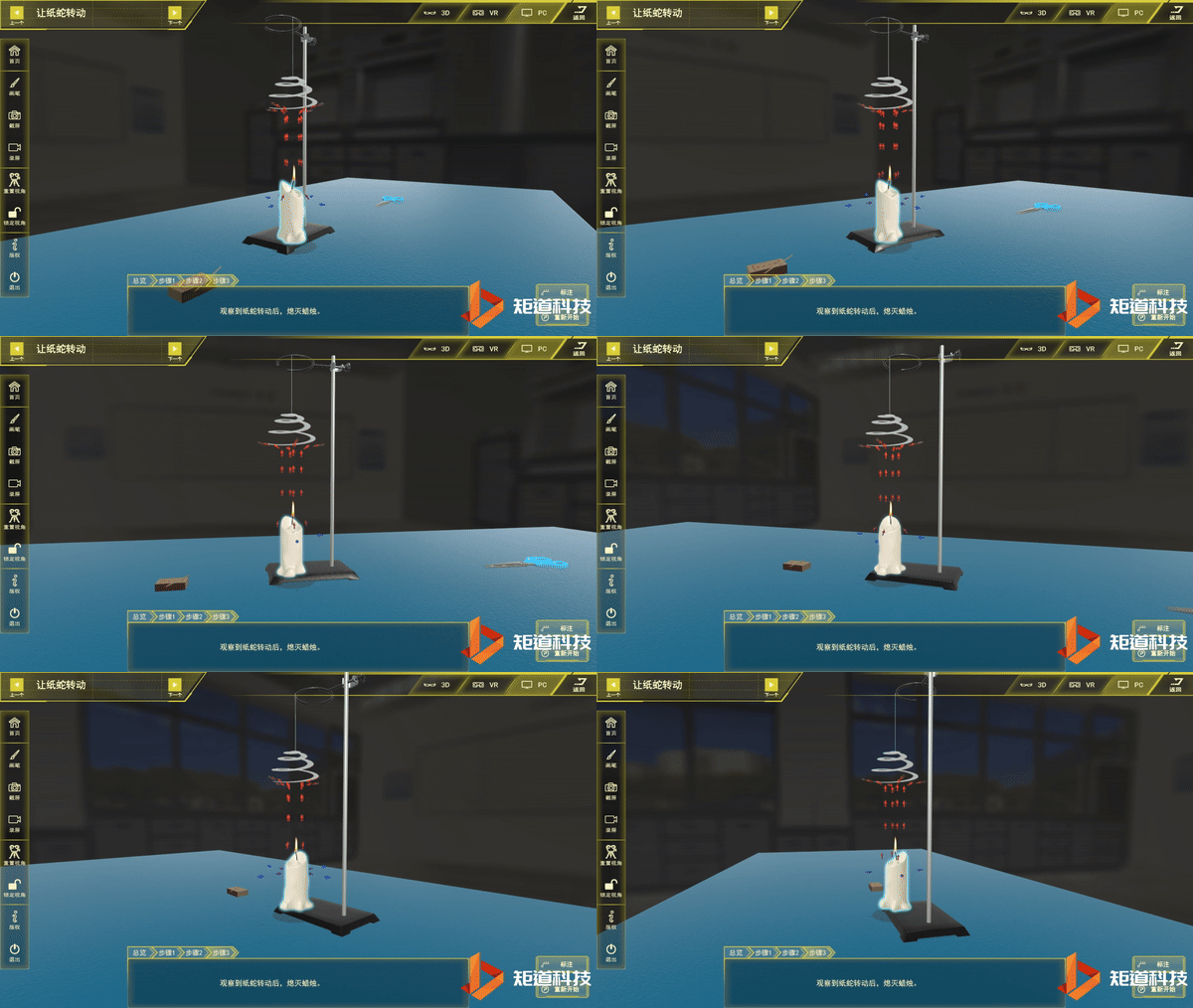
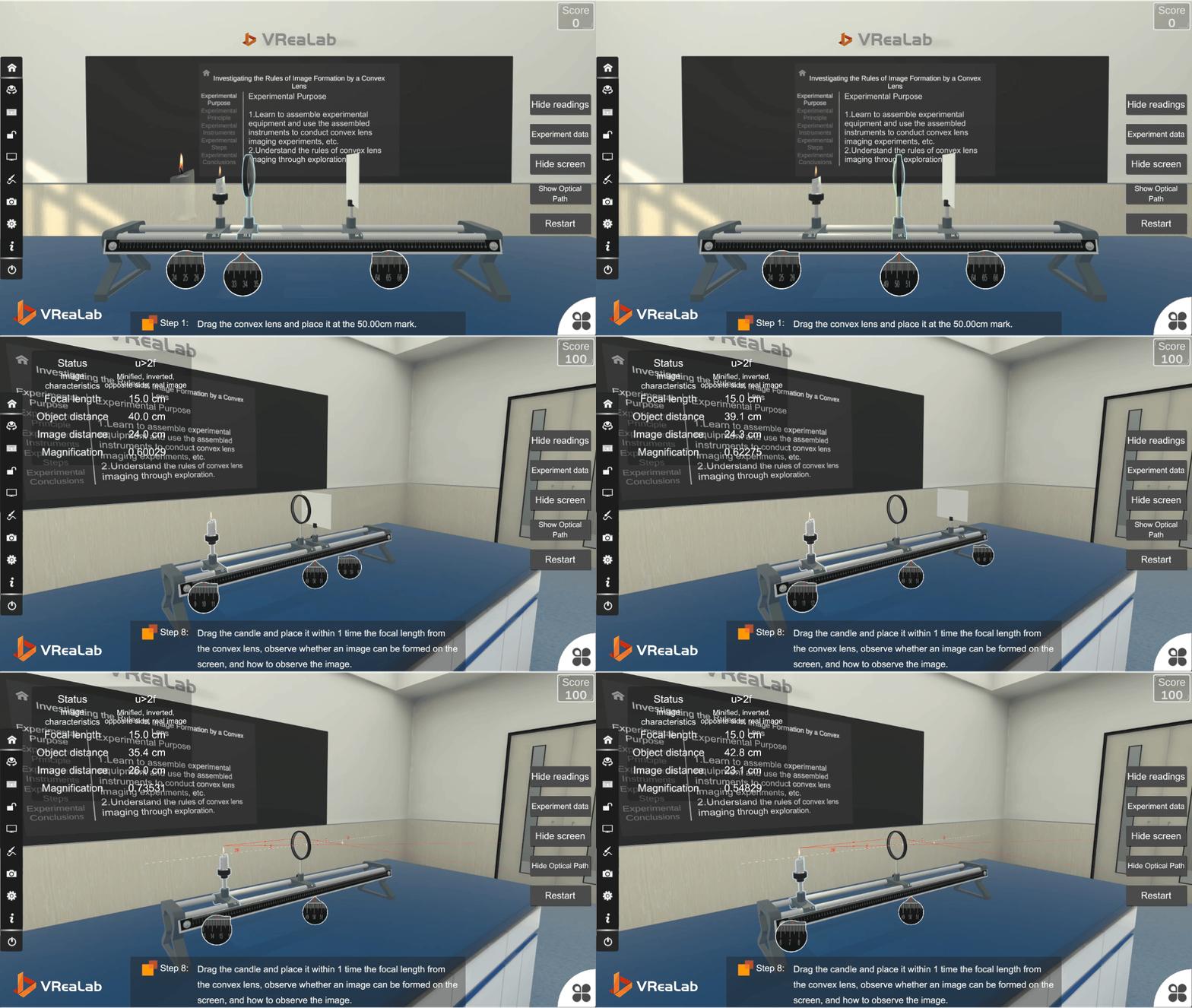
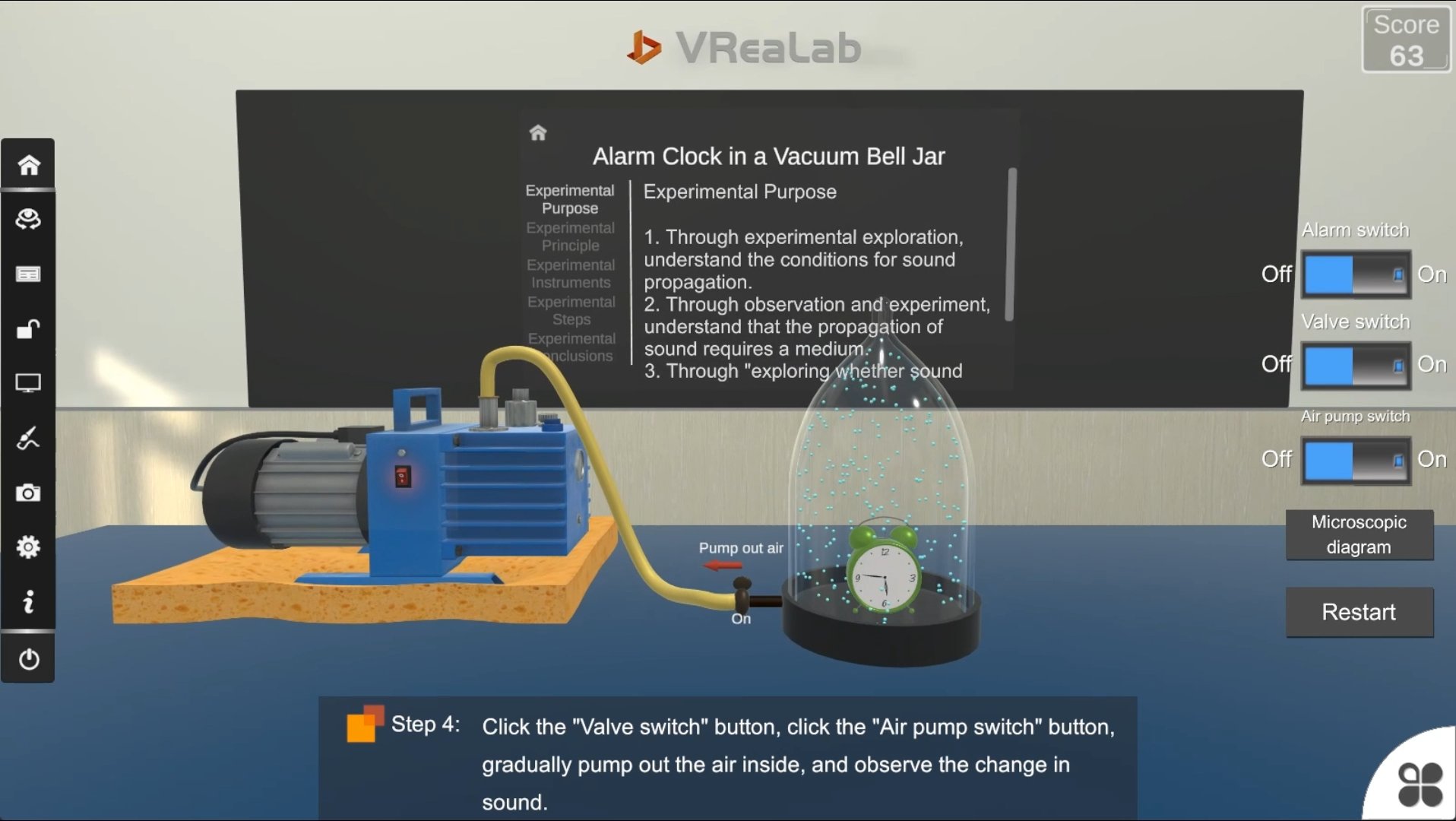
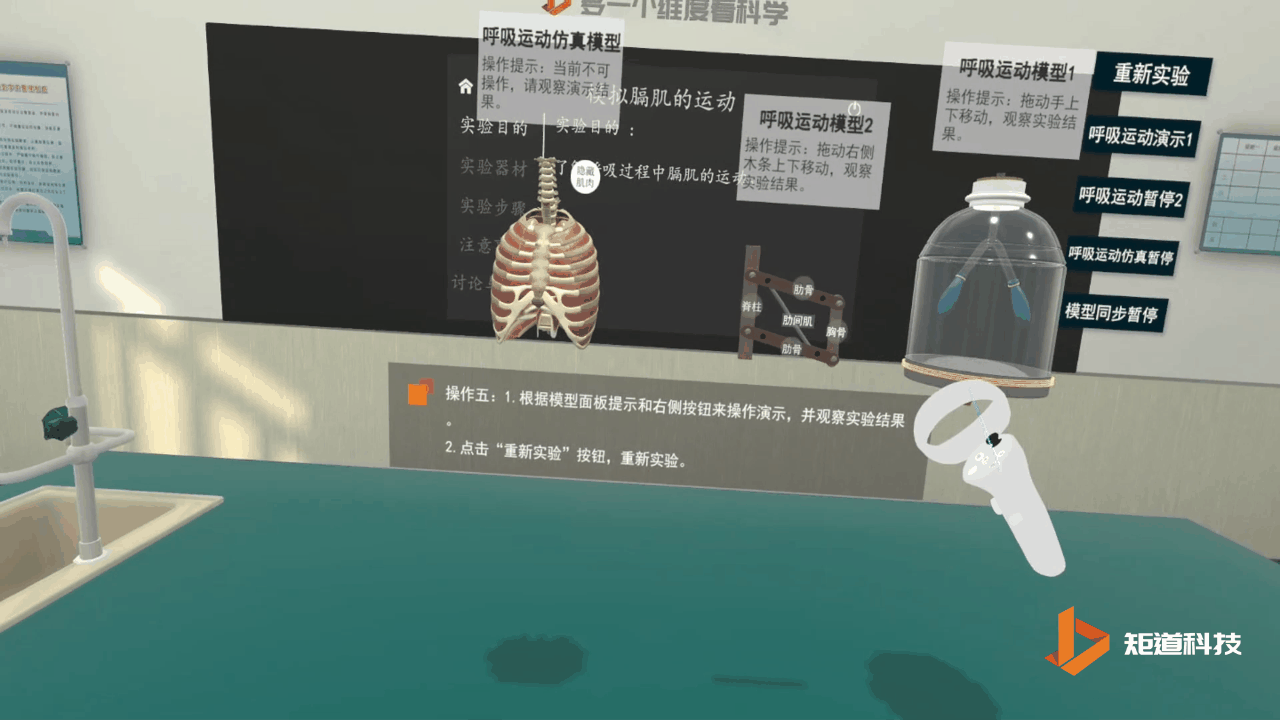
What makes VR classrooms most relevant to these needs is precisely that they bring scenes that couldn't be done, couldn't be seen clearly, and couldn't be entered — right into the classroom. A Virtual Lab levels the playing field, giving rural students the same hands-on experiences their urban peers take for granted.
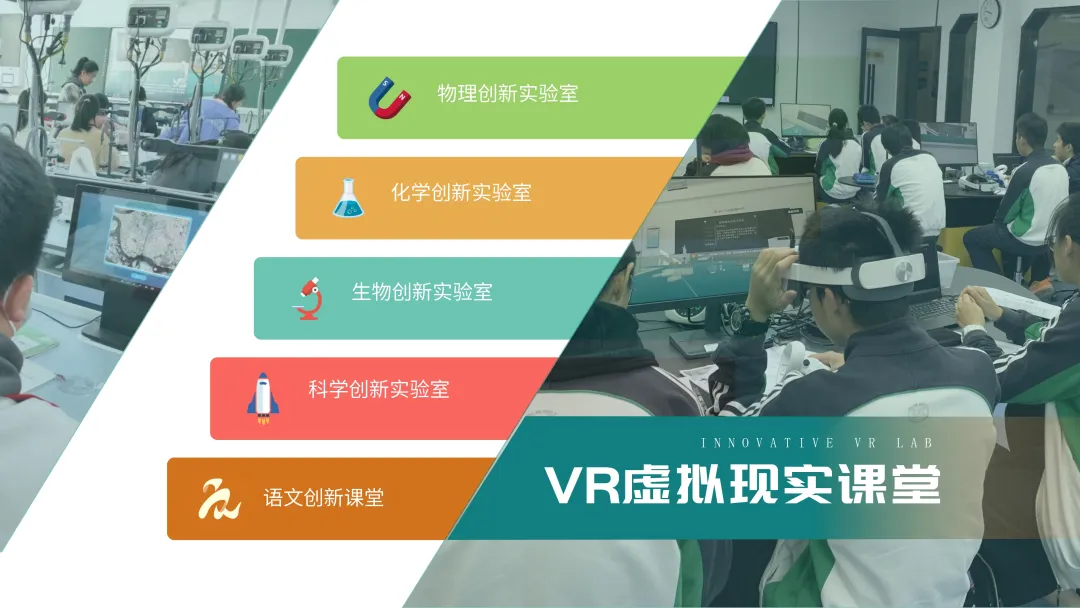
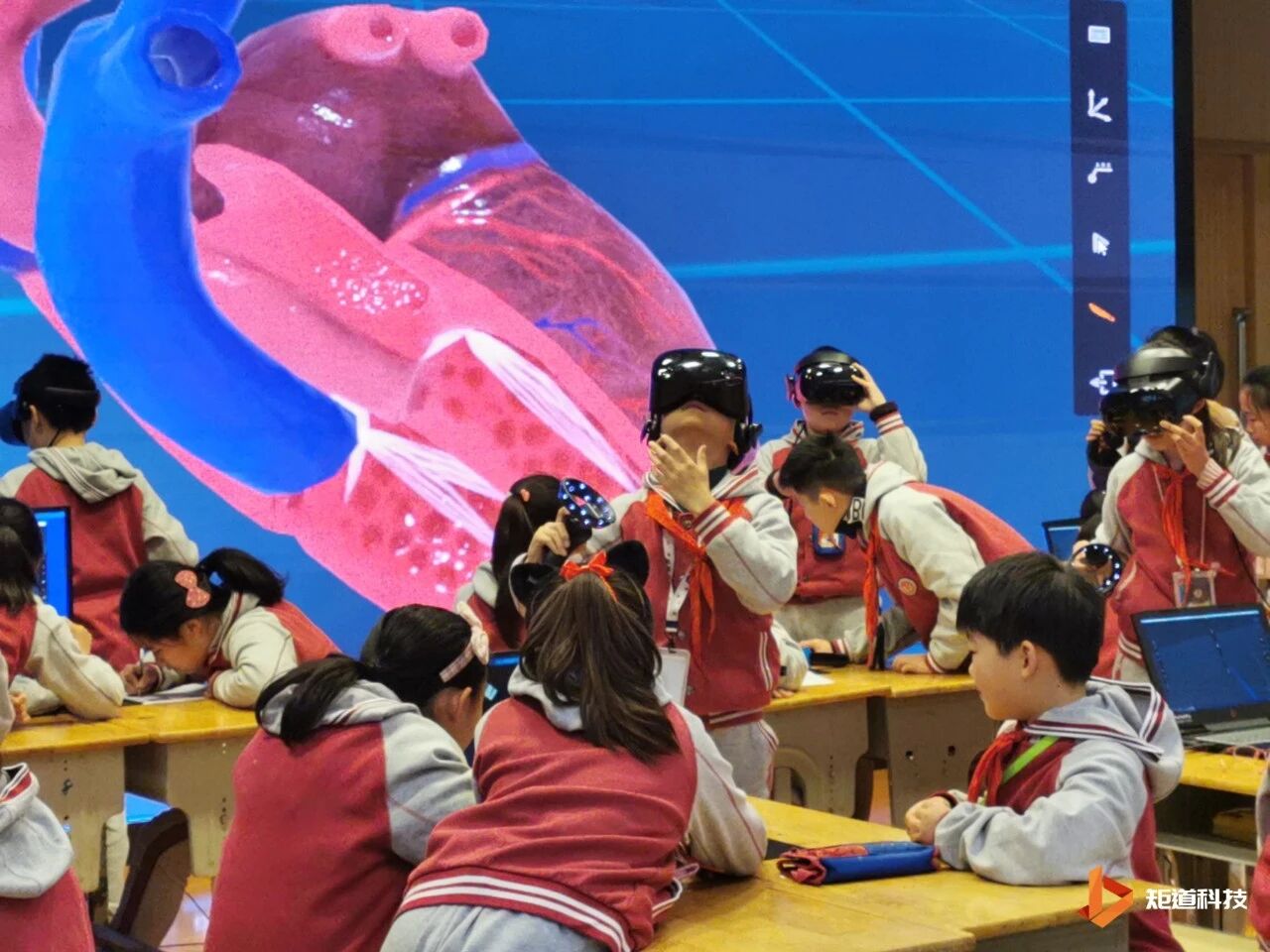
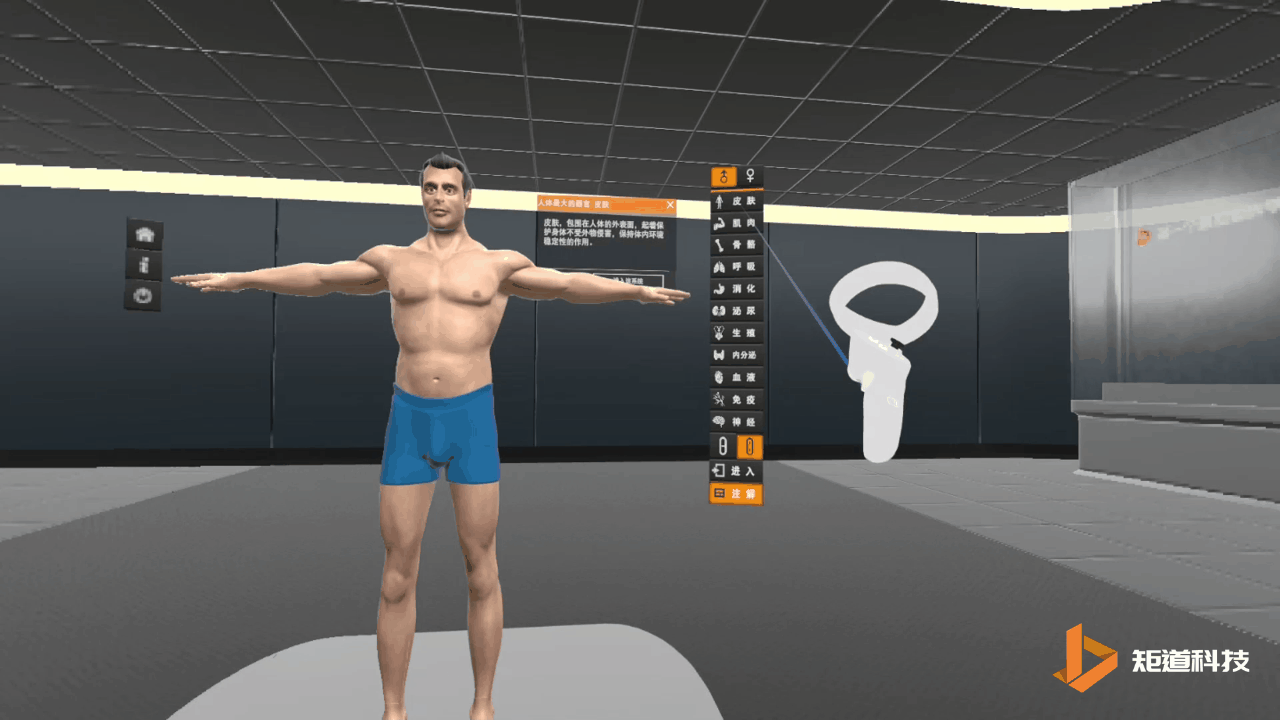
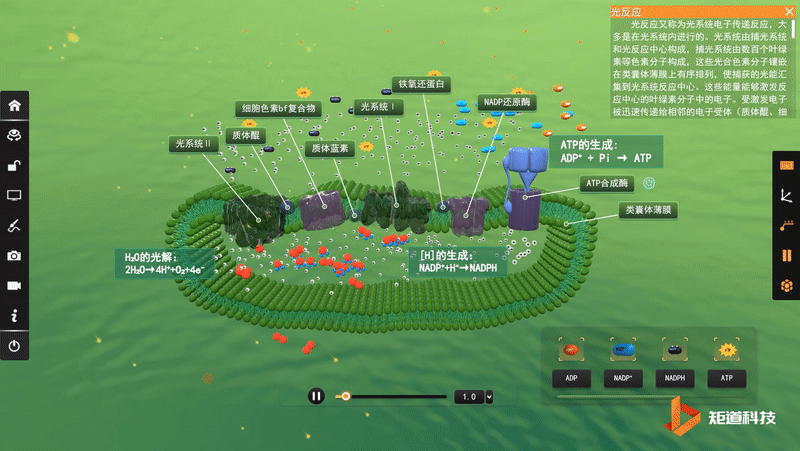
Within the science, physics, chemistry, and biology resources, students can dive inside molecules, experimental apparatus, and even natural environments, observing, manipulating, and verifying with their own hands. Experiments limited by equipment, space, and safety constraints can be repeated in the virtual environment without fear of mistakes. For a village school with limited equipment, this means the lab is now complete.
What Administrators Really Care About: Usability and Value
From a school management perspective, evaluating a technology is rarely about whether it's "cool" — it comes down to three concerns: Can teachers use it? Can it be integrated into the regular timetable? Is the investment worth it?
JuDao's solution centers on "VR digital courses," connecting smart blackboards, classroom management systems, and interactive spaces into one ecosystem. Lesson preparation, instruction, organization, and assessment all happen within a single closed loop. Teachers can get started after training — this isn't equipment that collects dust after purchase.
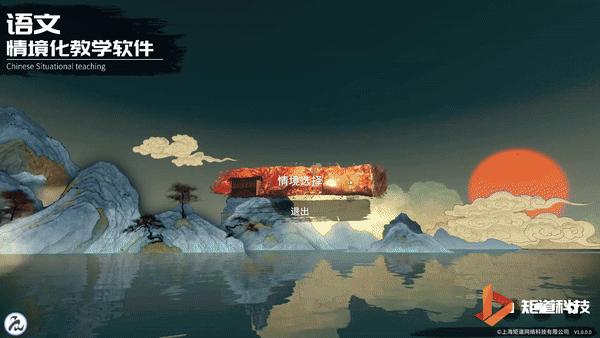
Even Chinese language classes benefit. These digital vr courses can transform the imagery and historical spaces described in textbook passages into environments students can walk through and explore, turning one-way lectures into immersive experiences. Rural children may have few opportunities to travel far from home, but they can "visit" these places through their textbooks — an experience that touches them far more deeply than repeatedly memorizing the central idea of a passage.
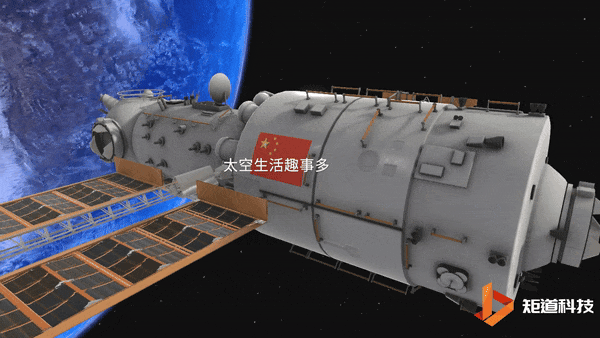
Technology Doesn't Widen the Gap — It Fills It In
A common concern is that the more advanced the tools, the wider the urban-rural gap grows. But what this program demonstrates is precisely the opposite: the laboratories urban children can enter and the microscopic worlds they can see are now accessible to village schools too. When high-quality resources flow in digital form, the gap between urban and rural areas is quietly narrowed, one step at a time.
The training program opened a window for rural teachers, and it's the job of school administrators to turn that window into light that reaches every classroom —enabling teachers who participate in off-site training programs to bring what they've learned back to their subjects, so that village children, without leaving their hometowns, can maintain curiosity, dare to get hands-on, and see a bigger world at the intersection of real and virtual.
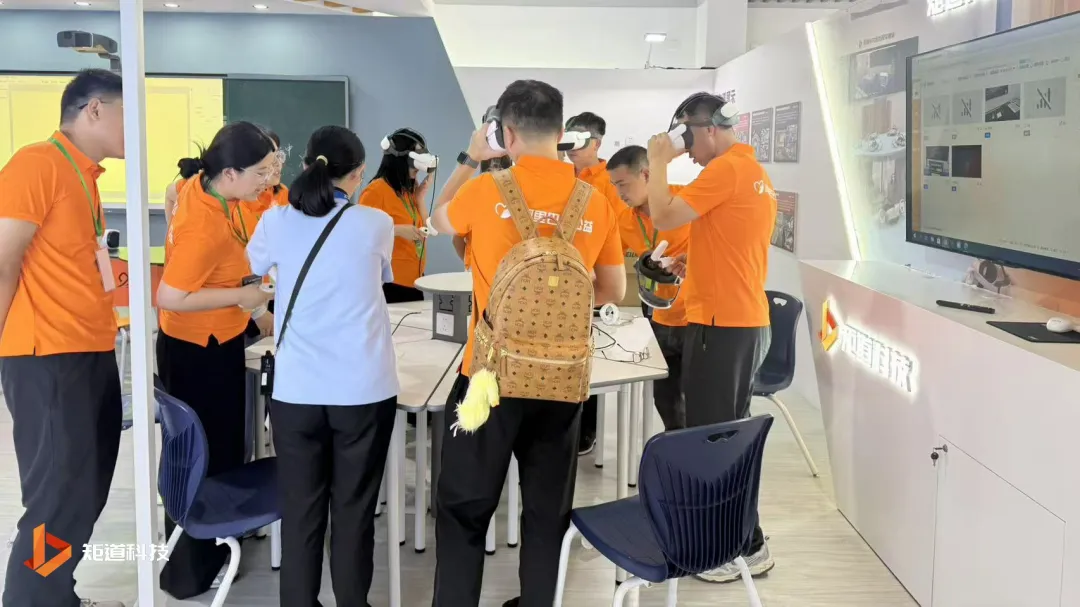
Educational equity is never just a slogan — it's built through repeated efforts to make resources flow. The virtual reality classroom is a gentle yet powerful step in that direction.