Why VR Classrooms Keep Kids More Engaged Than Traditional Learning
In a VR Science Lab, children don't just watch — they do. From hands-on experiments to microscopic exploration and building their own setups, immersive STEM Education turns passive listening into active discovery that feels like play.
Vivid Classrooms Where Learning Truly Happens
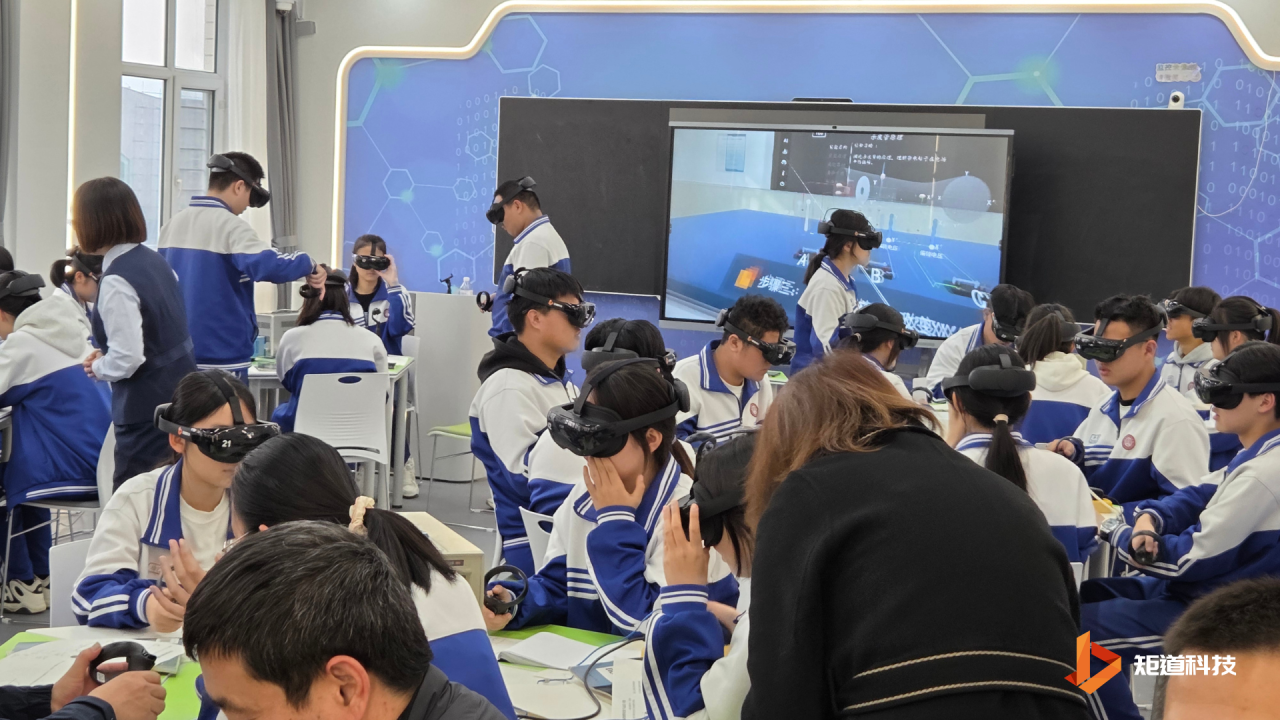
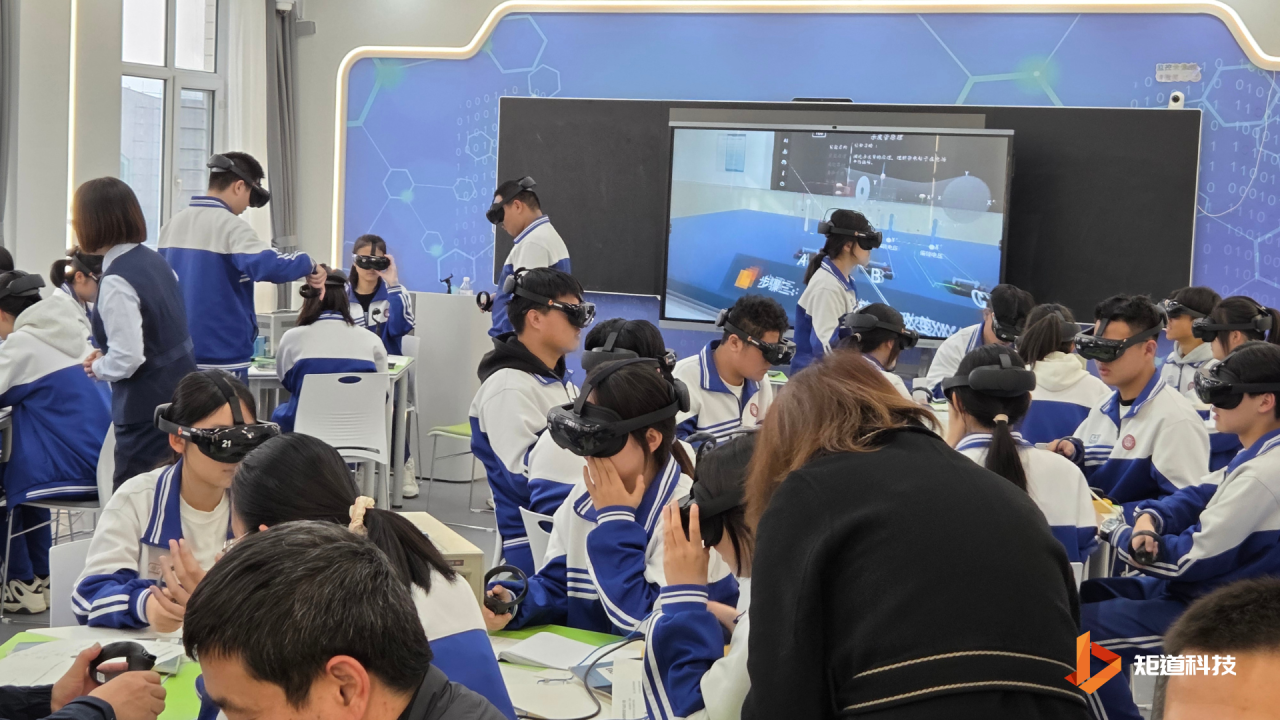
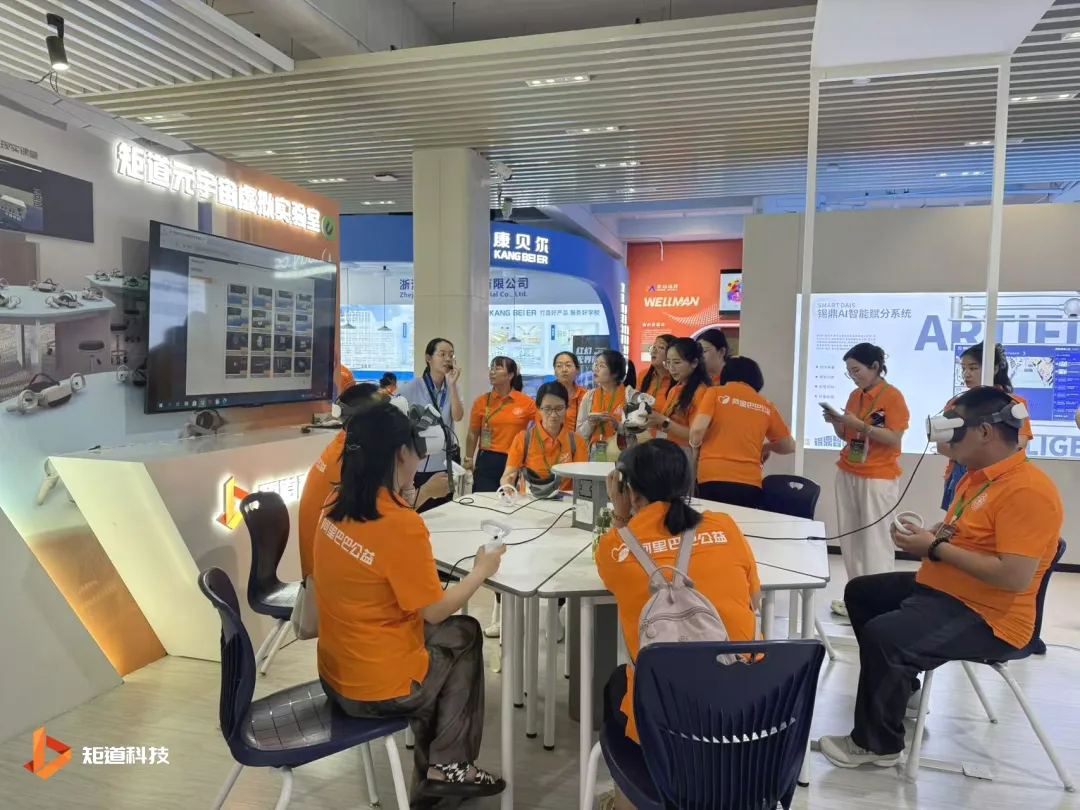
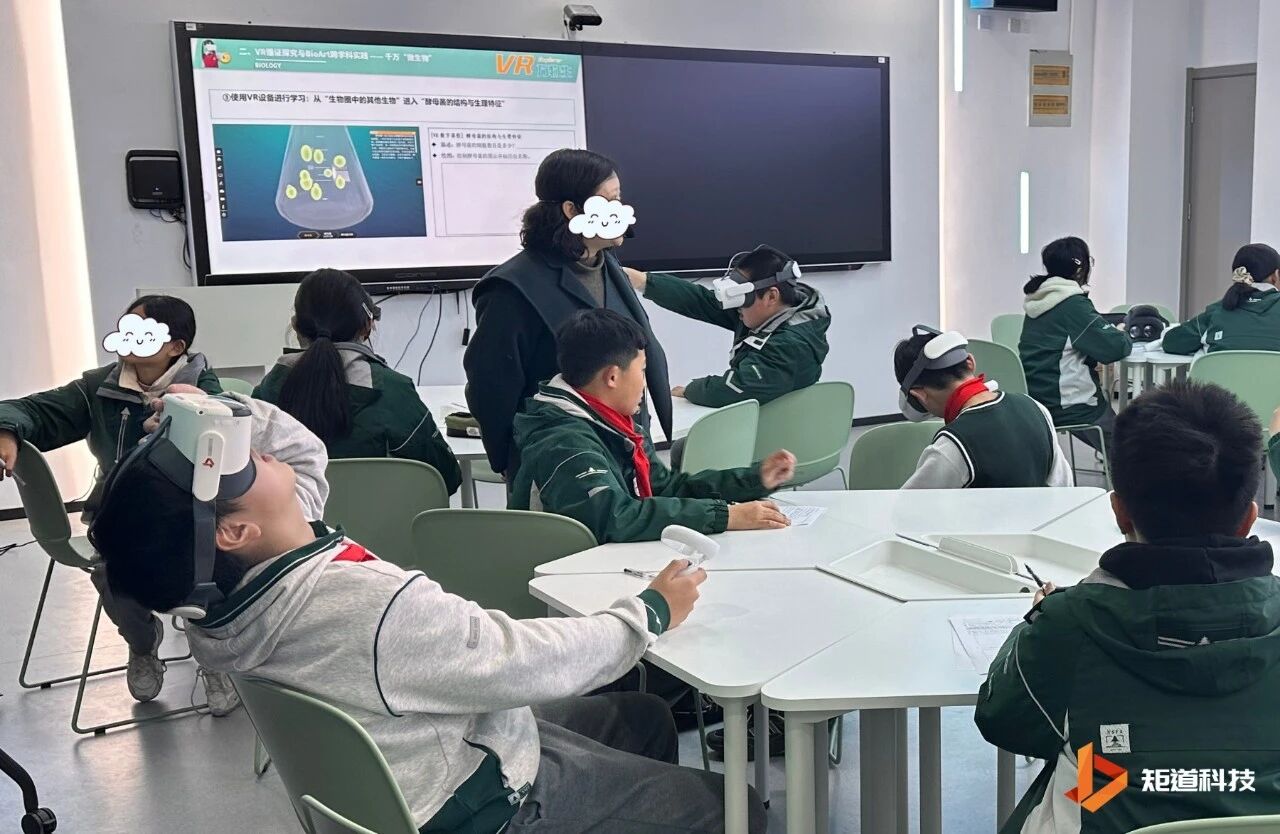
Put on a VR headset, and children look left and right, then tilt their heads upward in exploration. They reach out into the air as if touching something. Their expressions are full of life — sometimes wide-eyed with surprise, sometimes unable to hold back a laugh.
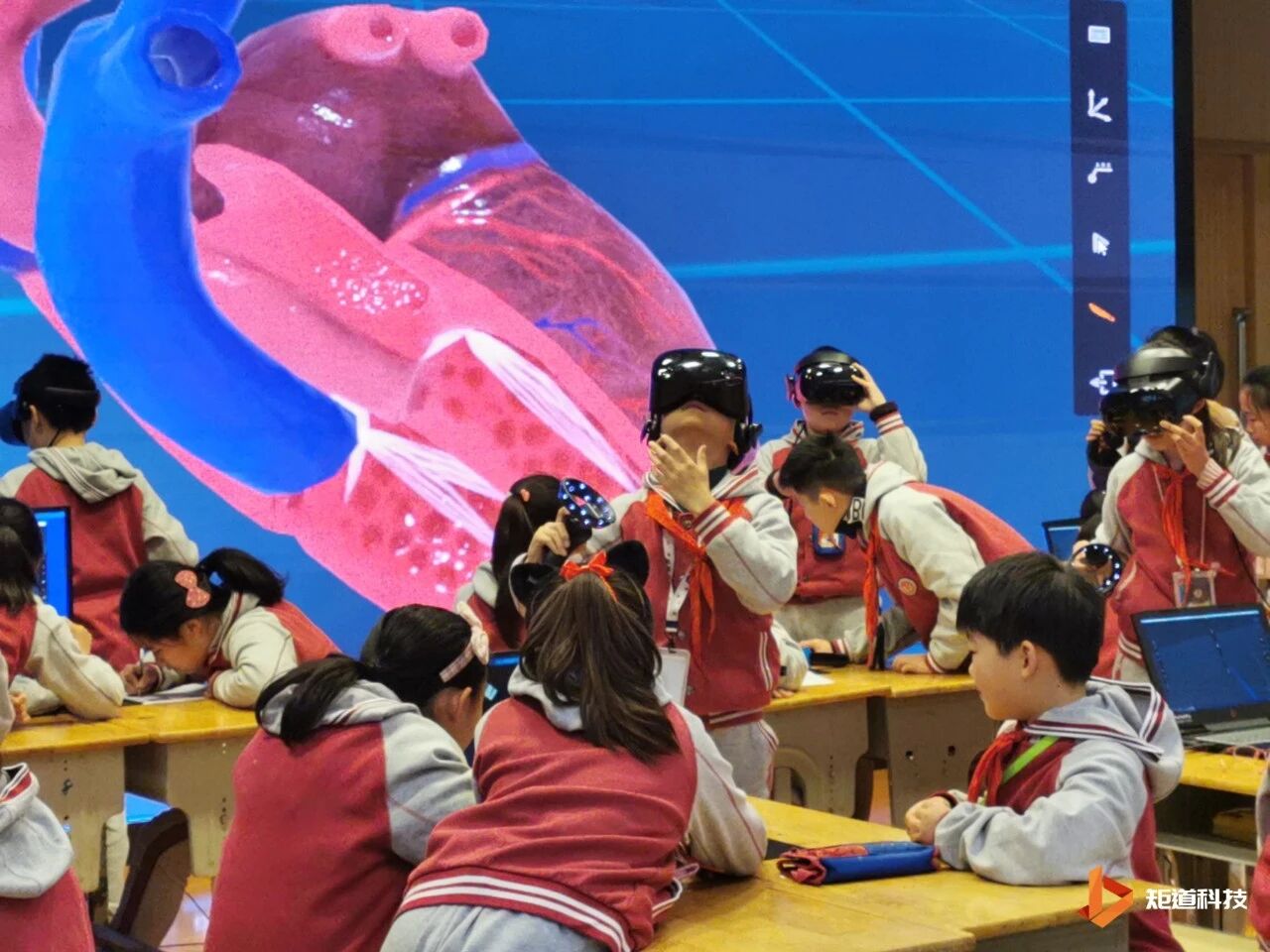
This isn't playing games — it's learning. In a VR classroom, learning becomes an immersive journey of exploration, and knowledge becomes "within reach." Let's step into these children's perspective and see what amazing journey they are experiencing.
01 Experiencing Experiments Firsthand
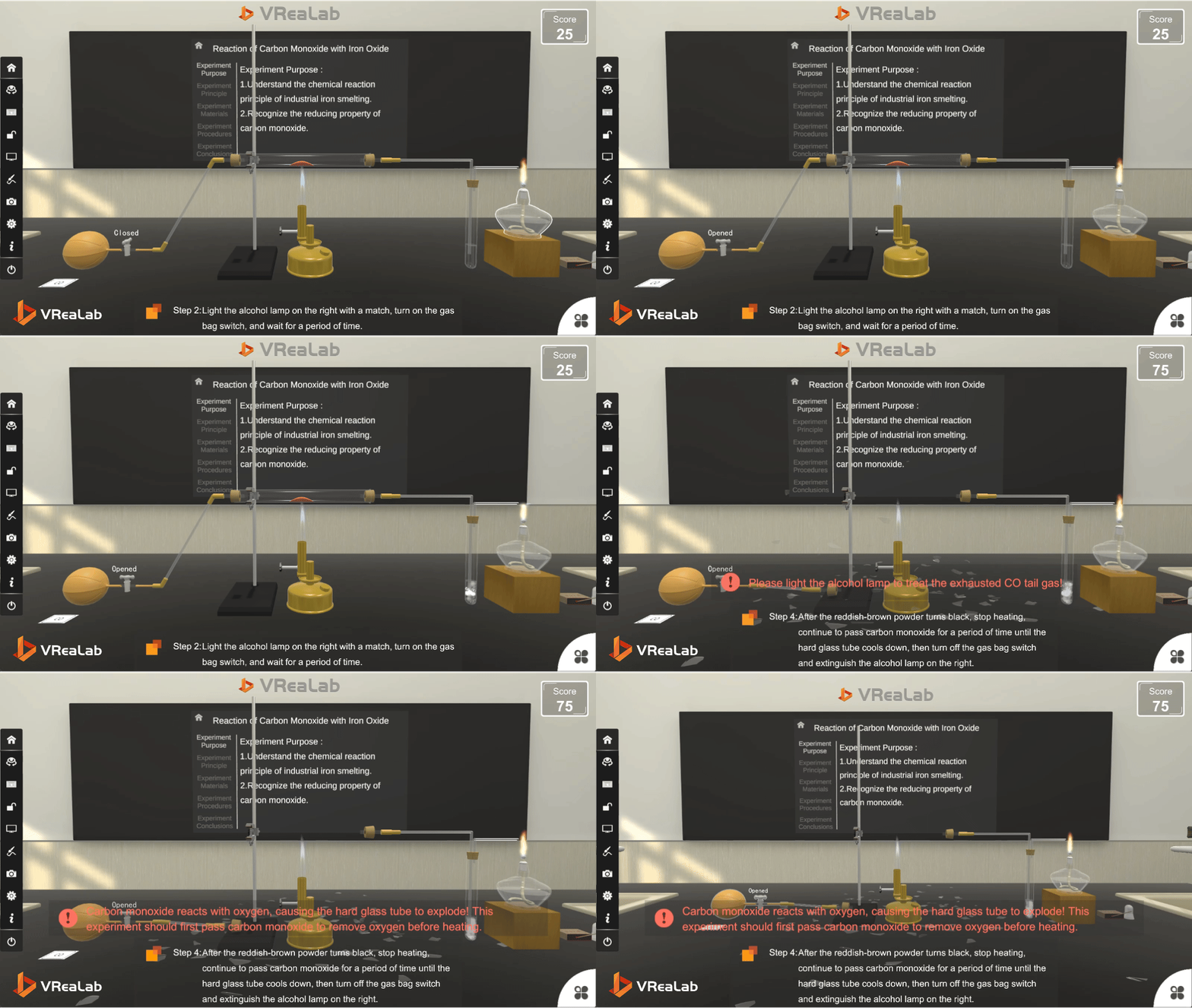
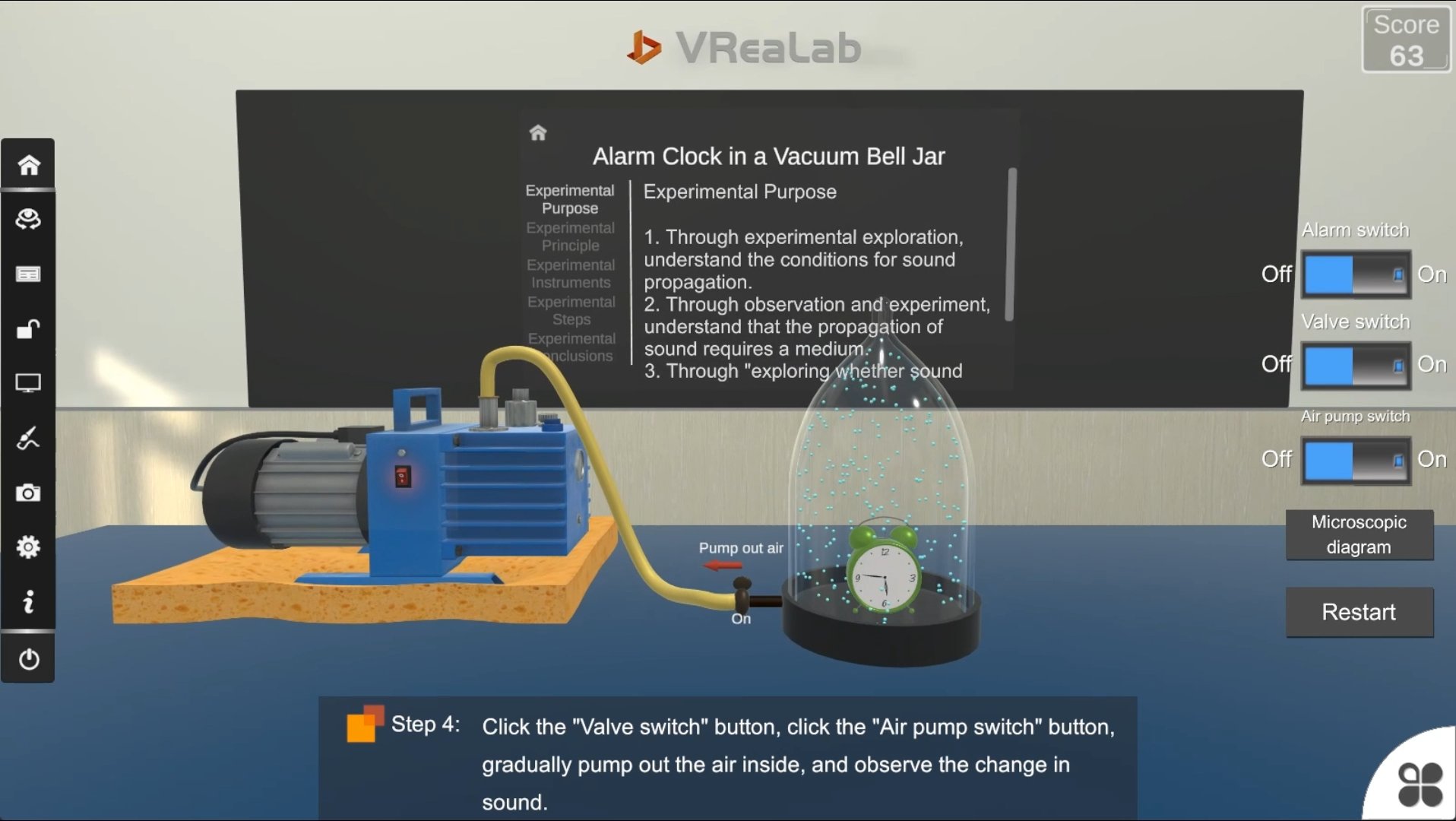
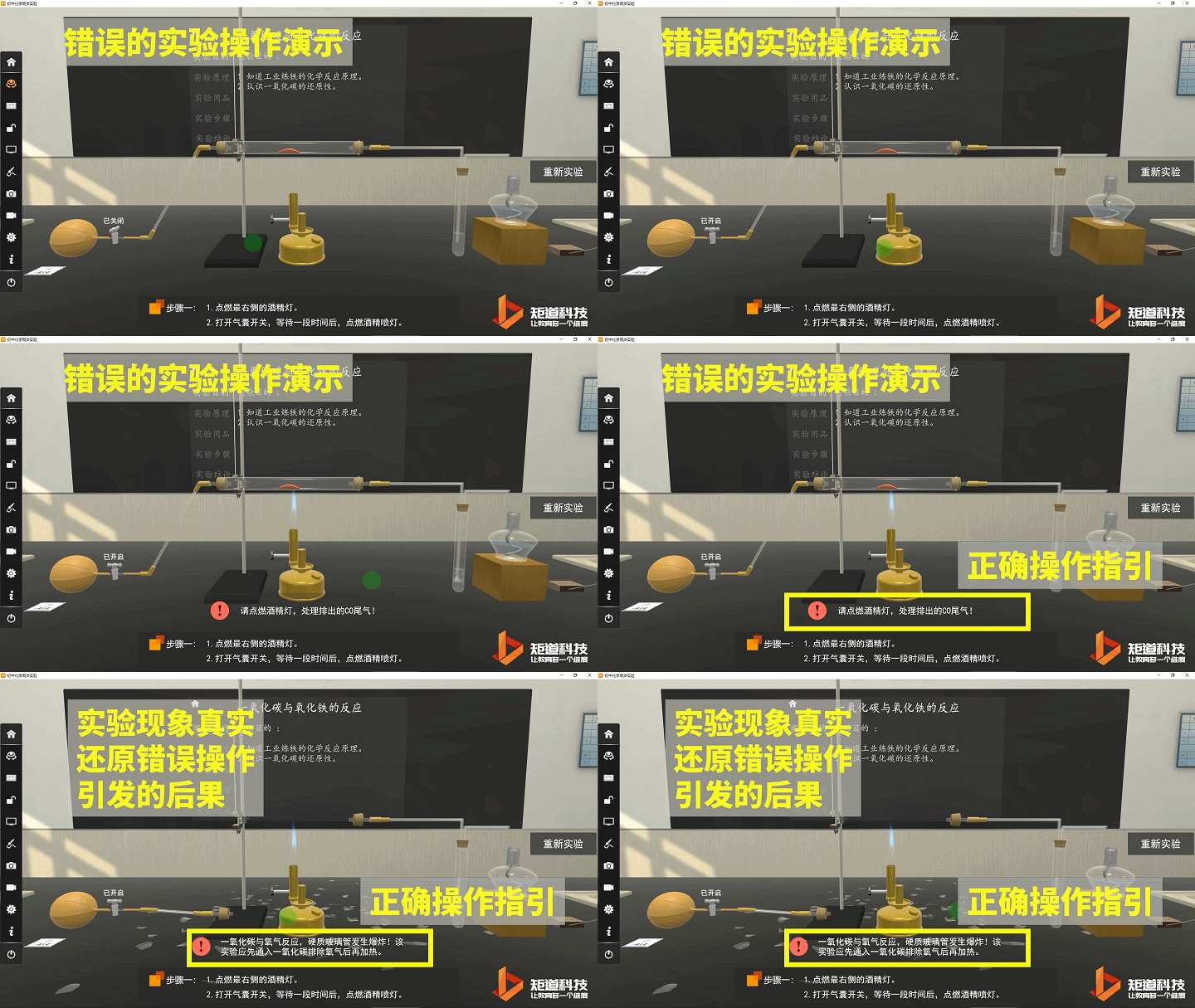
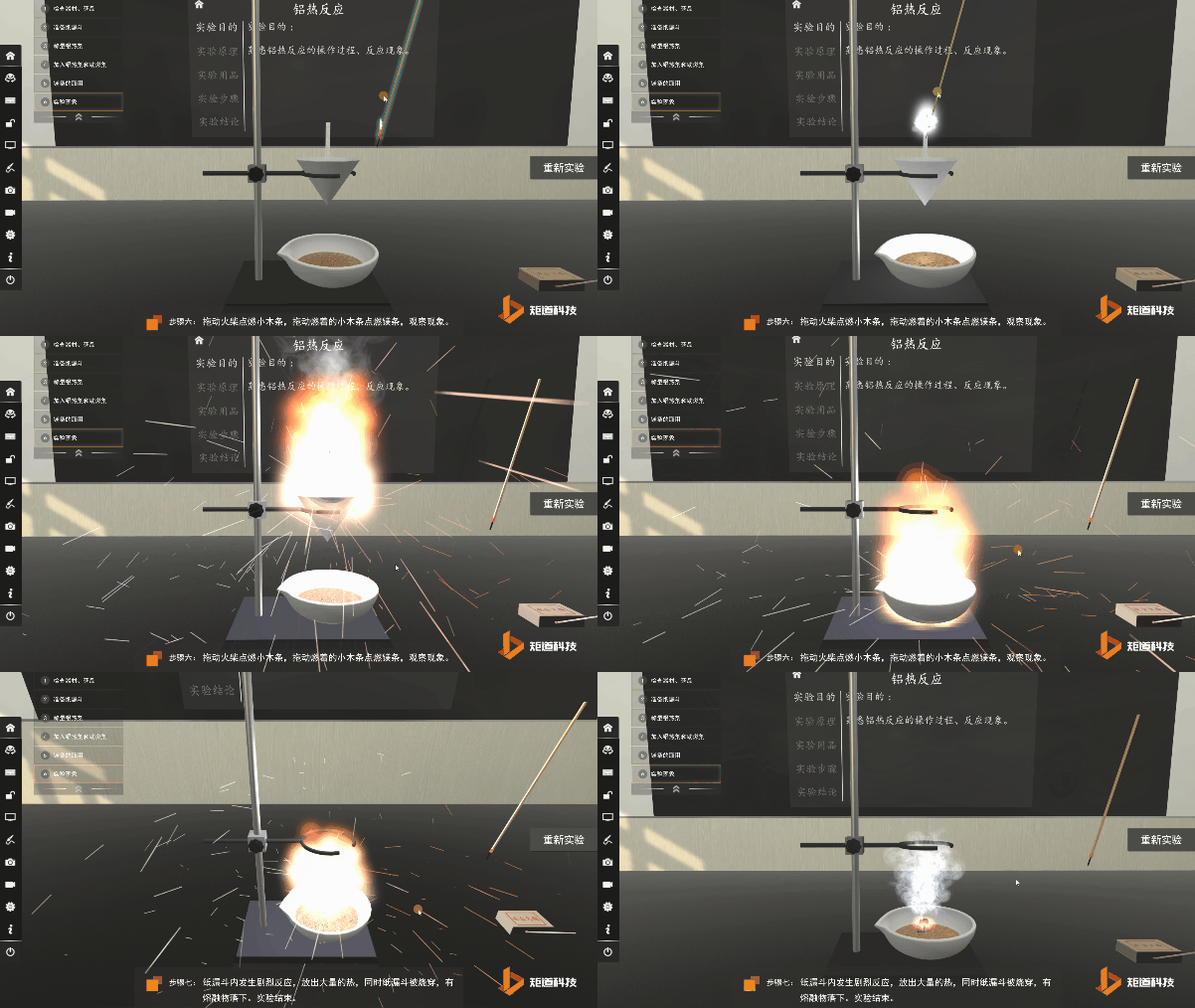
In real-world laboratory exploration, insufficient equipment, tight classroom time, and high operational risks often prevent many experiments from being truly carried out. In a VR Science Lab, children can try everything — turning valves, pouring reagents, connecting circuits, igniting flames. The phenomena are realistic, yet they cause no real harm whatsoever. Children can safely get hands-on and practice repeatedly, making hands-on inquiry truly take root in the classroom.
This is STEM Education at its best: learning by doing, safely and freely, without fear of breaking equipment or getting hurt.
02 Exploring the Microscopic World
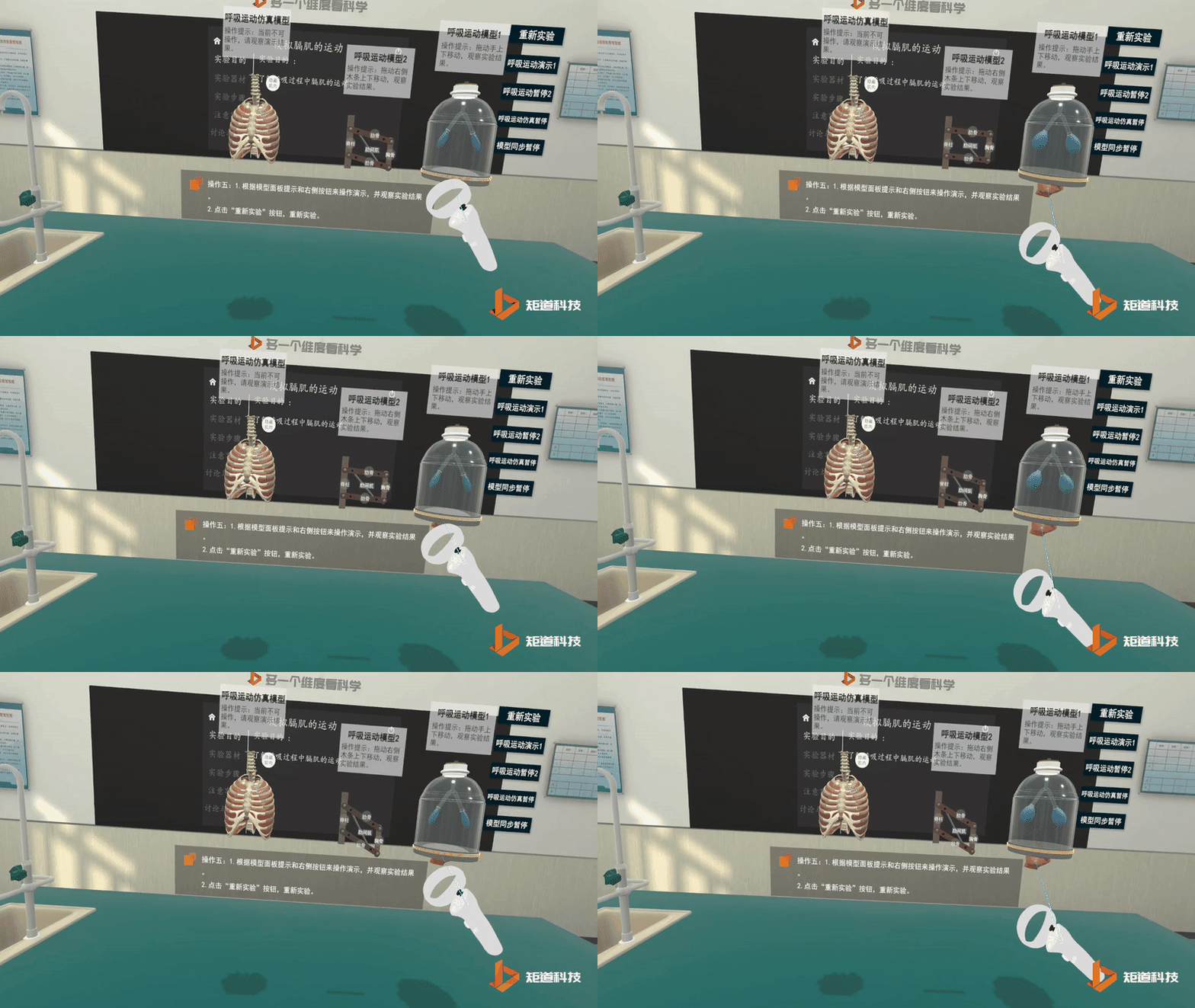
What does the inside of a cell look like? How does the light reaction process of photosynthesis happen step by step? How are electron clouds distributed around an oxygen nucleus, and how do electrons fill each layer?
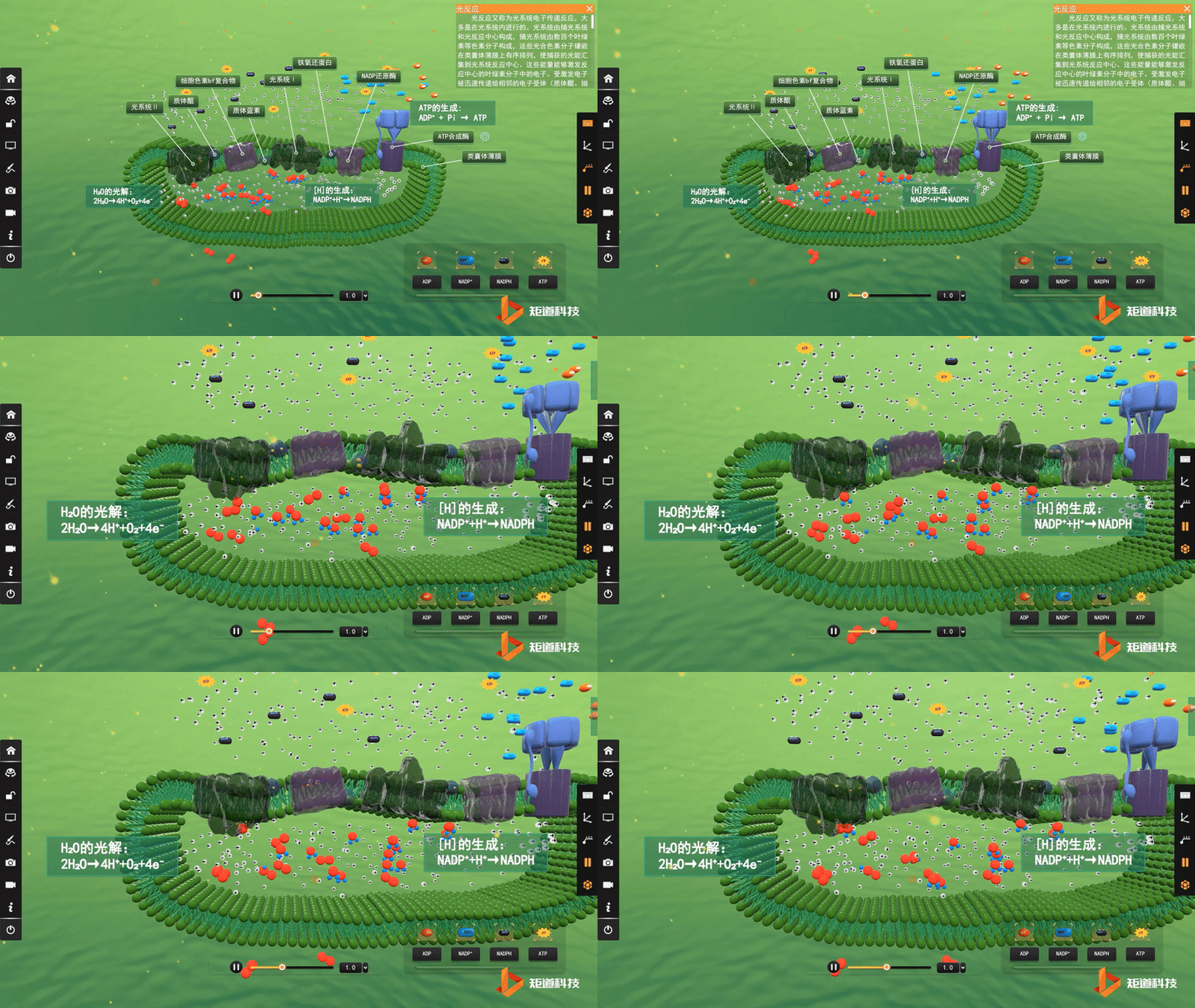
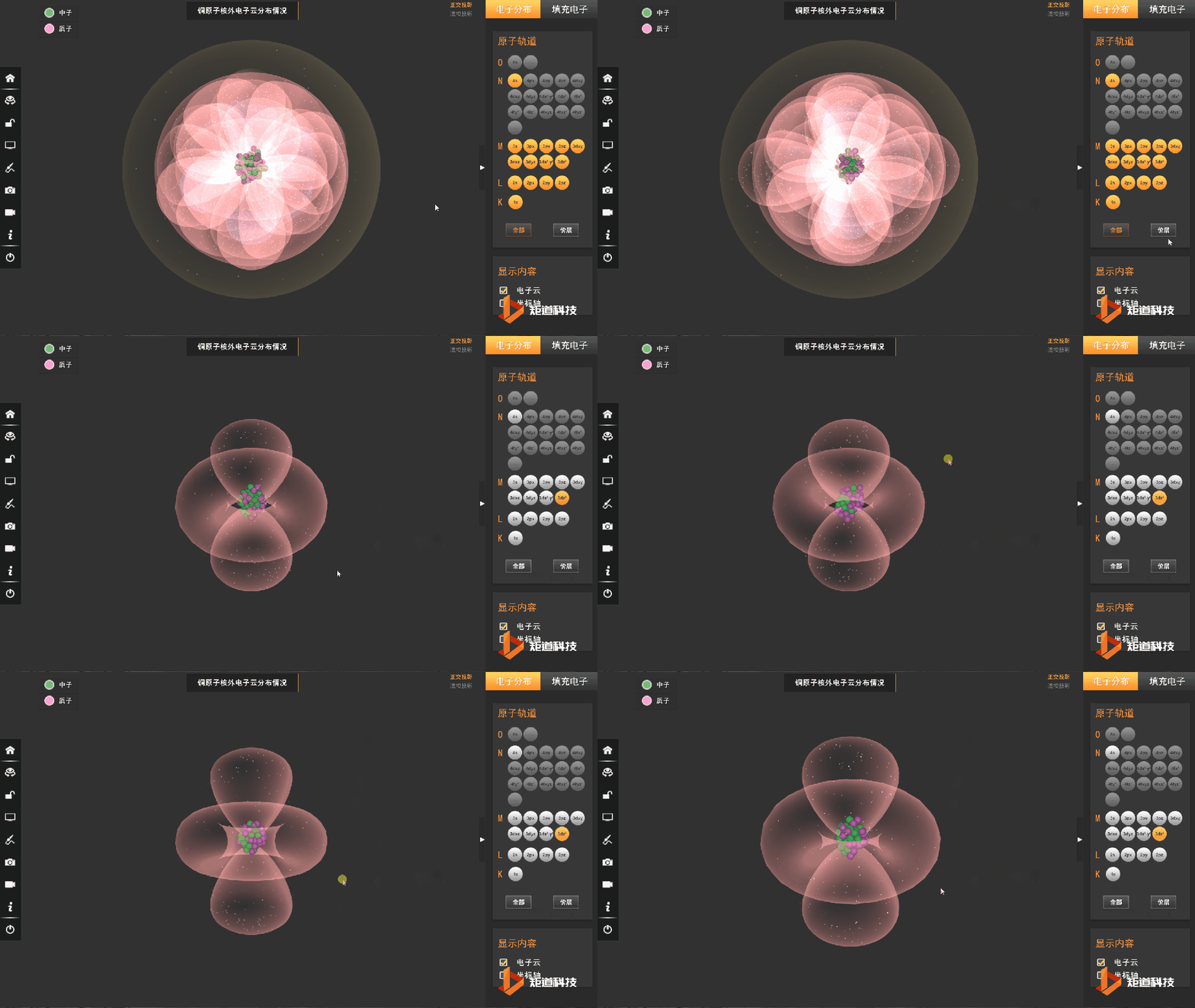
These are presented intuitively in the VR virtual classroom, reducing the abstractness of teaching content. Children can disassemble structures layer by layer, and can also zoom realistic objects in and out — observing microscopic structures up close, and viewing the overall picture from a distance. Instead of staring at flat pictures or videos and passively absorbing information, children are personally "manipulating" a tangible three-dimensional microscopic world in the virtual environment.
In a VR Science Lab, the invisible becomes visible, and the microscopic becomes a playground for curiosity-driven discovery.
03 Building and Creating
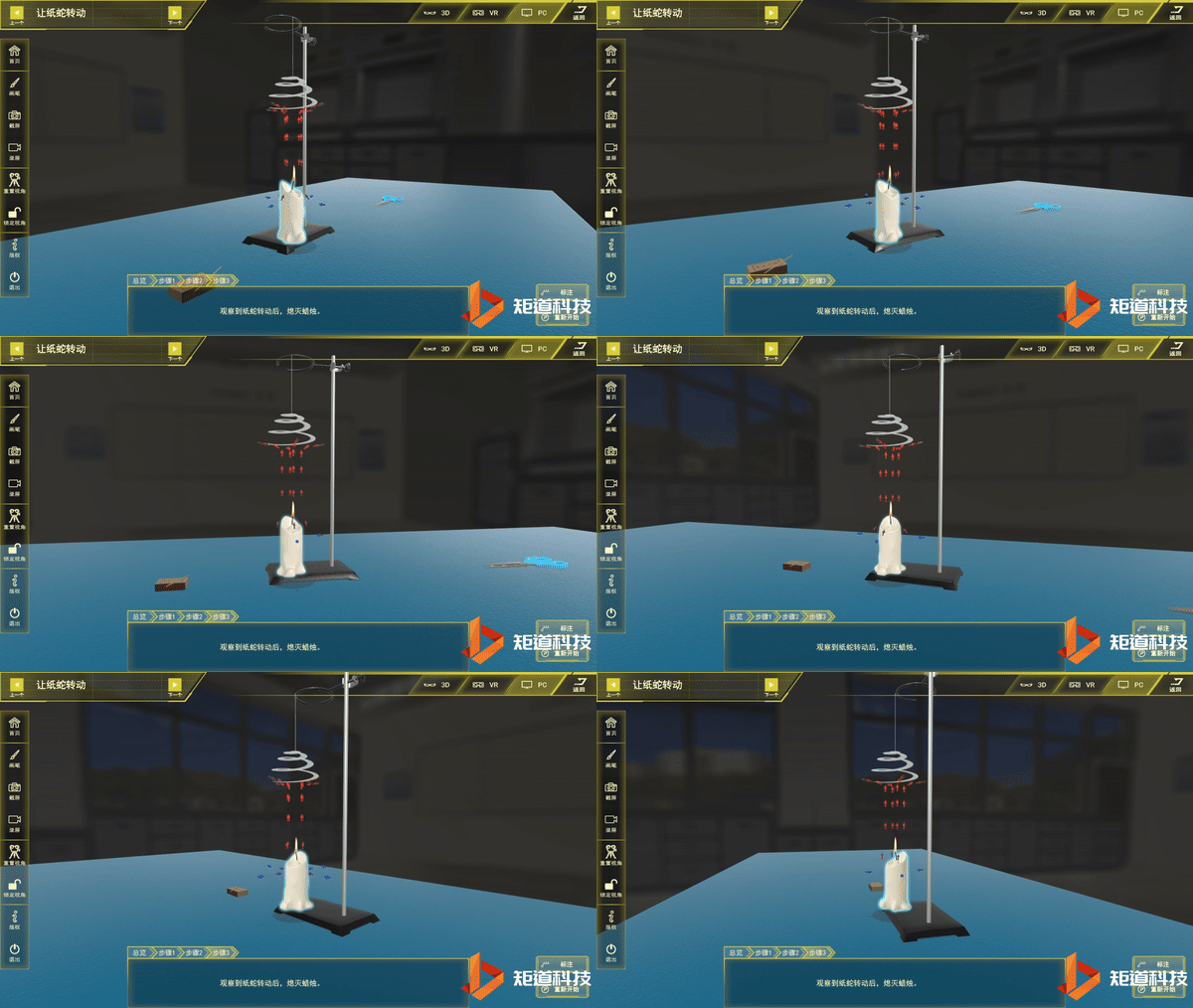
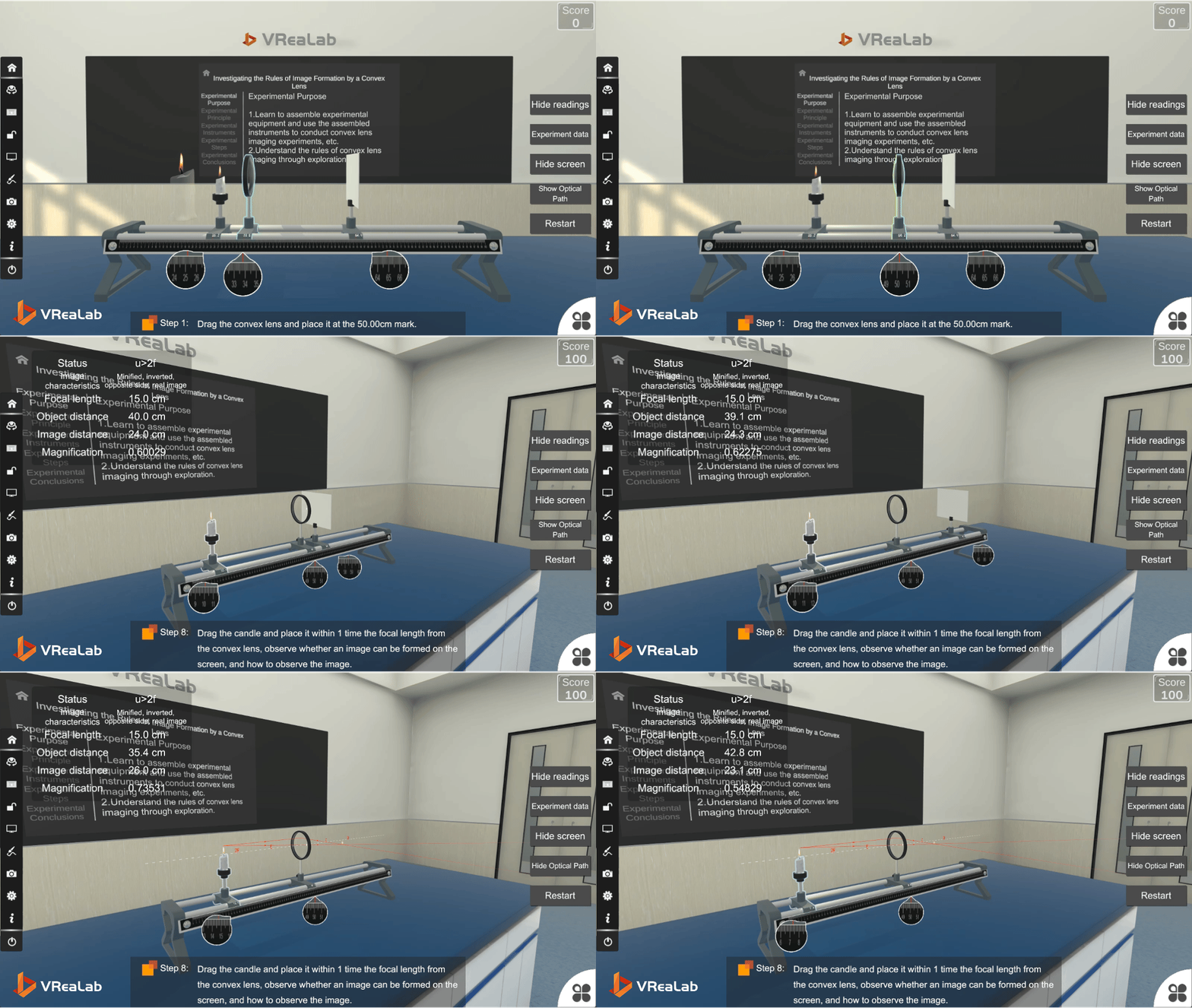
Force in physics, refraction of light, series and parallel circuits… many children find these hard to understand, often because they lack opportunities for hands-on experimentation. In the VR virtual classroom, children can independently change the mass of a ball, adjust the angle of light refraction, and wire up an electrical circuit.
By independently building experiments and freely adjusting parameters, they discover problems and verify hypotheses through repeated attempts — cultivating scientific inquiry skills, practical abilities, and an innovative spirit. This hands-on approach to STEM Education builds confidence and competence in ways lectures never can.
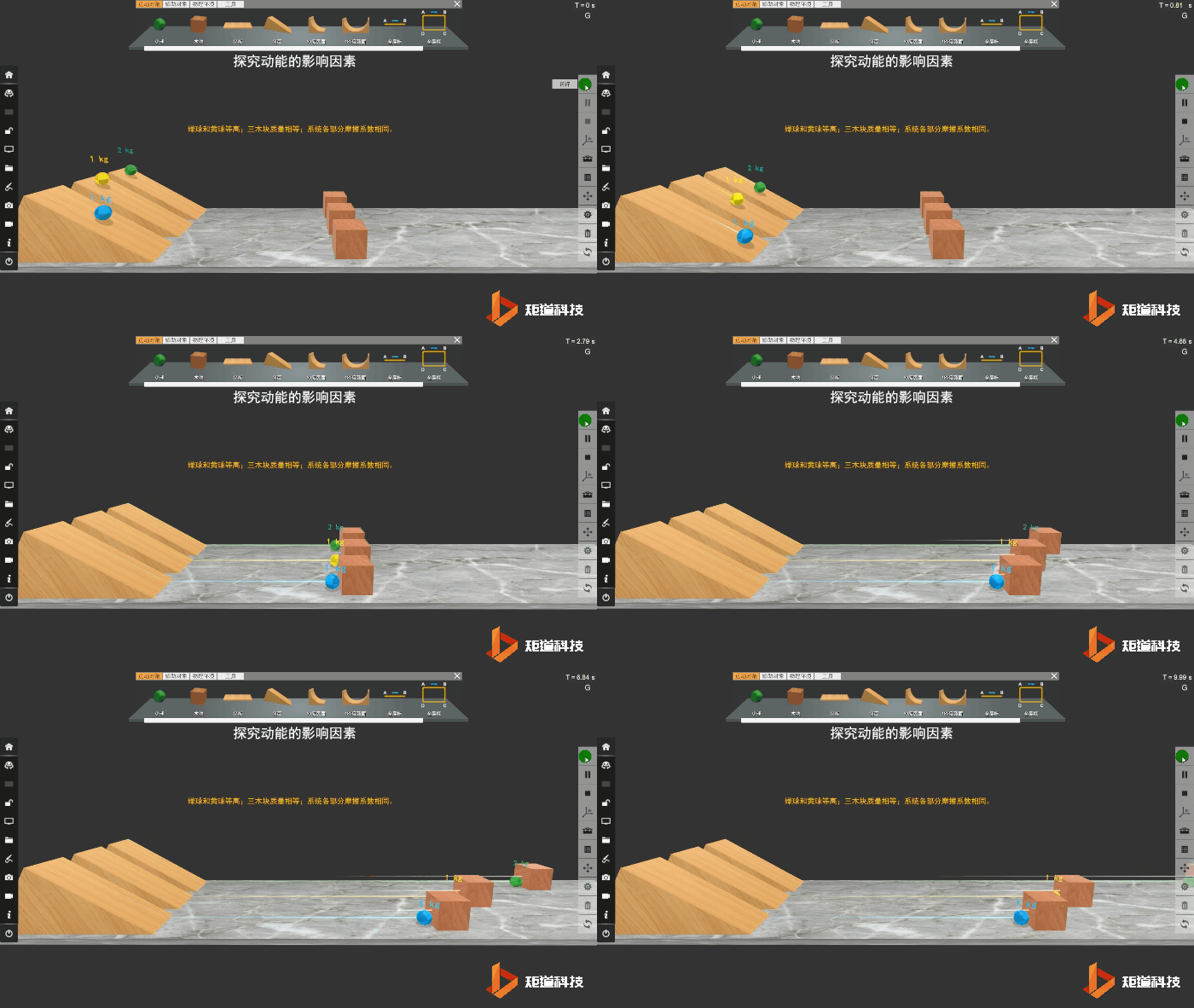
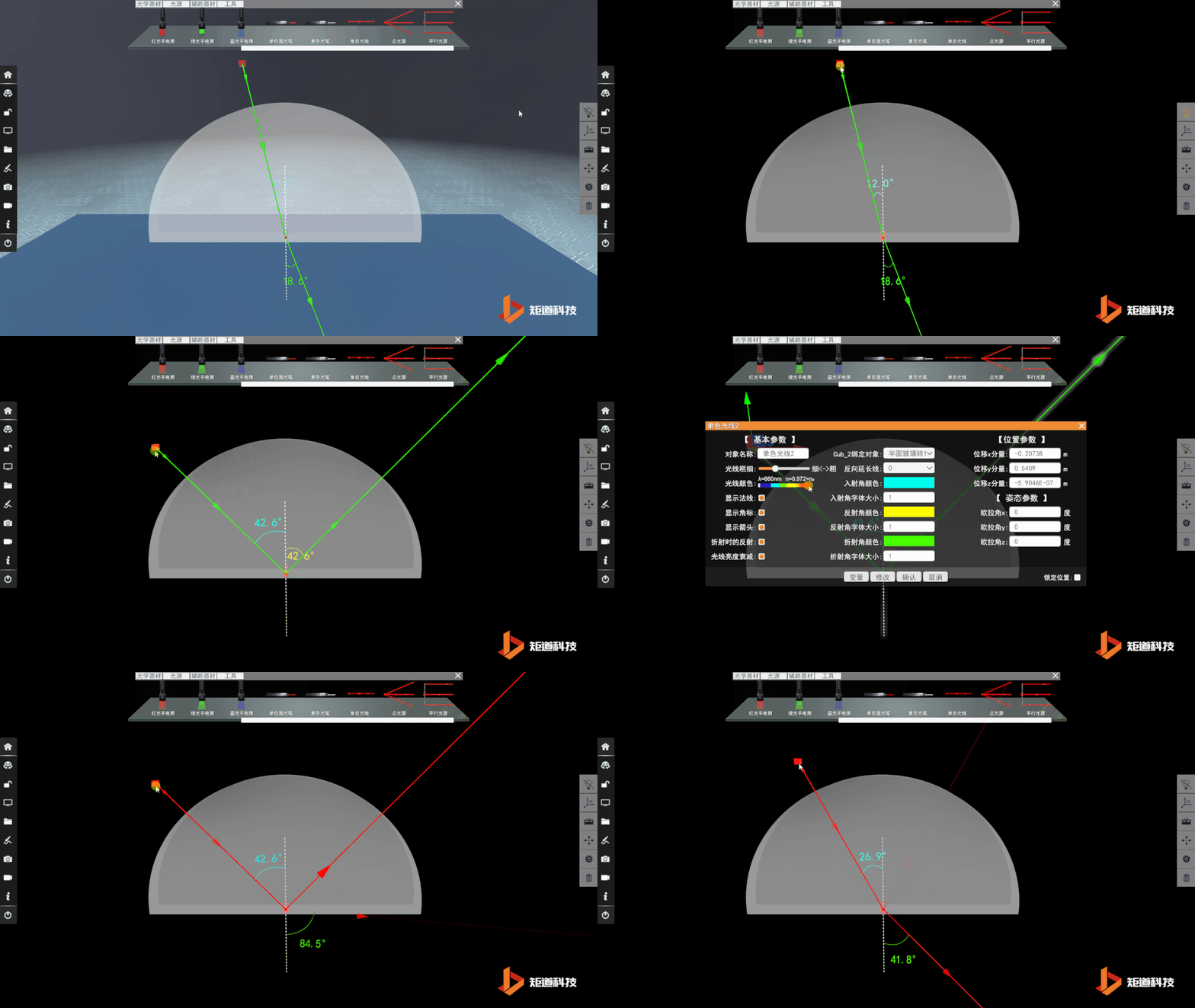
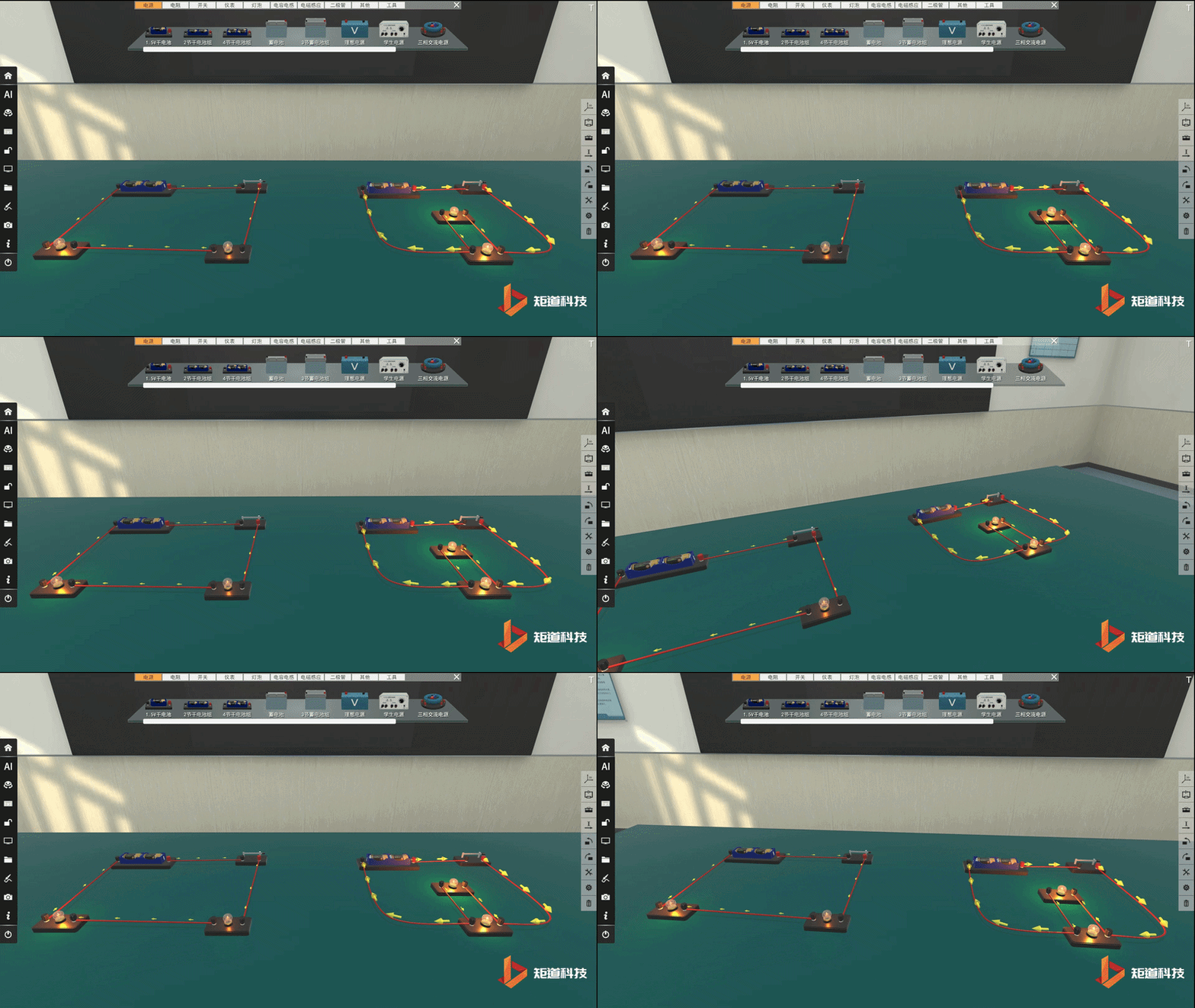
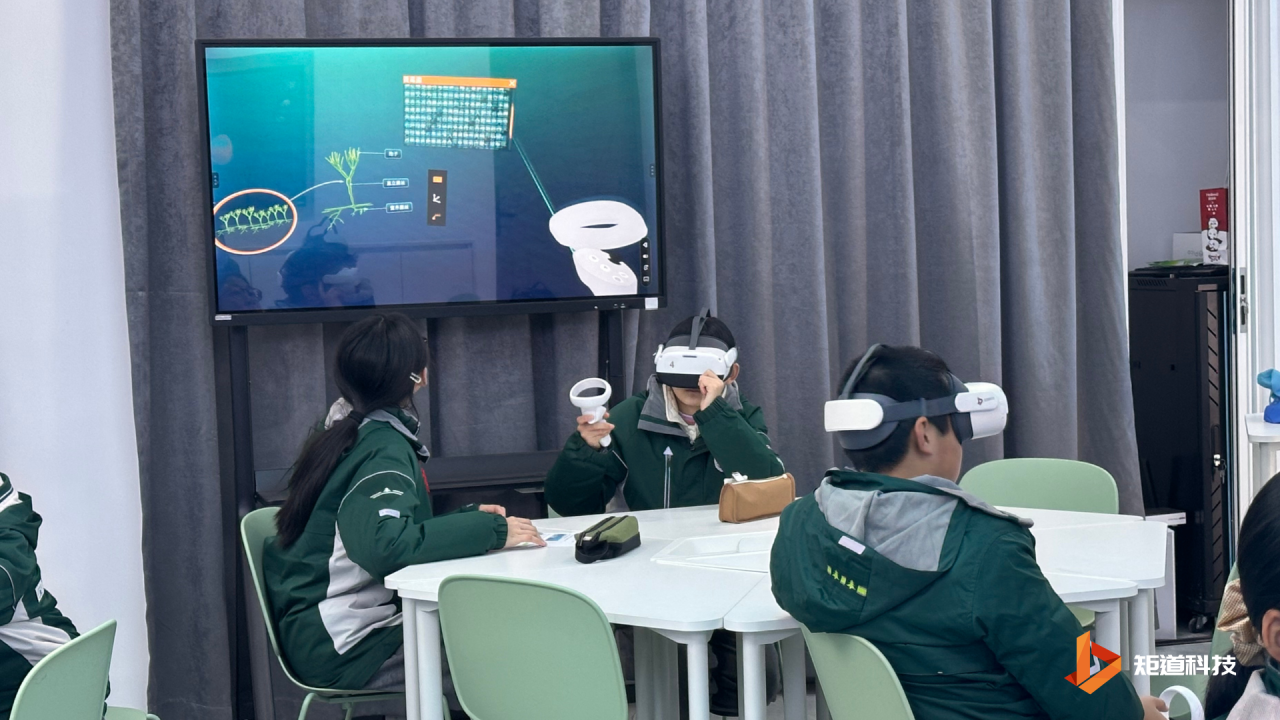
In the VR classroom, children's hands are moving, their eyes are observing, and their brains are thinking. The intuitive presentation of knowledge fills children with wonder, and hands-on operations make the joy of exploration endless.