Virtual Lab: Making the Invisible Visible in Middle School Science
Magnetic field lines, gas molecules, internal organs — middle school science is full of things students cannot see. This Virtual Lab turns the invisible into something students can watch, rotate, and measure across physics, chemistry, and biology.
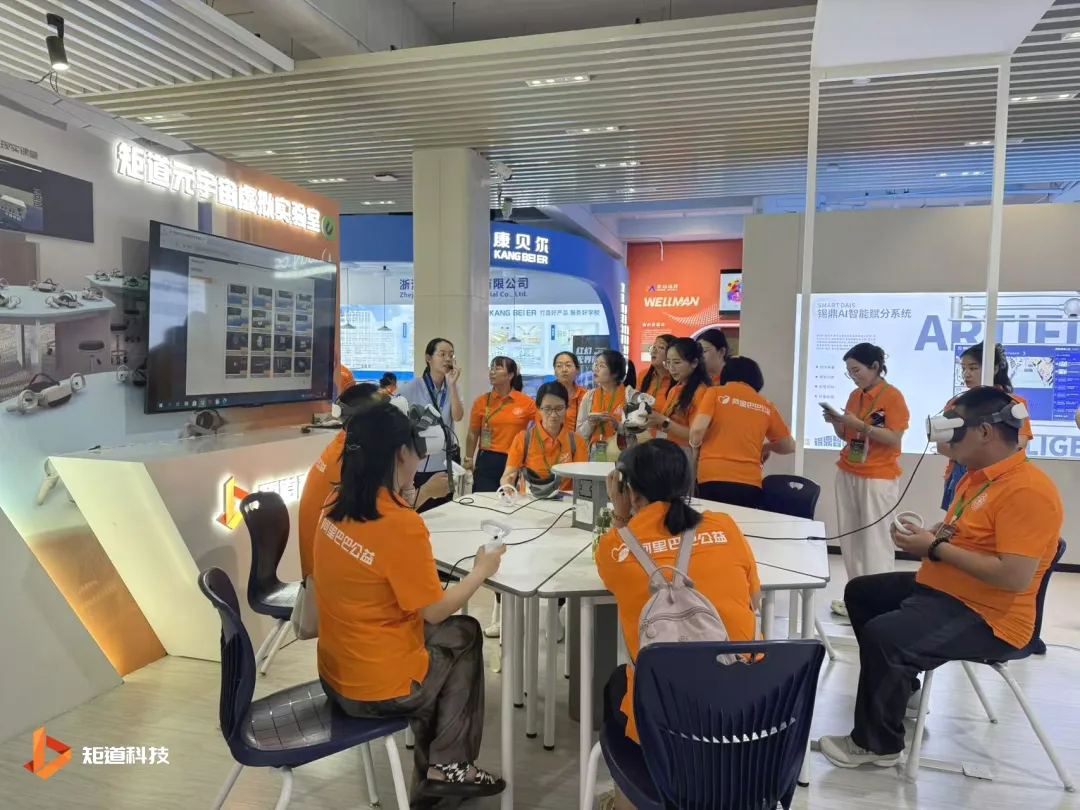
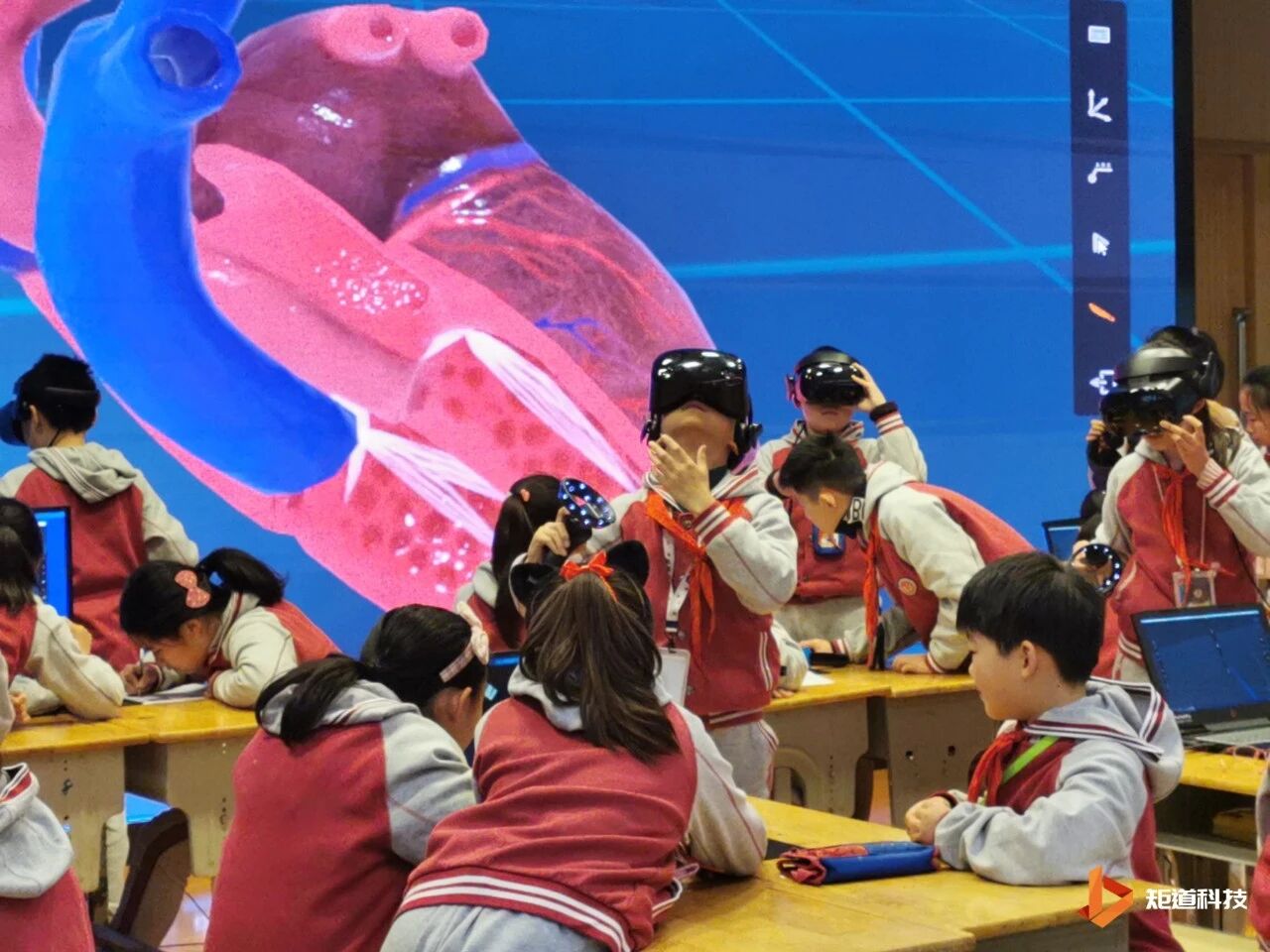
Middle school science is full of knowledge that students cannot see. Magnetic field lines, gas molecules, and the organs inside a bird are either too small, too abstract, or too hidden to observe directly. The Middle School Physics, Chemistry & Biology VR Learning Device was built for exactly this problem: it turns what is invisible into something students can watch, rotate, and measure. Inside this Virtual Lab, abstract principles across physics, chemistry, and biology become visual experiences that every student in the classroom can share.
Chemistry: Watching Molecules and Microscopic Reactions
The molecular motion experiment is a classic case. Two small beakers, one containing concentrated ammonia and the other phenolphthalein solution, are covered by a large beaker. In a real classroom, students only see the solution slowly turn red, and the molecules responsible stay forever imaginary. In the VR version, the software adds a microscopic view, so students can watch ammonia molecules spread through the air and enter the solution drop by drop. Diffusion stops being a definition to memorize and becomes a process they have personally observed.
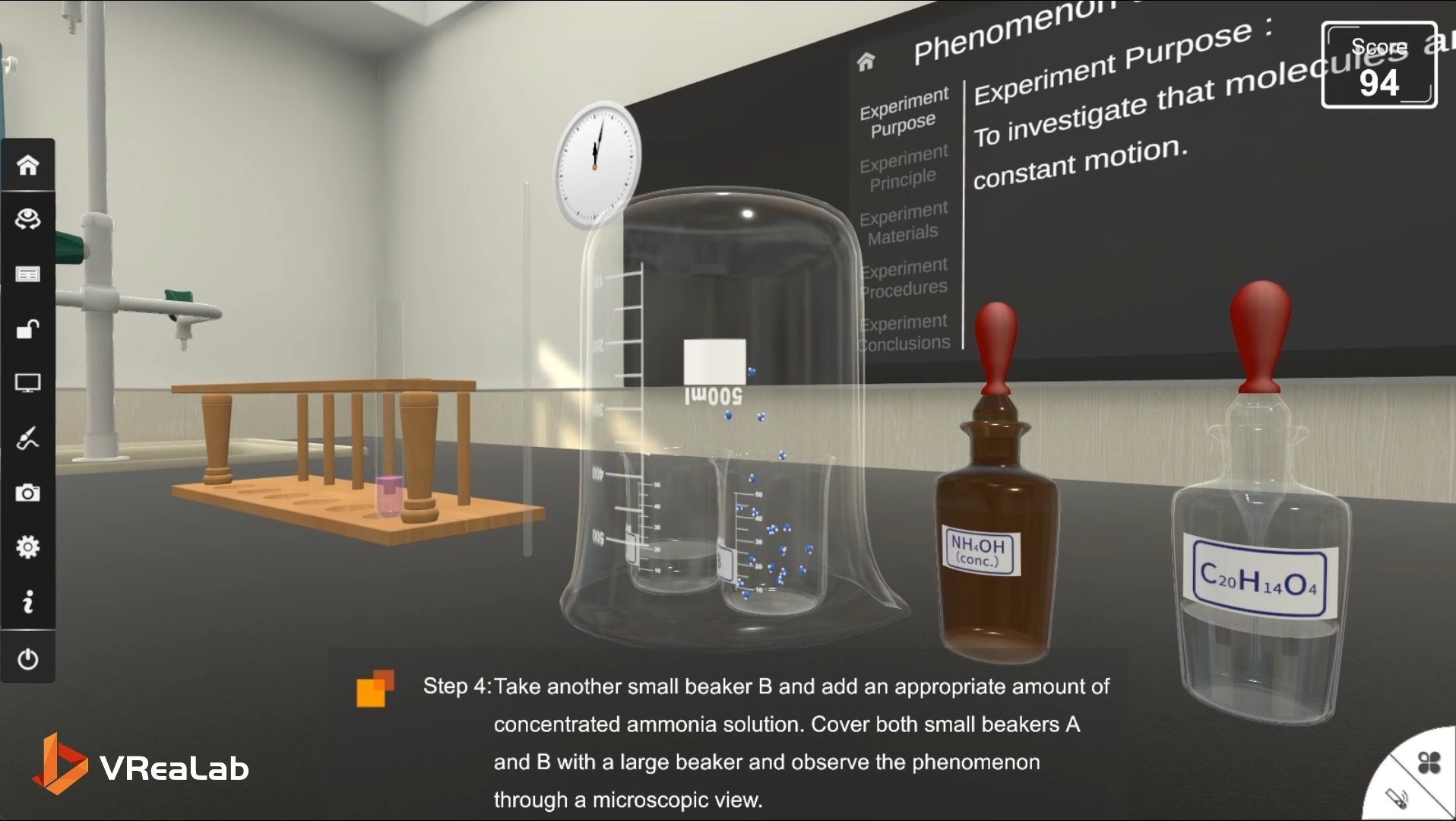
Figure 1. Molecular motion experiment: the microscopic view shows ammonia molecules spreading, while step-by-step guidance keeps the procedure on track.
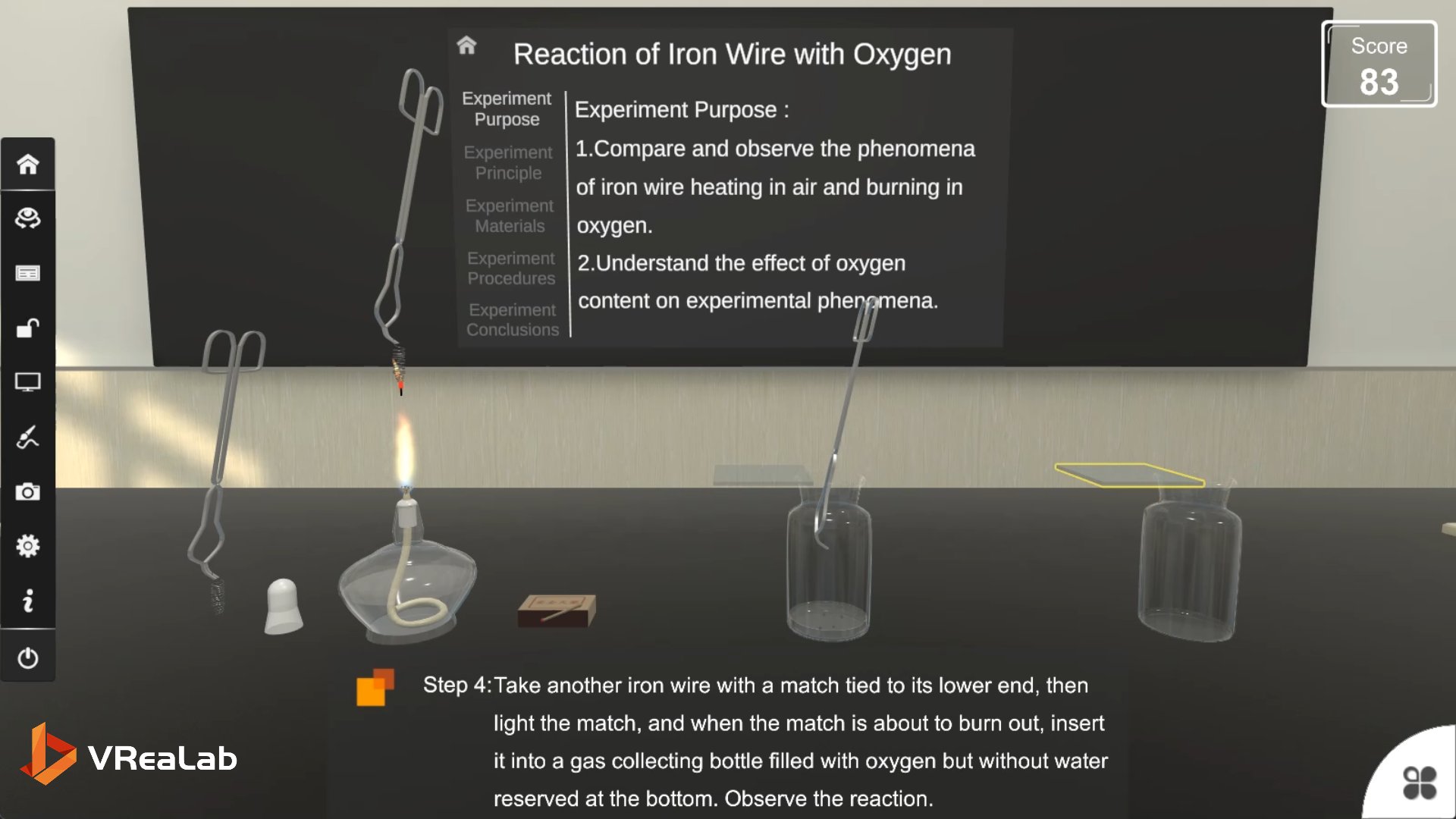
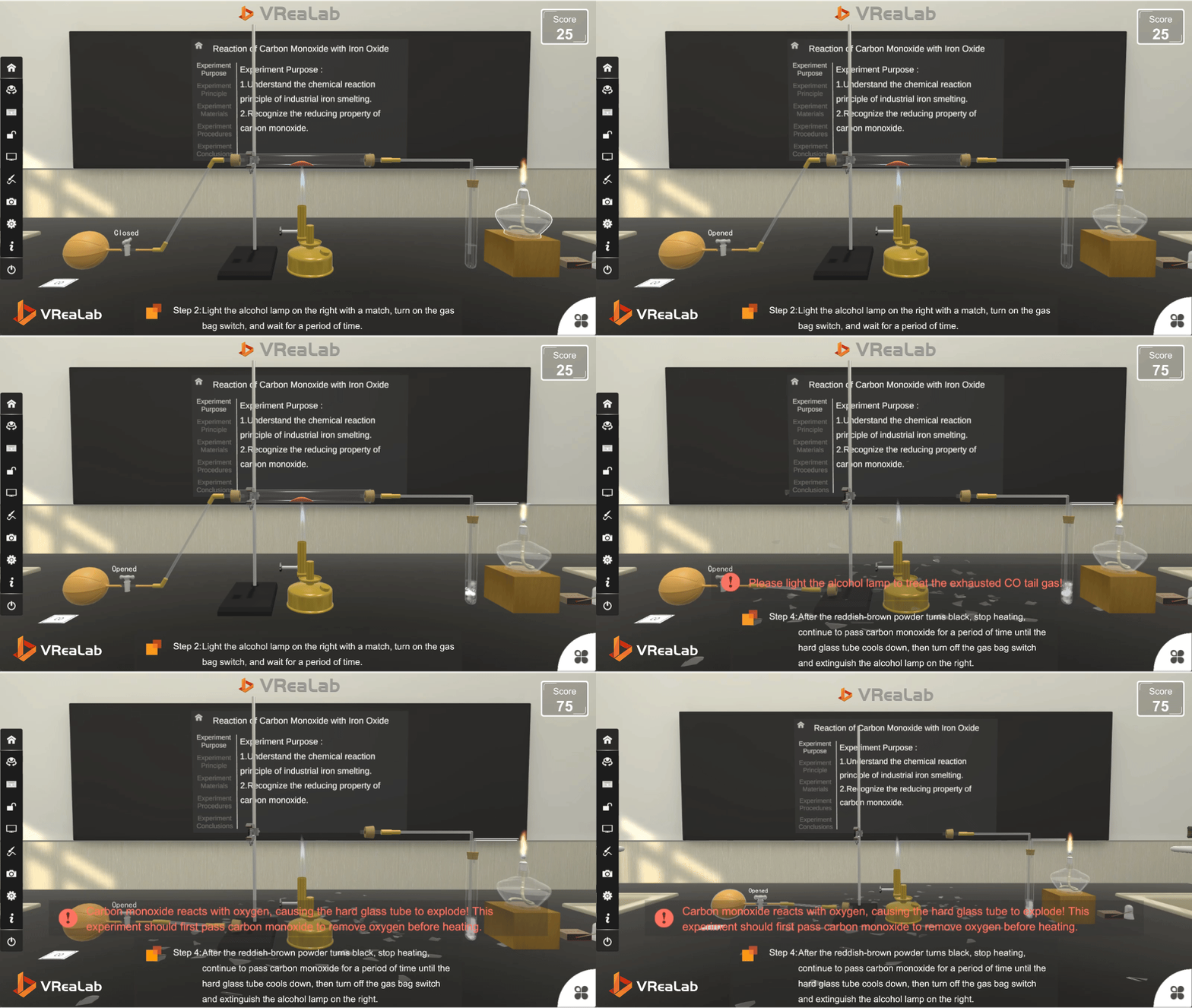
The same logic applies to industrial chemistry. The reaction of carbon monoxide with iron oxide is dangerous, expensive, and impossible to repeat in a school lab, yet it explains how iron is smelted. In the VR scene, students ignite the alcohol blast burner, heat the iron oxide in a hard glass tube, and read a live data panel showing temperature at 1000 degrees Celsius, air pressure, and the exact mass of every substance involved. The equation 3CO + Fe2O3 = 2Fe + 3CO2 appears beside the tube as the reaction runs. A live Virtual Lab like this turns an industrial process into a bench-top experience with real numbers attached.
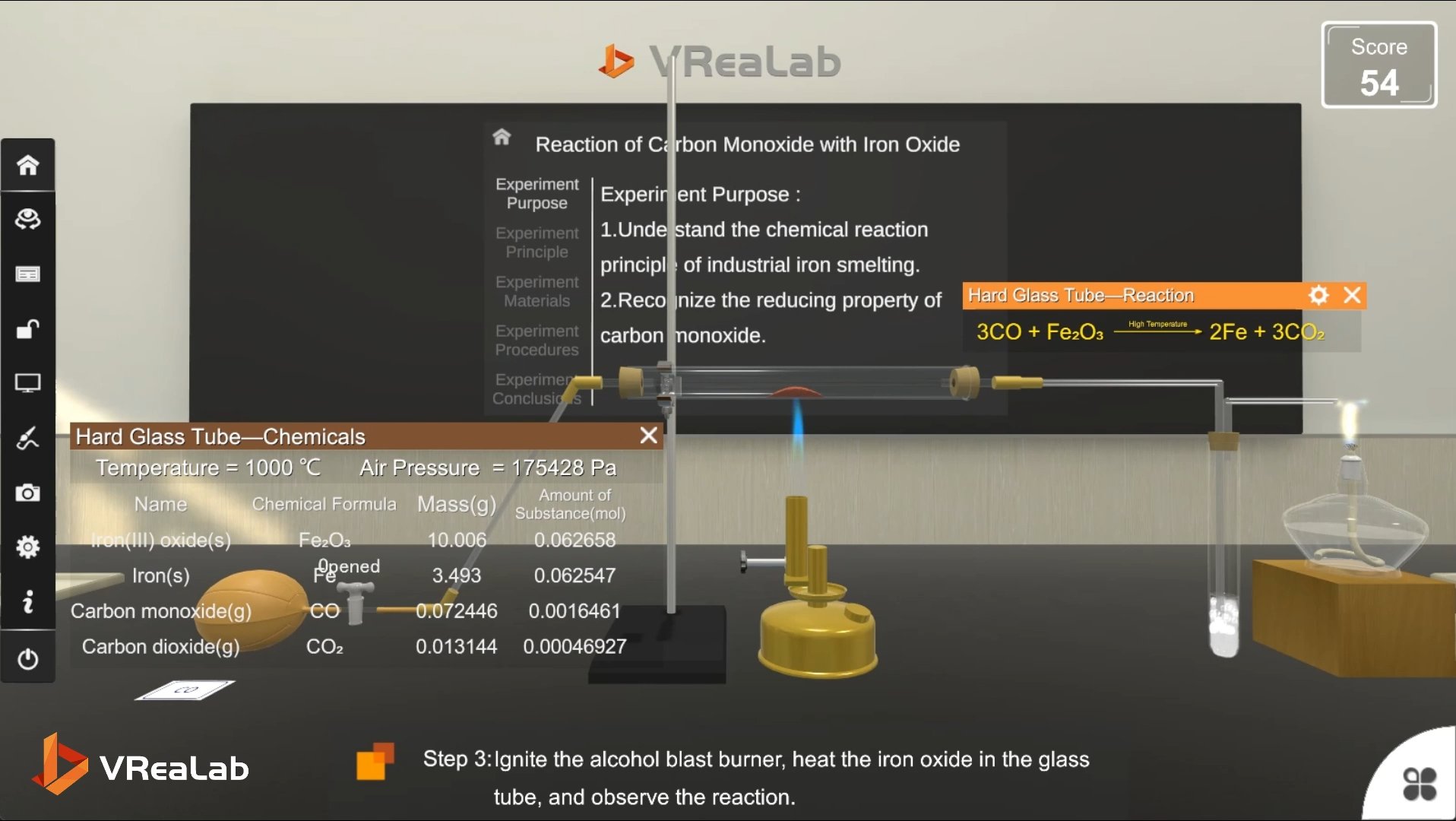
Figure 2. Reaction of carbon monoxide with iron oxide: the data panel lists temperature, pressure, and the mass of each chemical in real time.
Physics: Making Fields and Forces Visible
Magnetic fields are the textbook example of the invisible. The solenoid module asks students to observe the distribution of iron filings around a current-carrying solenoid and understand the magnetic field distribution. Students tap the glass plate, watch the filings arrange themselves along the field, and then switch on the magnetic induction lines to see the full three-dimensional structure floating around the coil. The right-hand screw rule is displayed right where it applies.
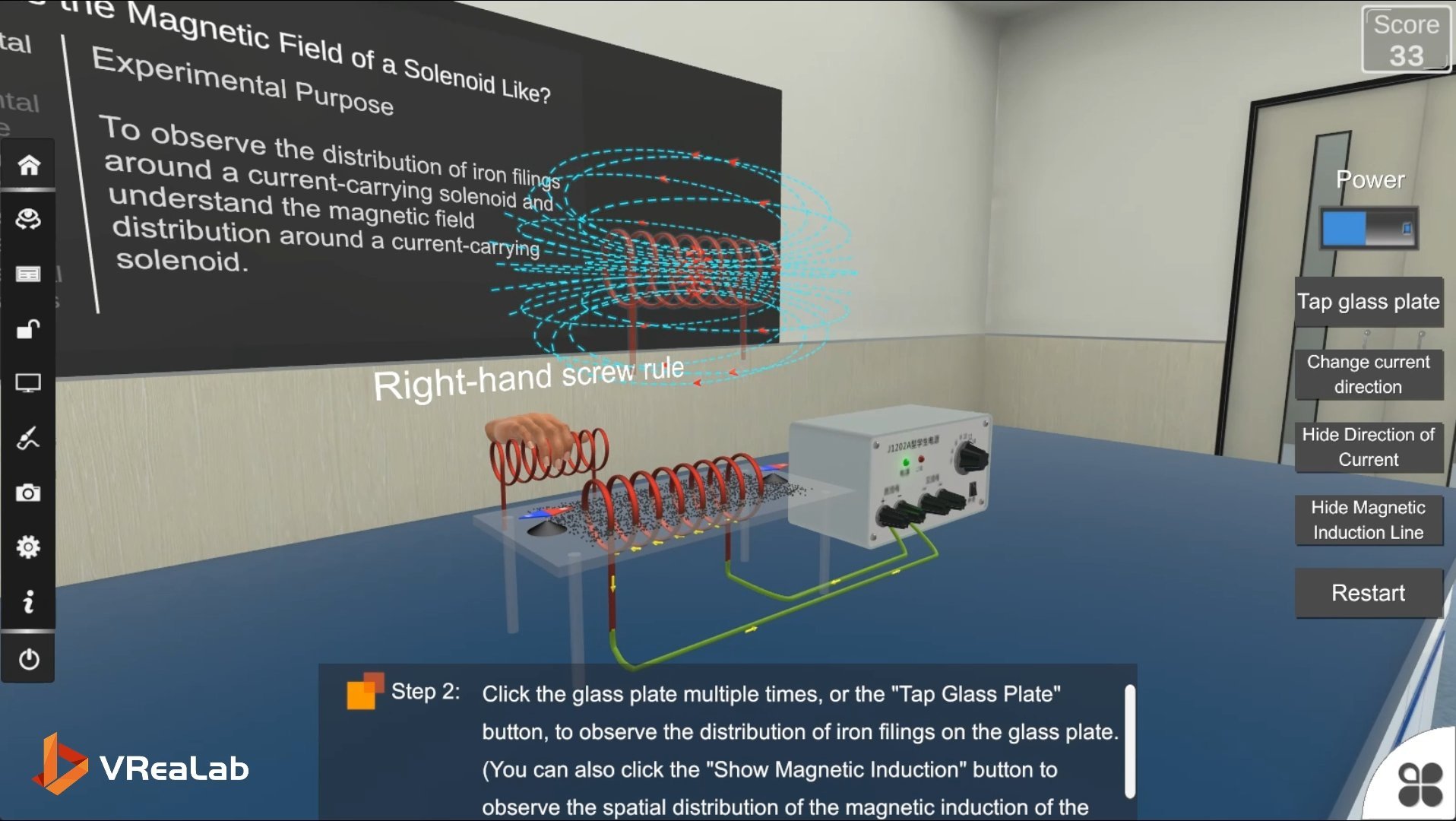
Figure 3. Magnetic field of a solenoid: iron filings on the glass plate and switchable 3D induction lines reveal the field structure around the coil.
A second module extends the idea to permanent magnets. Students simulate magnetic field lines with iron filings between two bar magnets, change the direction of a magnet, tap the glass again, and compare the two patterns. Because each trial takes seconds, students test one variable at a time and build the rules of magnetic fields from their own evidence. These are the kinds of interactive science experiments that a physical classroom can demonstrate only once, but a virtual one can replay without limit.
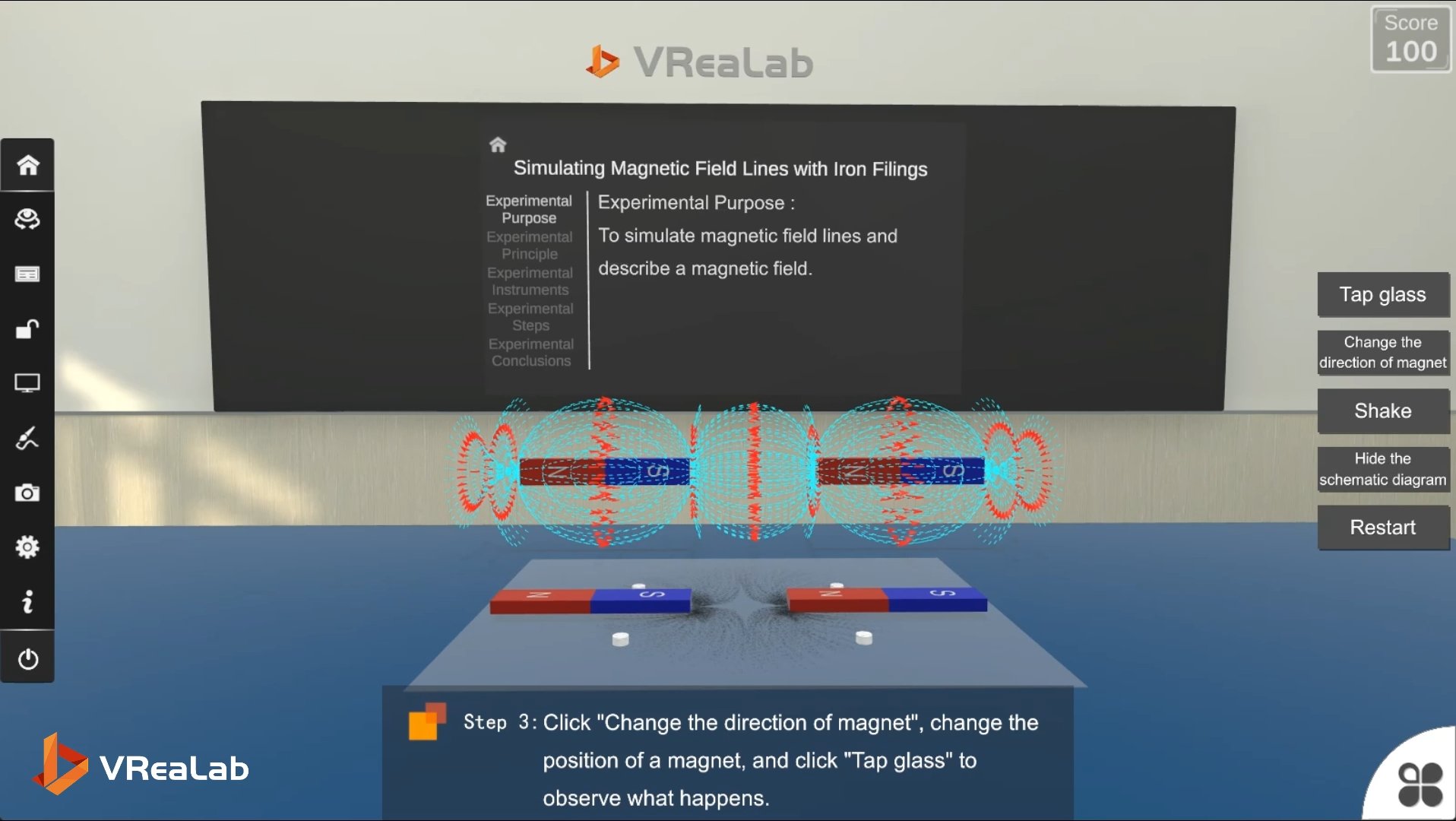
Figure 4. Simulating magnetic field lines with iron filings: changing the direction of one magnet redraws the entire field pattern instantly.
Biology: Structures No Scalpel Should Open in Class
Biology adds a third kind of invisibility: structures hidden inside organisms. The bird module lets students observe the morphological features of a pigeon, then peel back layers to study the skeleton and the internal organs in turn. Dissection without dissection means no specimens, no ethical concerns, and no students left staring at the ceiling. Every student becomes the one holding the specimen, which is the quiet promise of a well-designed Virtual Lab.
One Device, Three Subjects, One Habit of Mind
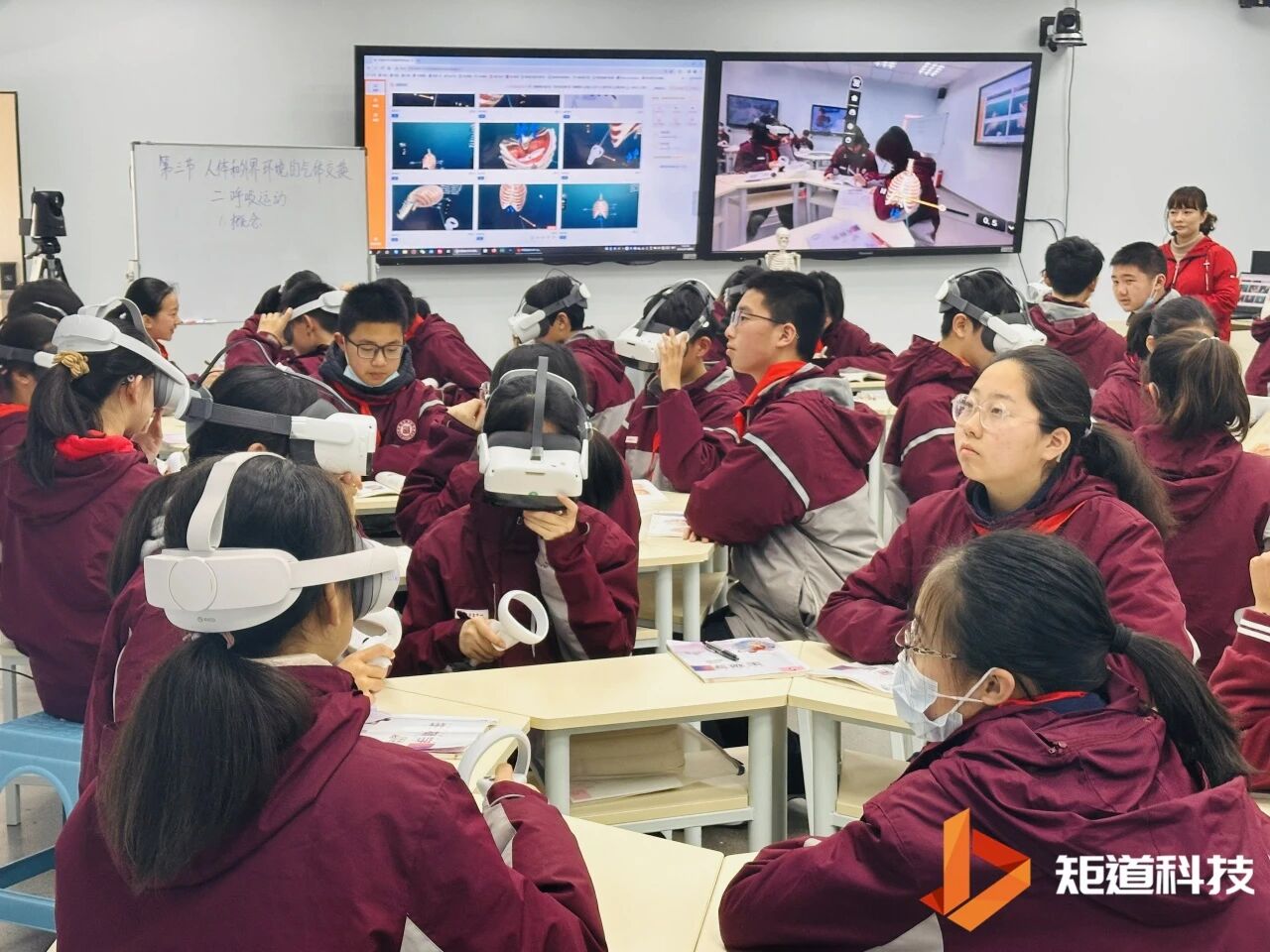
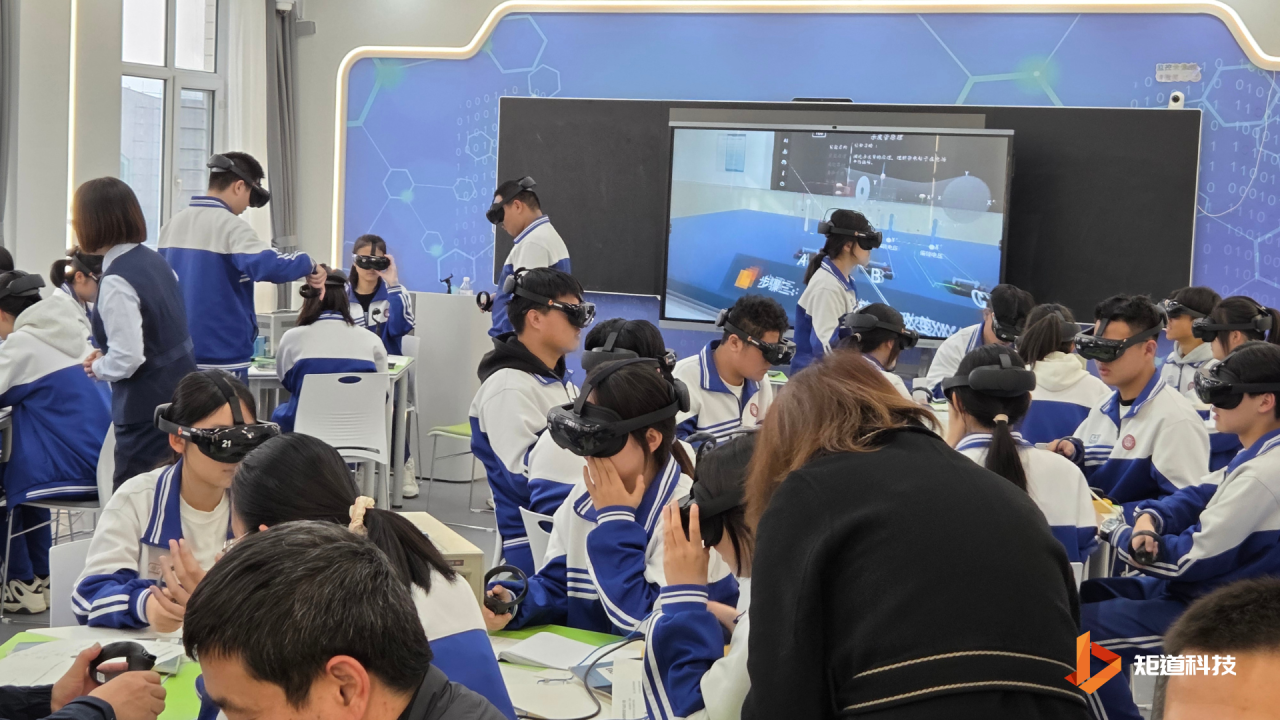
What makes these modules more than a collection of demos is the way each one protects the logic of an experiment. Students still follow a stated purpose, still perform a procedure step by step, and still read real measurements from a data panel. The difference is that the observation is no longer reserved for the front row or the quickest pair of hands. When visualization is built into interactive science experiments in this way, students stop asking what the diagram means and start asking what would happen if the variable changed, which is the question science education exists to provoke.
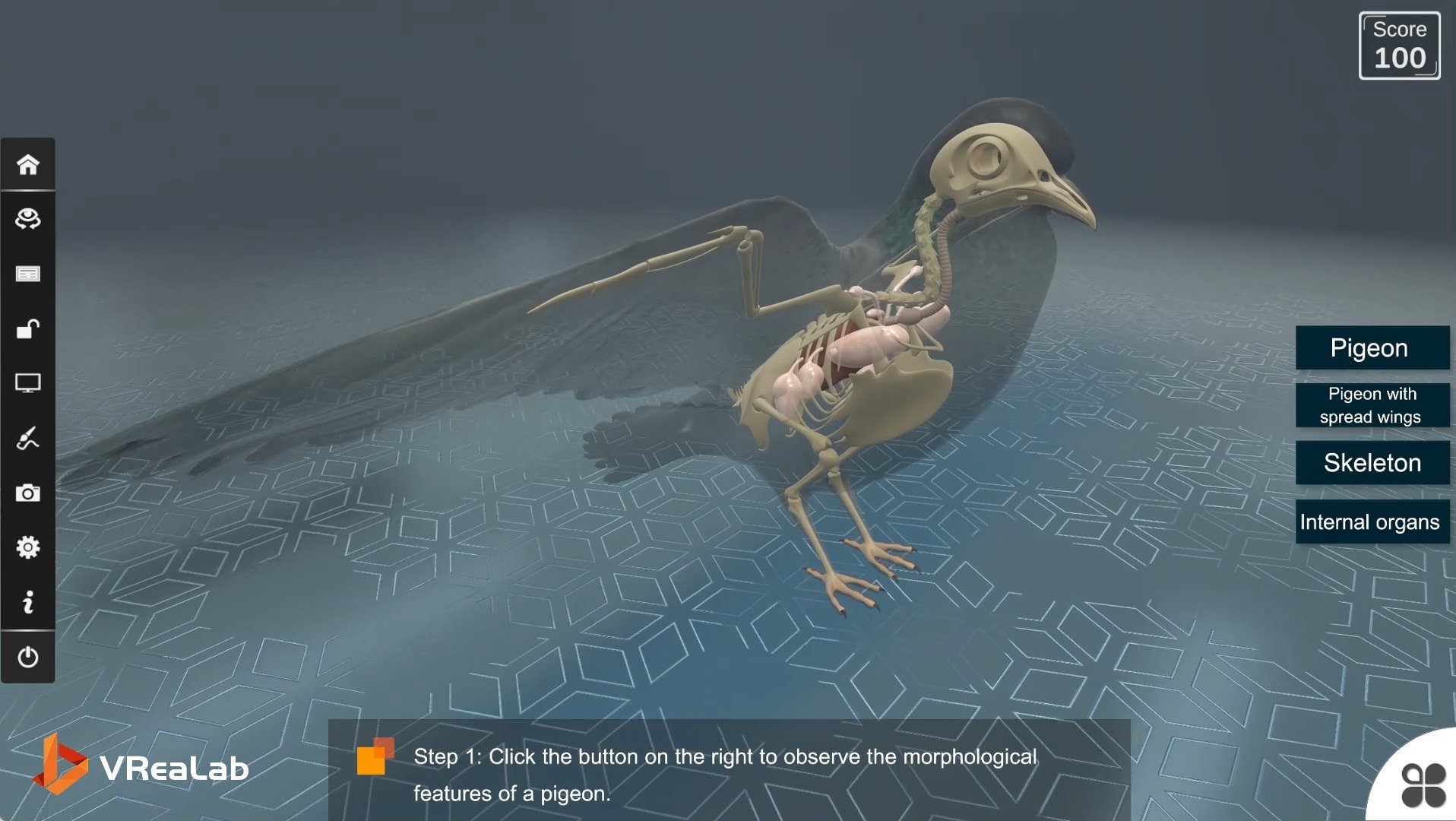
Figure 5. Observing a pigeon in VR: students switch between the whole bird, the skeleton, and the internal organs with one click.
Conclusion
Across three subjects, the pattern is the same. Chemistry goes microscopic, physics makes fields and forces visible, and biology opens up structures without harm. By converting the invisible into the observable, the Middle School Physics, Chemistry & Biology VR Learning Device turns comprehension into a first-hand experience rather than an act of faith in the textbook.