How VR Technology Solves Real Teaching Challenges in Middle School Human Physiology
Human physiology is the part of middle school biology that students find most fascinating and teachers find most difficult. VR technology built for middle school biology addresses these long-standing difficulties one by one.
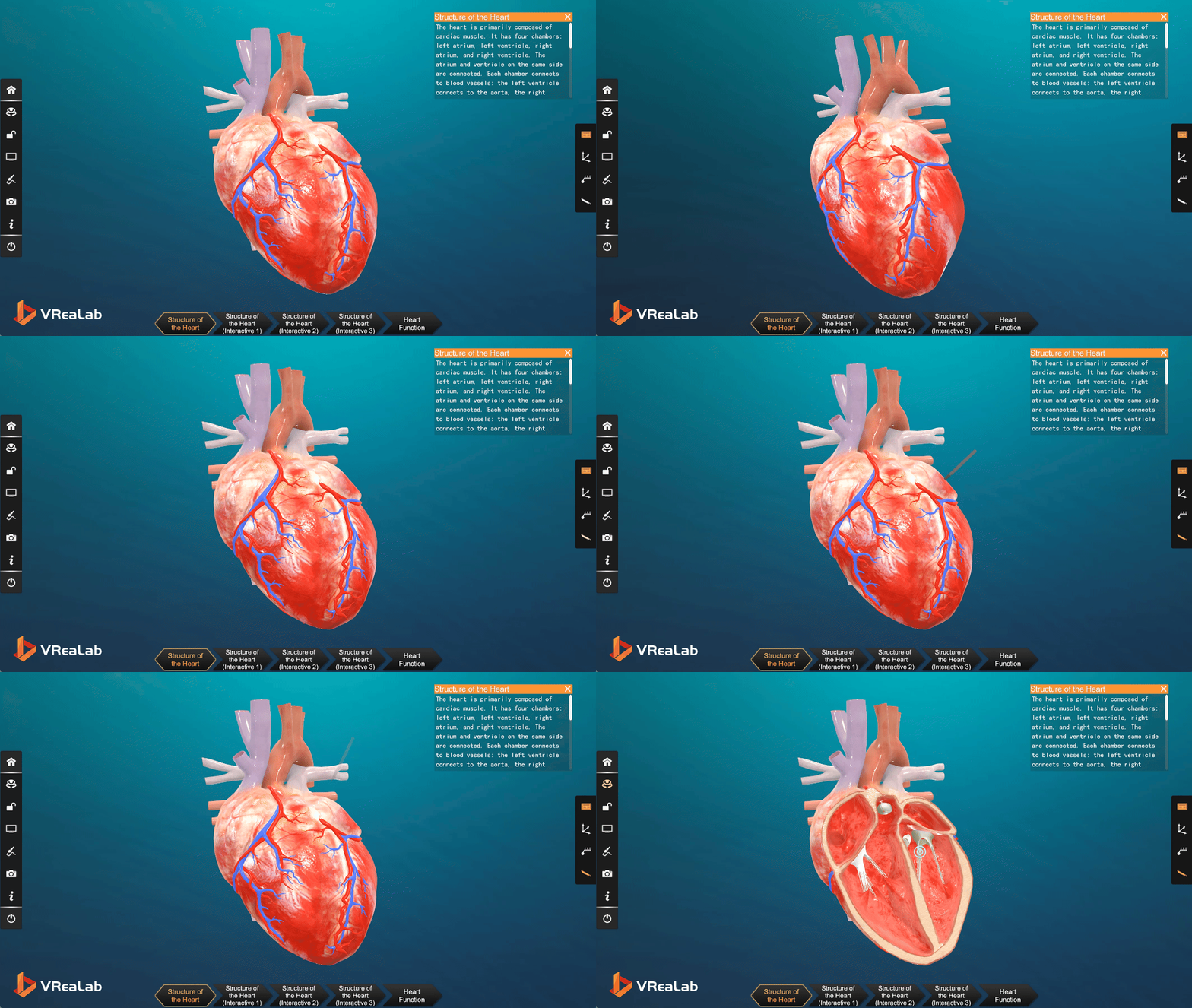
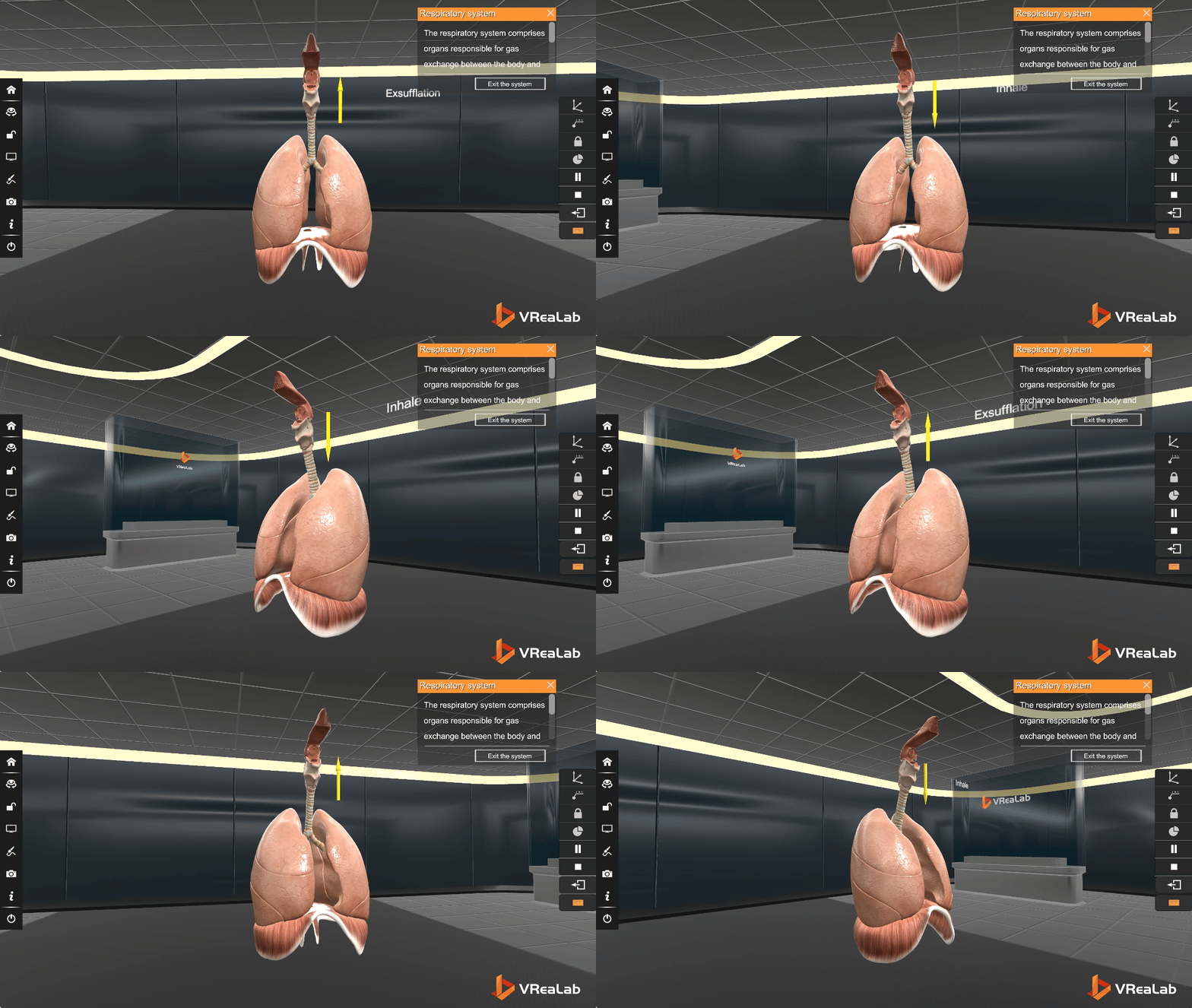
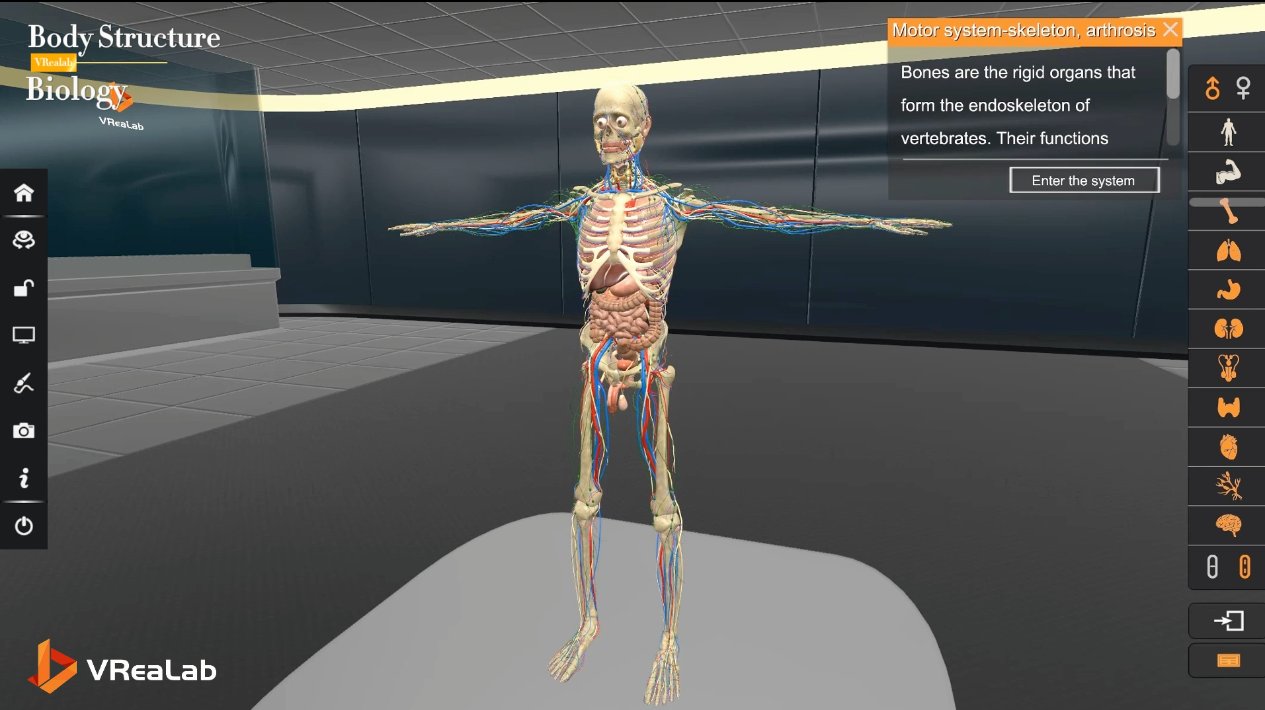
Human physiology is the part of middle school biology that students find most fascinating and teachers find most difficult. Every student lives inside the subject: their heart beats, their kidneys filter, their eyes adjust focus a thousand times a day. Yet precisely because everything happens inside the body, none of it can be shown directly in a classroom. Organs are hidden, processes are microscopic, and a single lesson cannot pause, rewind, or replay what occurs inside a living person. Even the best plastic skeleton stops at structure; a true 3d anatomy of the human body must also show how the body works. Textbook diagrams freeze dynamic processes into static pictures, and models show form but never function. VR technology built for middle school biology addresses these long-standing difficulties one by one, and the VReaLab Biology Body Function course shows how.
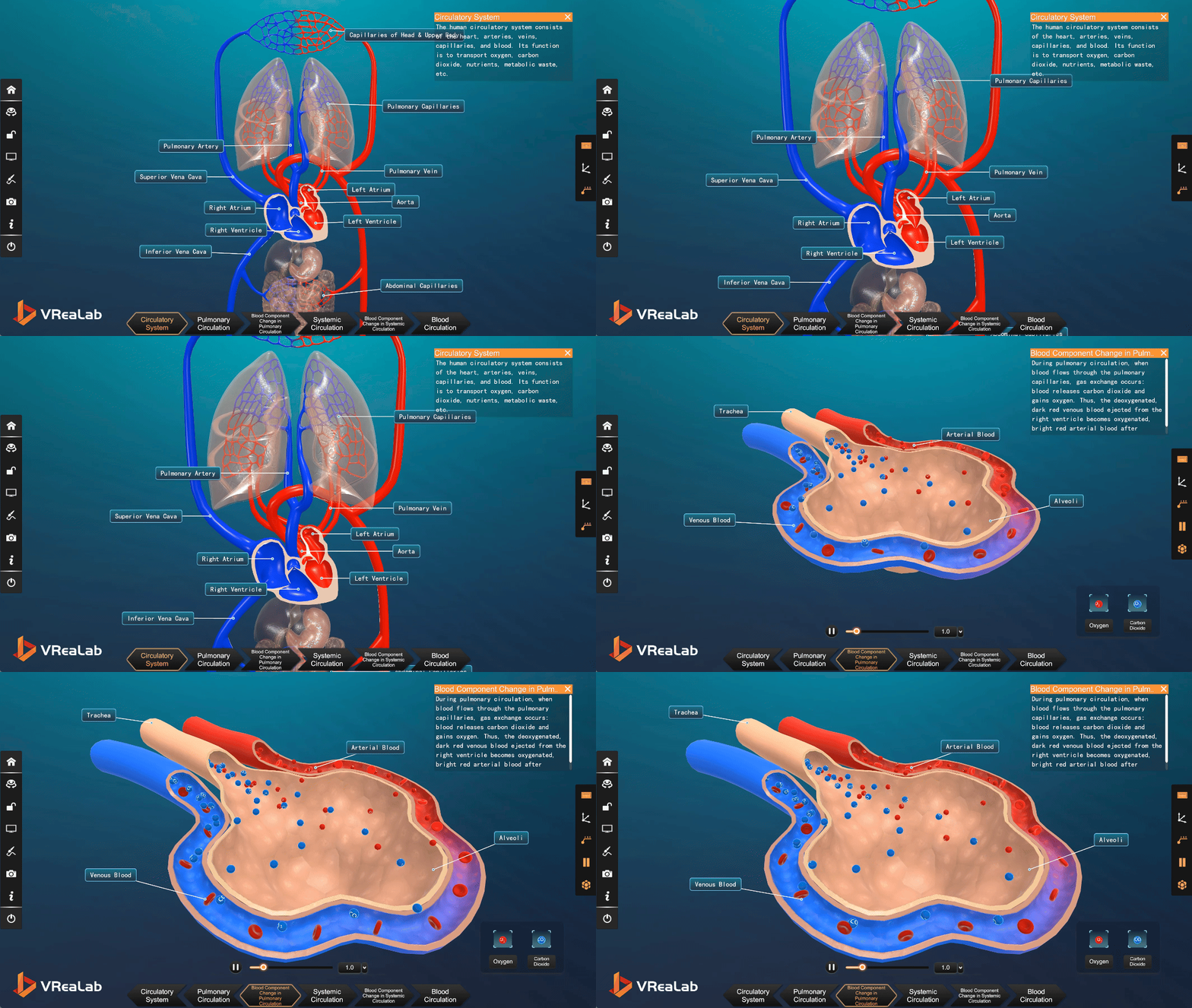
Difficulty 1: Physiological Processes Are Invisible
The core problem with physiology teaching is that it deals with processes, not pictures. A textbook can print the outline of a kidney, but it cannot show filtrate flowing through a nephron. In the traditional classroom, urine formation is taught as a memorized sequence, and many students recite the stages without ever understanding what is physically happening. The result is familiar to every teacher: correct keywords on the exam paper, but no mental picture behind them. In the Formation of Urine module, students descend into the structural basis of the kidney and watch filtration and reabsorption in real time from the perspective of the nephron. What was once a static diagram becomes a running process that can be paused, replayed, and examined from any angle. This is the practical meaning of a Human Body Systems 3D Model: it lets students move freely between the organ scale and the microscopic scale, so the link from structure to function is seen rather than told.
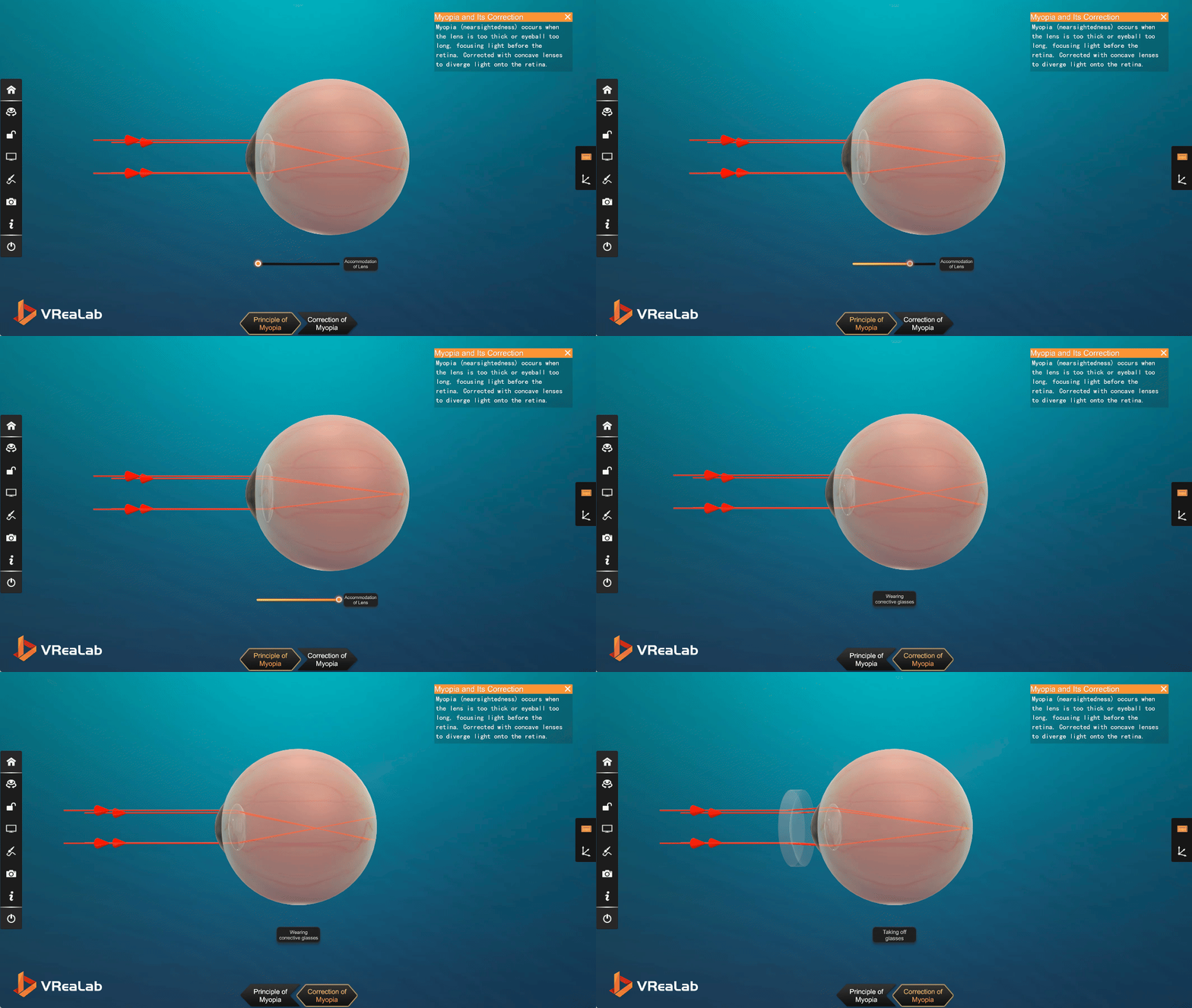
Difficulty 2: Health Education Cannot Be Practiced on Real Bodies
The physiology unit also carries a health mission, and this is where traditional teaching is weakest. Teachers can describe myopia, but they cannot let students blur and restore their own vision on demand, and they certainly cannot practice optical correction on a living eye. Abstract warnings about eye protection rarely change behavior, because students never see the mechanism they are protecting. The Myopia and Its Correction module solves this by letting students investigate why distance vision blurs and then test correction methods inside the model. The same logic extends to first-aid skills such as bleeding control and bandaging, which students practice in immersive scenarios instead of only hearing about them. Health awareness stops being a slogan and becomes something students have actually done.
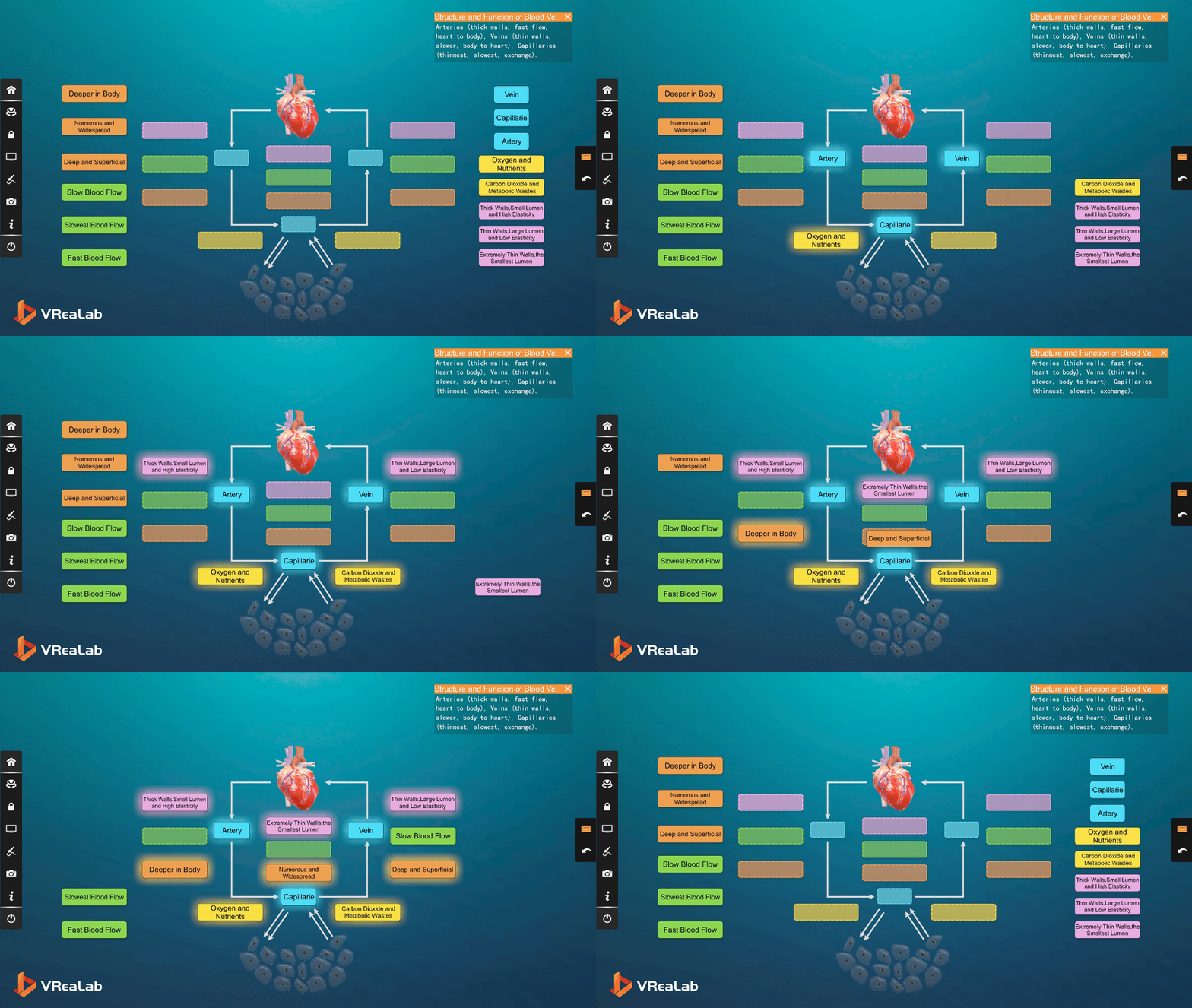
Difficulty 3: Assessment Rarely Tests Real Understanding
Paper quizzes check whether students remember terms, but they rarely reveal whether students understand mechanisms. The VR-based visualized interactive assessment changes this. In the Structure and Function of Blood Vessels module, students complete interactive exercises directly on the three-dimensional model and receive instant feedback. Wrong answers point back to the structure itself, so assessment turns into another round of biology interactive learning rather than a verdict. Teachers can repeat the practice, integrate it with the lesson, and see in real time which concepts the class has truly mastered.
What Changes in the Classroom
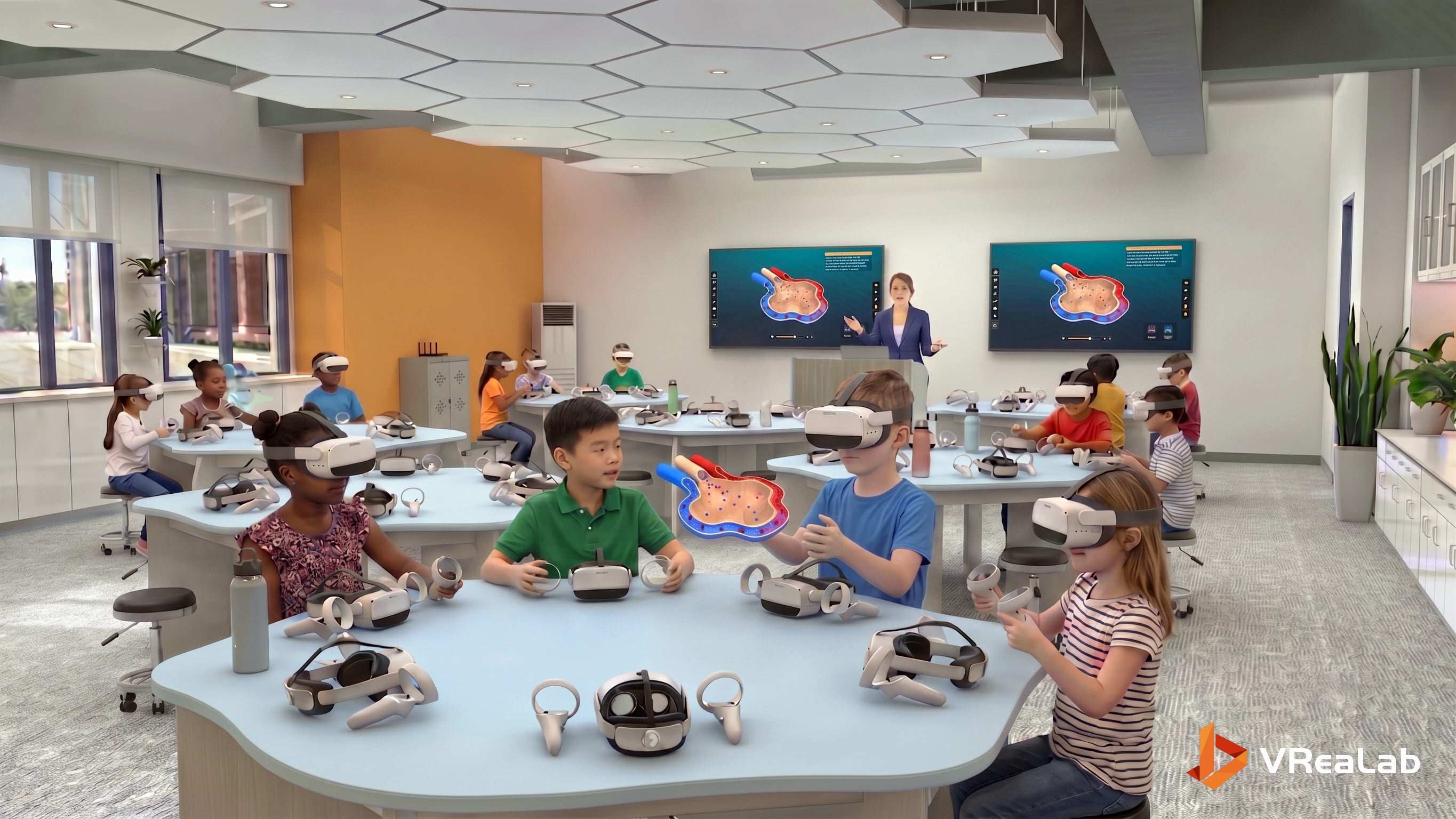
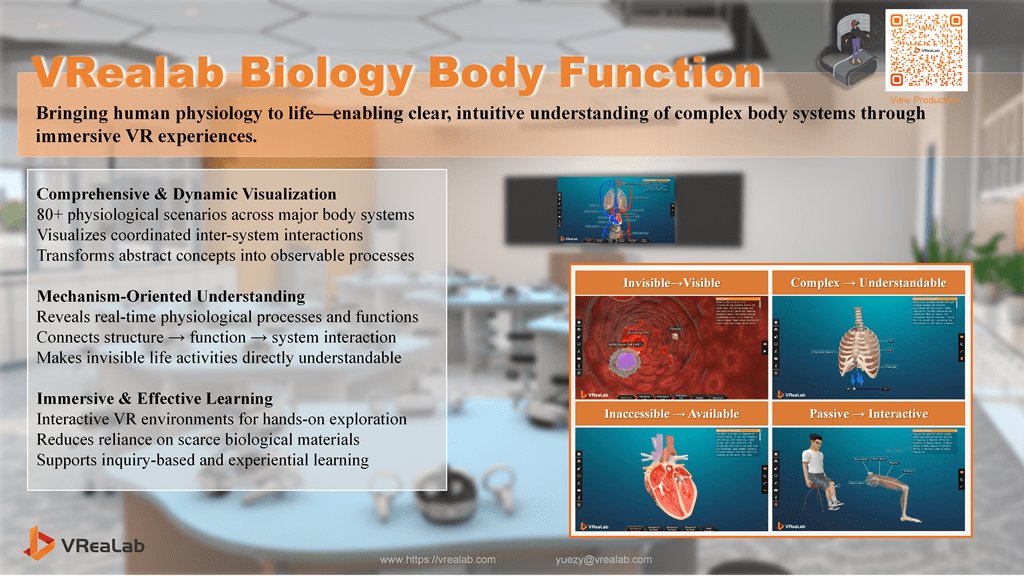
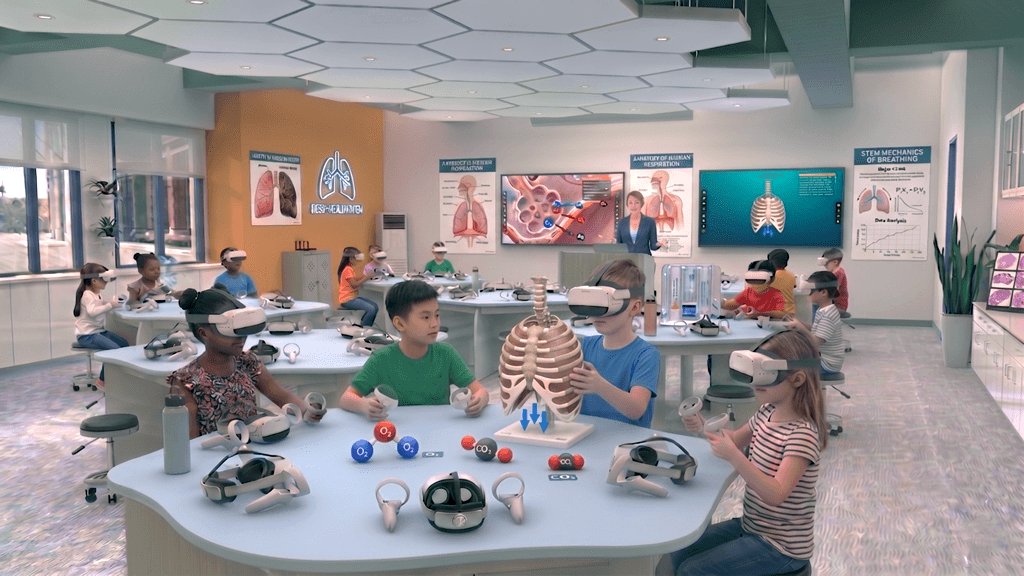
Once VR headsets reach the desks, the rhythm of a physiology lesson changes completely. Teachers no longer spend half the class describing what students cannot see; they guide students who are already inside the model. The immersive environment supports inquiry-based and experiential learning, reduces reliance on scarce biological materials, and keeps every student in a front-row seat. Lessons built around a detailed 3d anatomy of the human body change the nature of classroom talk as well: students discuss specific structures they are looking at, ask grounded questions, and explain mechanisms in their own words instead of copying definitions from the board. This is biology interactive learning as a daily routine, not an occasional demonstration.
Conclusion: From Invisible to Understandable
The teaching difficulties of human physiology are old and well known: processes are invisible, practice is impossible, and assessment is shallow. VR answers each one directly. It makes the invisible visible through dynamic simulation, it turns health topics into safe hands-on practice, and it converts key concepts into interactive assessment with real-time feedback. Built on a complete Human Body Systems 3D Model and powered by biology interactive learning, this approach does not replace the biology teacher; it finally gives the teacher a classroom where the human body can be opened, explored, and understood.
Source: Word document uploaded by user