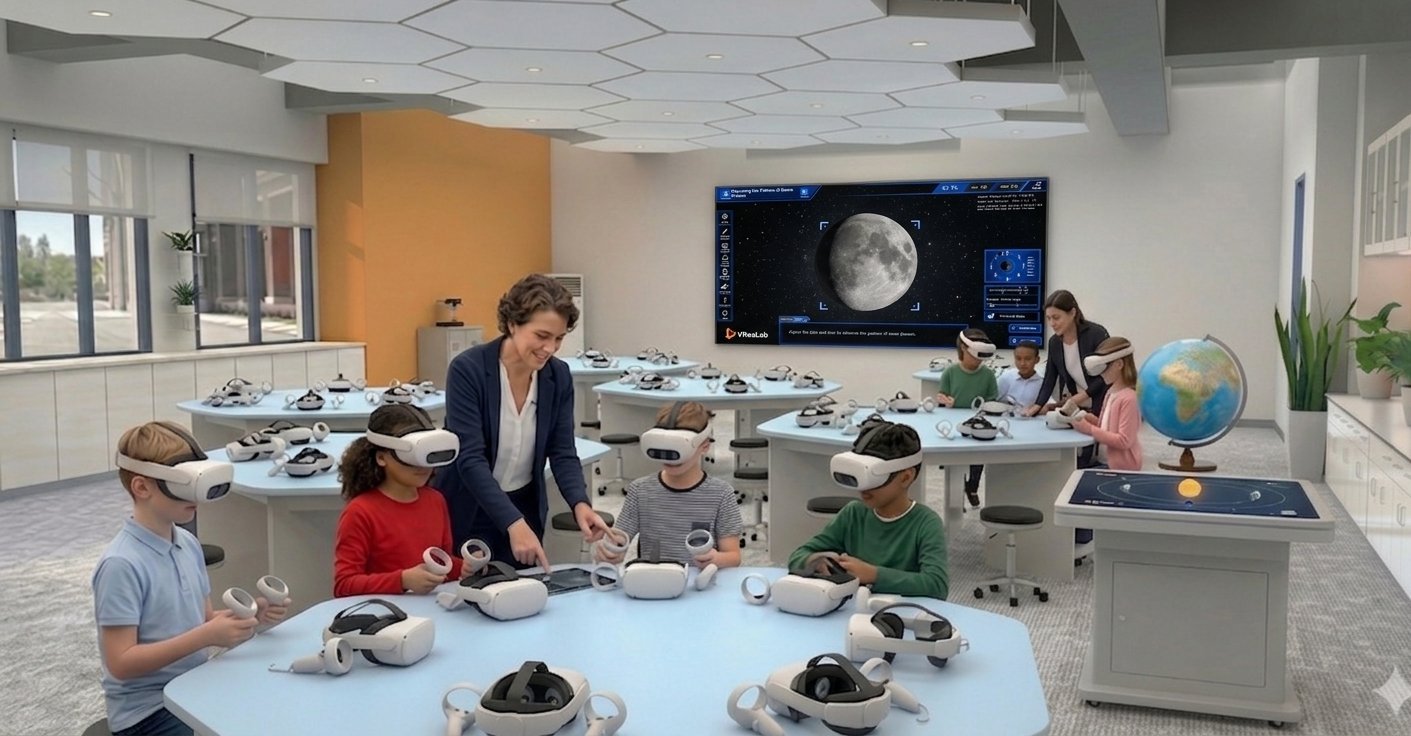
Primary School Science Lab Software — The Movement of the Human Body: Virtual Simulation & Visualized Teaching Design
Play a video of students jumping rope, running, and shooting basketballs, then ask: "Our bodies can make so many agile movements — what is it that allows our bones to move so freely?" Guide students to touch their own shoulder joints and knee joints to feel the presence of joints, and introduce the lesson topi
(I) Context Introduction
Play a video of students jumping rope, running, and shooting basketballs, then ask: "Our bodies can make so many agile movements — what is it that allows our bones to move so freely?" Guide students to touch their own shoulder joints and knee joints to feel the presence of joints, and introduce the lesson topic.
(II) Virtual Simulation Exploration

Session 1: Observing Joint Structure
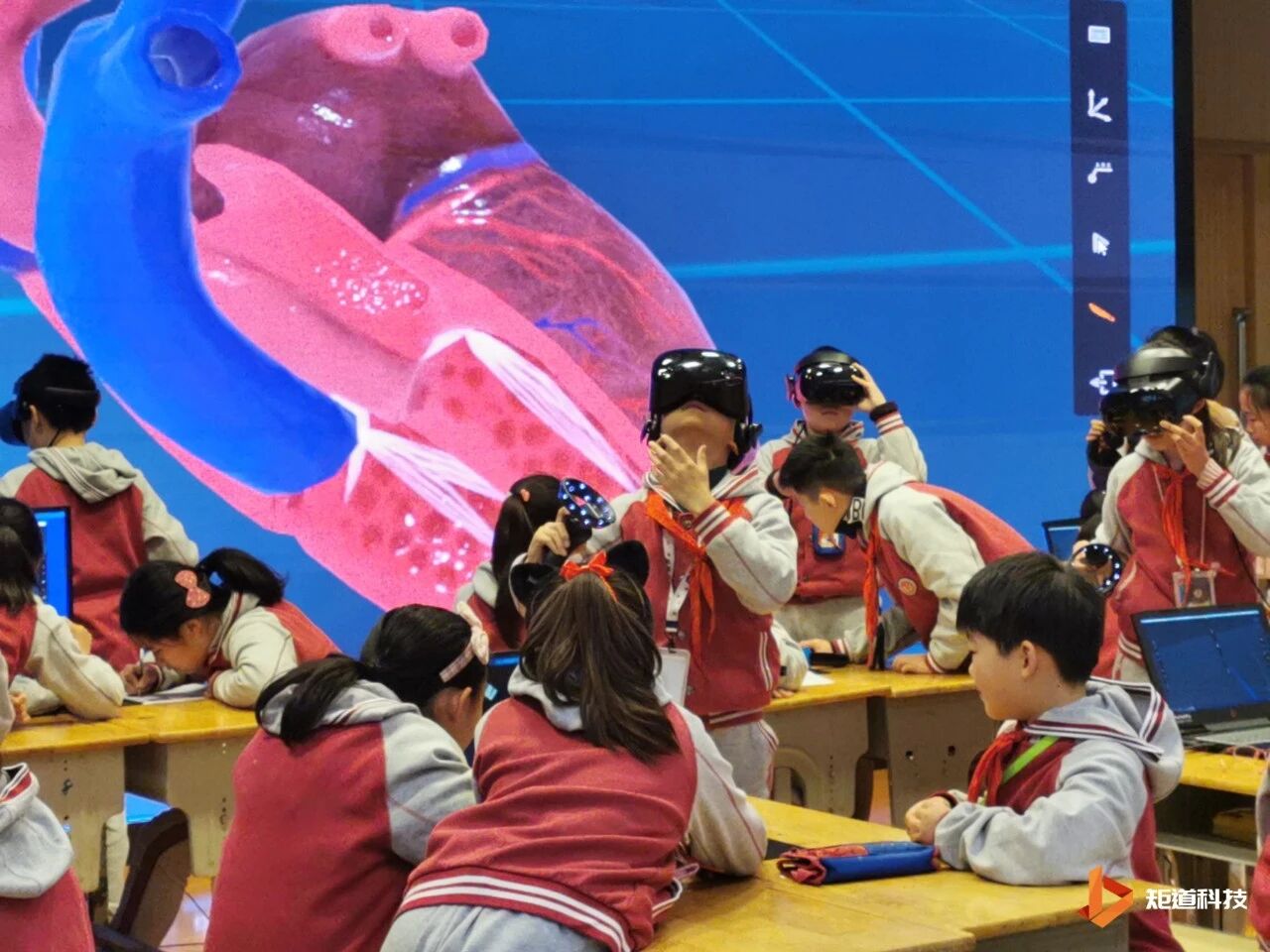
- Students enter the JuDao Virtual Laboratory, retrieve a 3D human skeleton model, and focus on the shoulder joint, knee joint, ankle joint, and others, observing how joints connect internally.
- Use virtual experiments to observe joint shapes and compare structural differences between joints (e.g., the shoulder joint is ball-shaped, while the knee joint is pulley-shaped).
Session 2: Simulating Joint Movement
- Interactive Operation: Students drag virtual bones to simulate shoulder joint rotation, knee joint flexion and extension, and ankle joint inversion/eversion, observing the direction and range of movement for different joints.
- Group Experiment: Set up a "restricted joint movement" scenario on the virtual lab platform (e.g., fixing the ligaments) to observe movement changes and understand the protective role of ligaments on joints.
Session 3: Exploring the Coordination of Bones, Joints, and Muscles
Watch the dynamic process of muscles contracting to pull bones and rotate joints, gaining an intuitive understanding of how the three components work together.
(III) Summary of Principles & Real-Life Applications
The teacher, drawing on virtual experiment findings, summarizes: Joints are the connection points between bones. Joints with different structures determine different types of movement. Bones, joints, and muscles work together to complete human body motion.
Group discussion: "Why do we need to warm up before exercise? Which movements are most likely to injure joints?" Exchange methods for protecting joints by incorporating joint-protection knowledge from the virtual platform.
(IV) Class Wrap-Up
Review the structure and function of joints, and emphasize that virtual simulation has allowed us to "see" the mysteries of movement inside our bodies.